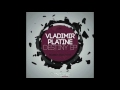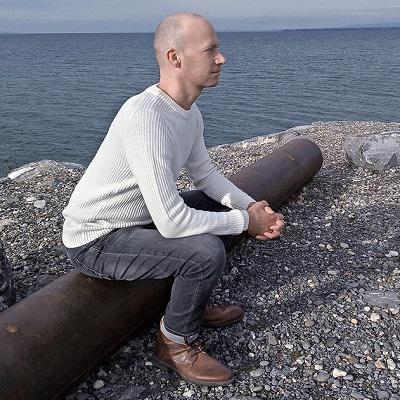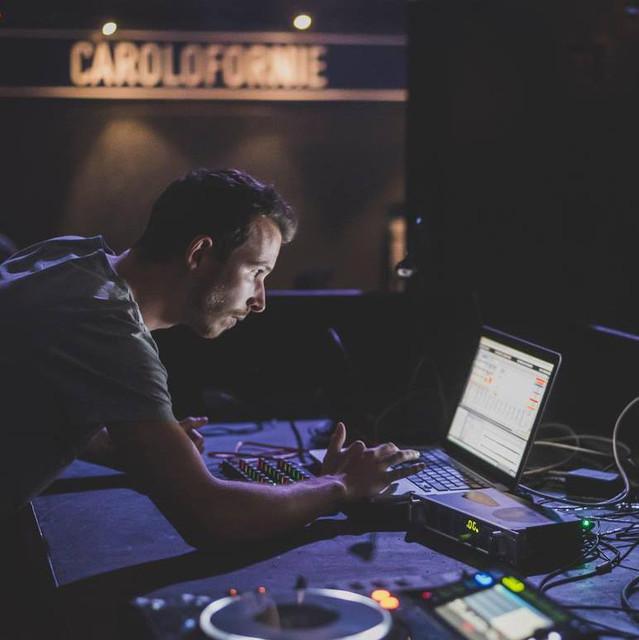
Vladimir Platine

Electronic
Techno
Melodic Techno
 Viberate Rank: 576671
 Viberate Rank: 576671
 Monthly ListenersFollowers
 Subscribers
 Followers
 Followers
 FansTop Spotify Songs
| Track | 7-Day Streams | |
|---|---|---|
1 | 61 | |
2 | 35 | |
3 | 30 | |
4 | 19 | |
5 | 17 |
Top YouTube VideosMonthly ListenersFeatured in Playlists| Playlist | Followers | |
|---|---|---|
1 |  Dark progressive House/Techno CJ | 4.17K |
2 | Chill: Melodic techno/Deep house/Classical techno/Tech house Chris Heerema | 2.18K |
3 | Lectura, Estudio y Concentración Orlando Cardozo | 1.86K |
4 |  Progressive/Deep House Ivan Herrera | 1.86K |
5 | Best LSD playlist brumhartt | 1.09K |
Audience| City | Monthly Listeners | |
|---|---|---|
1 |  | 10 |
2 |  | 7 |
3 |  | 6 |
4 |  | 6 |
5 | | 6 |
See full performance history, audience data, playlist activity, rankings, comparisons, and more in Viberate music analytics. Start with a free trial, then continue with a paid plan.
Vladimir Platine’s Spotify BioBio english:
Vladimir Platine, one word to summarize his life: MUSIC! Inspired by everything he has listened to since his childhood.
Started to play the djembe when he was 11 years old and went on with four years of drums and piano. As far as he can remember, Vladimir has always been a composer. In 2007, he discovered MAO music, a revelation to him. He was finally able to put all the ideas and rhythmic influences that haunted his nights into music.
With already four EP, one single, one vinyl with on Rockerill Records and some remixes.
He played with artists such as Carl Craig, Dominik Eulberg, Derrick May, N'to, Joris Delacrois, Arnaud Rebotini, Popof, Romulus, Teho...
At 34 years old he still promises many beautiful things!
Bio french:
Vladimir Platine, la musique c'est sa vie. Inspiré par tout ce qu'il a pu écouter depuis son enfance.
Il commence a jouer du djembé dès l'âge de 11 ans, suivi d'une formation de 4 années de piano et de batterie. Aussi loin qu'il s'en souvienne Vladimir à… toujours créé. En 2007, il découvre la MAO, ça a été une révélation, il a enfin pu mettre en musique toutes les idées et influences rythmiques qui hantaient ses nuits!
Avec déjà 4 EP, un single, un vinyle sur Rockerill Records et quelques remixes à son actif.
Il a joué au coté d'artistes tel que Carl Craig, Dominik Eulberg, Derrick May, N'to, Joris Delacrois, Arnaud Rebotini, Popof, Romulus, Teho, etc.
À 34 ans, il nous promet encore beaucoup de belles choses!
Viberate is a music analytics platform built for A&Rs, artist managers, labels, booking agents, marketers, and artists.
It helps music professionals track artist growth, analyze audience data, monitor playlist activity, compare artists, follow song performance, and identify opportunities across the music market.
Public artist pages provide a free preview of selected artist data. Paid plans provide access to deeper analytics, historical data, charts, comparisons, playlist tools, exports, alerts, reports, and additional professional features.
Yes. Public Viberate artist pages provide selected artist analytics and music data for free.
Viberate also offers a 7-day free trial of the full platform. A credit card is required to start the trial. The trial includes access to the complete product so users can test deeper artist analytics, historical views, playlist insights, comparisons, charts, exports, alerts, and reporting features before choosing a paid plan.
Viberate provides artist analytics across streaming, playlists, social media, video, radio airplay, songs, and audience markets.
Users can analyze Spotify performance, Spotify and Apple Music playlists, YouTube activity, TikTok and Instagram growth, radio spins, song performance, audience locations, demographics, rankings, and overall artist momentum.
Artist profiles also connect to music charts, similar artists, and comparison tools, helping users benchmark performance and evaluate artists in context.
Viberate updates key artist and track data daily.
For followed artists and tracks, selected data is refreshed multiple times per day. This helps teams monitor playlist changes, streaming movement, audience growth, releases, and campaign performance with more current data.
Update frequency can vary depending on the metric and data source.
Yes. Viberate lets users compare up to five artists side by side across streaming, social media, audience, and engagement metrics.
Users can compare fanbase growth, audience demographics, locations, Spotify performance, social metrics, and other artist data over selected time periods.
Artist comparison can be used for A&R scouting, benchmarking, booking decisions, campaign planning, and evaluating artists with similar audiences or market positions.