Violent Ground

Hip Hop
Contemporary Hip Hop
Alternative Hip Hop
 Viberate Rank: 483235
 Viberate Rank: 483235
 Monthly ListenersFollowers
 Subscribers
 Followers
 Followers
 FansTop Spotify Songs
| Track | 7-Day Streams | |
|---|---|---|
1 | 427 | |
2 | 119 | |
3 | 66 | |
4 | 33 | |
5 | 22 |
Top YouTube VideosMonthly ListenersFeatured in Playlists| Playlist | Followers | |
|---|---|---|
1 |  A New Generation of Native American Music Angela | 2.75K |
2 | Native Rappers 💯👊🏼 Aurelio Ortiz | 2.29K |
3 |  Political and Protest Songs Dylan Parsons | 2.22K |
4 |  FEQ 2024 BLEUFEU | 1.25K |
5 | Native American Rap Nolani | 1.03K |
Audience| City | Monthly Listeners | |
|---|---|---|
1 | | 27 |
2 | | 12 |
3 | | 9 |
4 | | 5 |
5 |  | 4 |
See full performance history, audience data, playlist activity, rankings, comparisons, and more in Viberate music analytics. Start with a free trial, then continue with a paid plan.
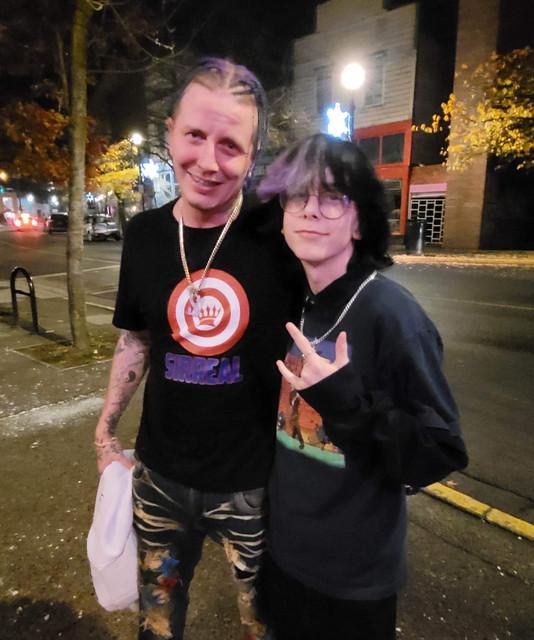
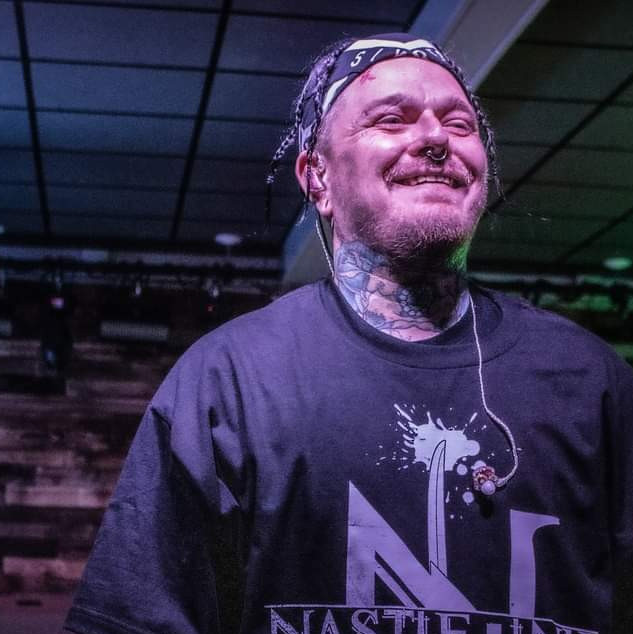
Violent Ground’s Spotify BioViolent Ground is Allan and Christian Nabinacaboo, brothers from the Naskapi Nation of Kawawachikamach in Northeastern Quebec, inspired by artists like Tech N9ne, Bone Thugs N Harmony, Linkin Park. “Our name is inspired by the history of the land we live on and the issues Indigenous people face: drug addiction, alcoholism, mental health issues, racism, abuse, and violence,” explains Chris.
Violent Ground’s first studio album, Difference (2019) was self-produced. “The album is a reflection of the trials and tribulations we’ve endured,” says Allan. “It features our trademark flow and flare, but with even more melodic vocals and powerful messages about the mistreatment of natives and land, bullying, racism, and the struggles of daily life.” Difference was nominated for Hip-Hop Album of the Year at the first International Indigenous Hip-Hop Awards (2021) and was a four-time nominee and three-time award winner for Expression in Modern Art, Best Emerging Artist, and Best Album of the Year at… the Gala de Musique Autochtone Teweikan in Quebec (2019).
In 2020, Violent Ground hosted a workshop in their home community for the youth focusing on song writing and production. They have been featured in articles by The Guardian (2021), SAY Magazine (2019) and The Nation (2019) CBC Radio North. The duo’s self-titled debut release (2014) was produced by legendary Grammy-award winning engineer/producer, David Strickland (Drake, Method Man).
Viberate is a music analytics platform built for A&Rs, artist managers, labels, booking agents, marketers, and artists.
It helps music professionals track artist growth, analyze audience data, monitor playlist activity, compare artists, follow song performance, and identify opportunities across the music market.
Public artist pages provide a free preview of selected artist data. Paid plans provide access to deeper analytics, historical data, charts, comparisons, playlist tools, exports, alerts, reports, and additional professional features.
Yes. Public Viberate artist pages provide selected artist analytics and music data for free.
Viberate also offers a 7-day free trial of the full platform. A credit card is required to start the trial. The trial includes access to the complete product so users can test deeper artist analytics, historical views, playlist insights, comparisons, charts, exports, alerts, and reporting features before choosing a paid plan.
Viberate provides artist analytics across streaming, playlists, social media, video, radio airplay, songs, and audience markets.
Users can analyze Spotify performance, Spotify and Apple Music playlists, YouTube activity, TikTok and Instagram growth, radio spins, song performance, audience locations, demographics, rankings, and overall artist momentum.
Artist profiles also connect to music charts, similar artists, and comparison tools, helping users benchmark performance and evaluate artists in context.
Viberate updates key artist and track data daily.
For followed artists and tracks, selected data is refreshed multiple times per day. This helps teams monitor playlist changes, streaming movement, audience growth, releases, and campaign performance with more current data.
Update frequency can vary depending on the metric and data source.
Yes. Viberate lets users compare up to five artists side by side across streaming, social media, audience, and engagement metrics.
Users can compare fanbase growth, audience demographics, locations, Spotify performance, social metrics, and other artist data over selected time periods.
Artist comparison can be used for A&R scouting, benchmarking, booking decisions, campaign planning, and evaluating artists with similar audiences or market positions.