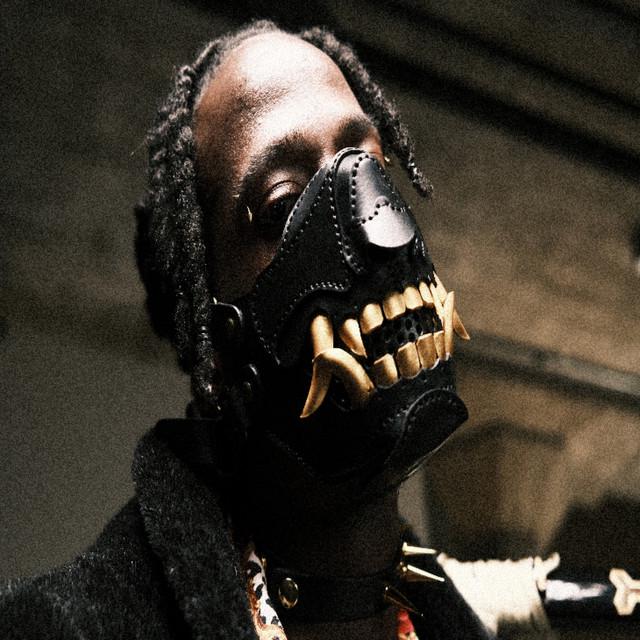
Viktor Lu

Hip Hop
Contemporary Hip Hop
Alternative Hip Hop
 Viberate Rank: 493290
 Viberate Rank: 493290
 Monthly ListenersFollowers
 Subscribers
 Followers
 Followers
 FansTop Spotify Songs
| Track | 7-Day Streams | |
|---|---|---|
1 | 295 | |
2 | 53 | |
3 | 28 | |
4 | 27 | |
5 | 17 |
Top YouTube VideosMonthly ListenersFeatured in Playlists| Playlist | Followers | |
|---|---|---|
1 |  Splash.mp3 - Official playlist splash.mp3 | 21.39K |
2 |  Best of Rap US Verseau Music Group | 5.03K |
3 |  SCREAM RAP THAT GOES INSANE parker🔮 | 3.34K |
4 |  Dark Trap / Emo Rap Sb | 2.83K |
5 |  SMASH PRs ⛓🔱 trey_barnes111 | 1.75K |
Audience| City | Monthly Listeners | |
|---|---|---|
1 | | 17 |
2 | | 14 |
3 | | 12 |
4 | | 12 |
5 | | 12 |
See full performance history, audience data, playlist activity, rankings, comparisons, and more in Viberate music analytics. Start with a free trial, then continue with a paid plan.
Viktor Lu’s Spotify BioViktor Lu, born in Liberia and raised in the Bay Area, began his musical journey at 15, blending his diverse influences into a unique fusion of rap and metal. After immigrating to the U.S. at age 6, Viktor channeled his experiences into music, resulting in the breakout single "Instinct," which gained millions of views across platforms, marking him as a rising force in the underground scene.
Early in his career, Viktor was part of the rap collective "Almost Club," which shaped his creative path before the group eventually disbanded. Throughout his journey, he has collaborated closely with his longtime producer IVLeFleur, refining a signature sound that merges the aggression of rap with the raw power of metal. Known as a pioneer of the rap/metal hybrid in the Bay Area, Viktor's style continues to evolve, capturing the attention of both rap and metal audiences.
Viktor has released two solo EPs, "Exodia" and "Fear of the Dark," showcasing his talent for combining hard-hitting lyrics with… intense instrumentation. His passion for the rap/metal fusion led him to co-found the band Hell Hounds, where his creative vision has fully blossomed. With Hell Hounds, Viktor has released two EPs, "Common Enemies" and "Hella Carnage," taking their sound to new heights and solidifying their place in the scene.
Viktor Lu’s music is a reflection of his journey—a unique fusion of genres that captivates audiences and positions him as a trailblazer in the evolving worlds of rap and metal.
Viberate is a music analytics platform built for A&Rs, artist managers, labels, booking agents, marketers, and artists.
It helps music professionals track artist growth, analyze audience data, monitor playlist activity, compare artists, follow song performance, and identify opportunities across the music market.
Public artist pages provide a free preview of selected artist data. Paid plans provide access to deeper analytics, historical data, charts, comparisons, playlist tools, exports, alerts, reports, and additional professional features.
Yes. Public Viberate artist pages provide selected artist analytics and music data for free.
Viberate also offers a 7-day free trial of the full platform. A credit card is required to start the trial. The trial includes access to the complete product so users can test deeper artist analytics, historical views, playlist insights, comparisons, charts, exports, alerts, and reporting features before choosing a paid plan.
Viberate provides artist analytics across streaming, playlists, social media, video, radio airplay, songs, and audience markets.
Users can analyze Spotify performance, Spotify and Apple Music playlists, YouTube activity, TikTok and Instagram growth, radio spins, song performance, audience locations, demographics, rankings, and overall artist momentum.
Artist profiles also connect to music charts, similar artists, and comparison tools, helping users benchmark performance and evaluate artists in context.
Viberate updates key artist and track data daily.
For followed artists and tracks, selected data is refreshed multiple times per day. This helps teams monitor playlist changes, streaming movement, audience growth, releases, and campaign performance with more current data.
Update frequency can vary depending on the metric and data source.
Yes. Viberate lets users compare up to five artists side by side across streaming, social media, audience, and engagement metrics.
Users can compare fanbase growth, audience demographics, locations, Spotify performance, social metrics, and other artist data over selected time periods.
Artist comparison can be used for A&R scouting, benchmarking, booking decisions, campaign planning, and evaluating artists with similar audiences or market positions.