Viente

Rock
Alternative Rock
Indie Rock
 Viberate Rank: 515503
 Viberate Rank: 515503
 Monthly ListenersFollowers
 Subscribers
 Followers
 Followers
 FansTop Spotify Songs
| Track | 7-Day Streams | |
|---|---|---|
1 | 26 | |
2 | 4 | |
3 | 4 | |
4 | 4 | |
5 | 3 |
Top YouTube VideosMonthly ListenersFeatured in Playlists| Playlist | Followers | |
|---|---|---|
1 |  isa kang bored na opm lover na pa-cool kaya naghanap ka ng local lowkey underground artists sarah 𓅰 | 7.52K |
2 |  Tagalog OPM Indie songs that make me feel like I'm in a Pinoy Indie film isrl | 2.49K |
3 | Panda-skusta clee (2) lorrencepogi | 1.39K |
Audience| City | Monthly Listeners | |
|---|---|---|
1 | | 11 |
2 | | 6 |
3 | | 5 |
4 | | 4 |
5 | | 3 |
See full performance history, audience data, playlist activity, rankings, comparisons, and more in Viberate music analytics. Start with a free trial, then continue with a paid plan.
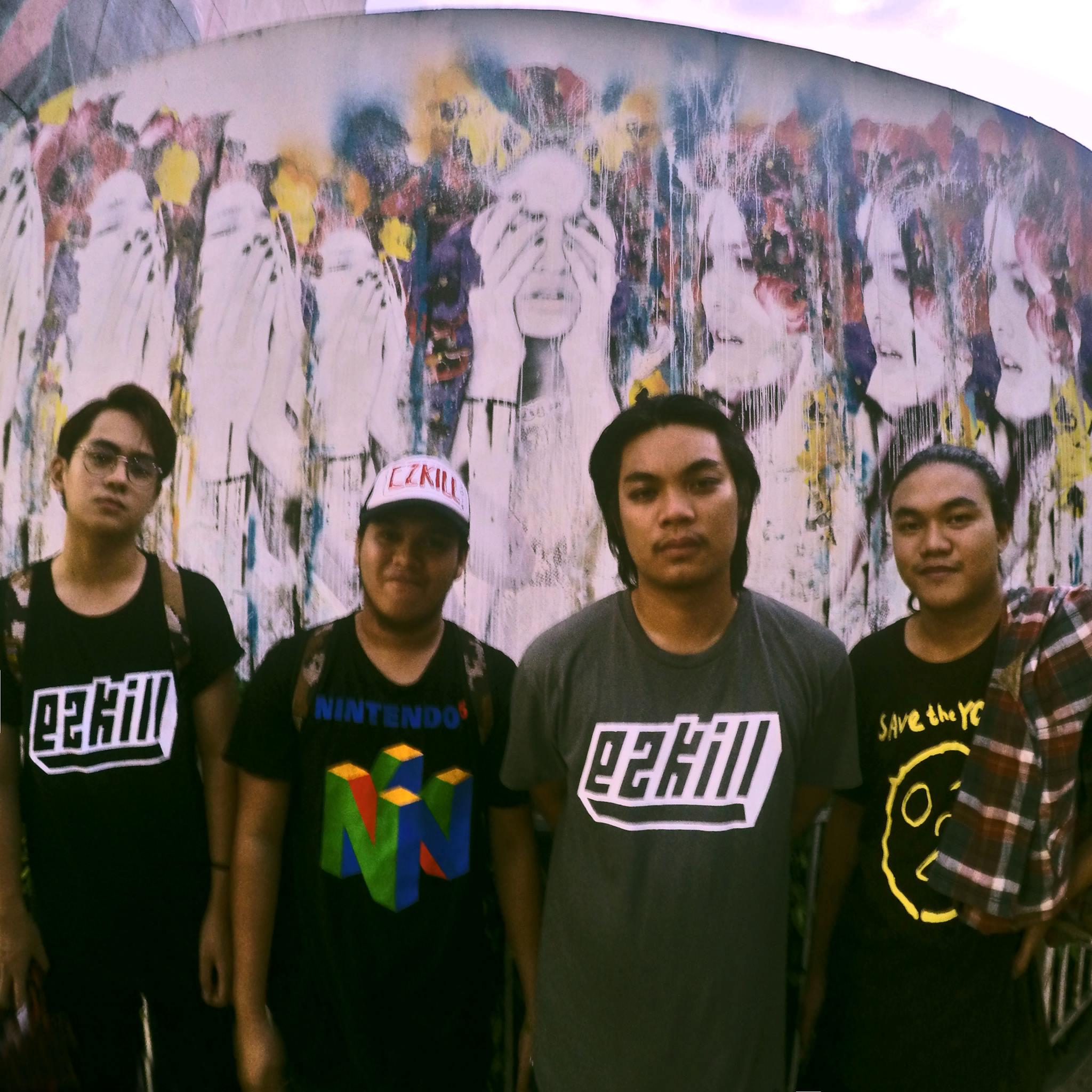
Viente’s Spotify BioViente's first members was Freddie Yu (Lead Vocals and Guitar) and JP Lacy (Drums) who were former member of Hakyoku for years. Before Viente, both of them were in a cover band. Thinking big, they decided to form a new band that would just focus on originals. While looking for members, Freddie met Ramon Paulo Masagca (Bass), another musician that is currently looking for a band that would release original songs, that's when Paulo joined. As for the other guitarist, Freddie decided to let his brother, David Yu (Backup Vocals and Guitar), play for the meantime just to fill the spot but later on decided to make him a permanent member. After 2 months, Viente released a single "HULI". Due to personal reasons, Paulo had to leave Viente. Then came September, when the music video of their first single followed. They also released their second single "BITAW" that month. With just little time in between, the music video for "Bitaw" followed. Few months after that, Before the band met Emil Roxas… from riverdweller contacted Viente, John Samuel Balaan (Bass) joined the group then after a period of time. September of 2019, Russel Gurdiel (Bass) joined the band and is a member up til now. Then later on, 2021 came and Juztine Angelez (Piano) joined as the fifth member of Viente.
Viberate is a music analytics platform built for A&Rs, artist managers, labels, booking agents, marketers, and artists.
It helps music professionals track artist growth, analyze audience data, monitor playlist activity, compare artists, follow song performance, and identify opportunities across the music market.
Public artist pages provide a free preview of selected artist data. Paid plans provide access to deeper analytics, historical data, charts, comparisons, playlist tools, exports, alerts, reports, and additional professional features.
Yes. Public Viberate artist pages provide selected artist analytics and music data for free.
Viberate also offers a 7-day free trial of the full platform. A credit card is required to start the trial. The trial includes access to the complete product so users can test deeper artist analytics, historical views, playlist insights, comparisons, charts, exports, alerts, and reporting features before choosing a paid plan.
Viberate provides artist analytics across streaming, playlists, social media, video, radio airplay, songs, and audience markets.
Users can analyze Spotify performance, Spotify and Apple Music playlists, YouTube activity, TikTok and Instagram growth, radio spins, song performance, audience locations, demographics, rankings, and overall artist momentum.
Artist profiles also connect to music charts, similar artists, and comparison tools, helping users benchmark performance and evaluate artists in context.
Viberate updates key artist and track data daily.
For followed artists and tracks, selected data is refreshed multiple times per day. This helps teams monitor playlist changes, streaming movement, audience growth, releases, and campaign performance with more current data.
Update frequency can vary depending on the metric and data source.
Yes. Viberate lets users compare up to five artists side by side across streaming, social media, audience, and engagement metrics.
Users can compare fanbase growth, audience demographics, locations, Spotify performance, social metrics, and other artist data over selected time periods.
Artist comparison can be used for A&R scouting, benchmarking, booking decisions, campaign planning, and evaluating artists with similar audiences or market positions.