Victory

Rock
Hard Rock
Pop Rock
 Viberate Rank: 165014
 Viberate Rank: 165014
 Monthly ListenersFollowers
 Subscribers
 Followers
 Followers
 FansTop Spotify Songs
| Track | 7-Day Streams | |
|---|---|---|
1 | 4.25K | |
2 | 3.42K | |
3 | 3.26K | |
4 | 2.53K | |
5 | 2.37K |
Top YouTube VideosMonthly ListenersFeatured in Playlists| Playlist | Followers | |
|---|---|---|
1 |  80’s Hair Metal & Rock halun1 | 40.35K |
2 |  Melodic Metal Movement tunesofmetal | 9.87K |
3 | AOR / Melodic Rock Magnus Olsson | 6.17K |
4 | 80s Metal Rock BLOODLUST | 4.71K |
5 |  Headbanger's Ball 1987-1994 Richie Trixx | 4.44K |
Audience| City | Monthly Listeners | |
|---|---|---|
1 |  | 821 |
2 | | 732 |
3 | | 701 |
4 | | 621 |
5 | | 597 |
See full performance history, audience data, playlist activity, rankings, comparisons, and more in Viberate music analytics. Start with a free trial, then continue with a paid plan.
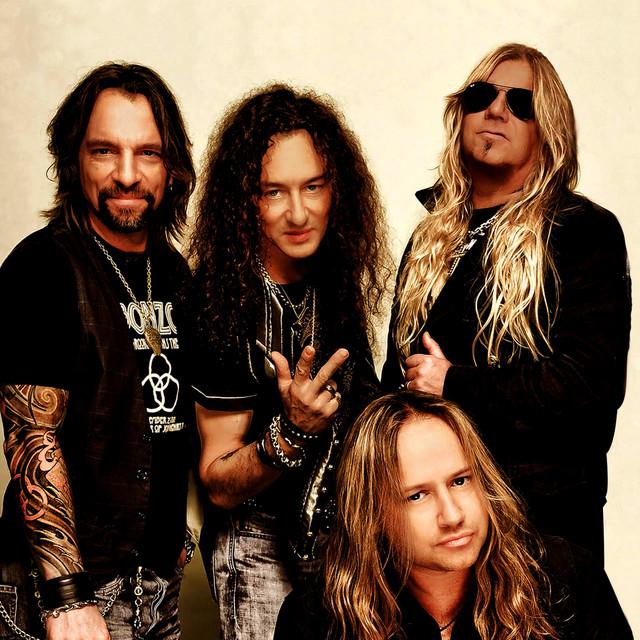
Victory’s Spotify BioDuring the 1980s, a handful of German hard rock acts managed to make a pretty remarkable impression on the American music market. While not all of them had the staying power and popularity of Scorpions, Hanover's Victory made an enduring impression. The group carved out an impressive swath of heavy metal real estate for themselves in the mid- to late '80s, turning heads both at home and abroad with chart-topping releases like Don't Get Mad, Get Even, Hungry Hearts, and Culture Killed the Native. After calling it quits in 1994, the band reconvened in 2003 with a retooled lineup and began a second chapter with the album Instinct, which saw them revisiting old material while adding new songs to the Victory canon. 2005's Fuel to the Fire: The Best of Victory followed. More lineup changes occurred on subsequent tours, and the band regrouped for 2011's Don't Talk Science, their final album for a decade. In 2021, behind guitarist Herman Frank, Victory re-formed and released Gods of Tomorrow… on AFM.
Signed to CBS records, Victory (circa their first release: Charlie Huhn, vocals; Tommy Newton, guitars; John Lockton, guitar; Peter Knorn, bass; and Bernie Van de Graaf, drums) released their first album -- a self-titled affair that was boosted sales-wise by a rather Spinal Tap-esque "sexist" cover -- in 1985. A U.S. tour was in the offing, and, first making a replacement on drums with Van de Graaf stepping down for Fritz Randow, the band made additional appearances at Oakland's Day on the Green Festival and the Texxas Jam festival. Lockton left the band after their journey westward, but once new guitarist Herman Frank was in the fold, Victory continued a steady stream of recording and releasing that would result in four more albums from 1987 to 1990.
Although the band was dealt the unfortunate blow of losing frontman Charlie Huhn, replacement Fernando Garcia made a positive impression, and the Victory train kept rolling. By the early '90s, Victory had begun to achieve chart success in Germany, but it wasn't enough to guarantee roster stability, and over the years a number of members had come and gone. It also wasn't enough to guarantee the band a longer shelf-life, as Victory decided to call it a day after releasing the double-live album Liveline in 1994. In 1996, the band, presenting a very different lineup than in years past, tried to make a comeback, but it was short-lived, and once again the members of Victory went their separate ways.
The members found success in other bands, including Foghat, Godiva, and Saxon, and working with solo artists such as Michael Schenker and Uli Jon Roth. But the dissolution of Victory was to see its own end in 2003, when the band (the lineup this time around being Huhn, Newton, Randow, Frank, and Knorn) issued the album Instinct. 2006 found the re-established Victory releasing another collection, a re-recorded best-of titled Fuel to the Fire. The band continued in the face of continued lineup changes (Jioti Parcharidis in for Huhn, Randow replaced by Achim Keller), and would land a touring spot opening up for Metal Church.
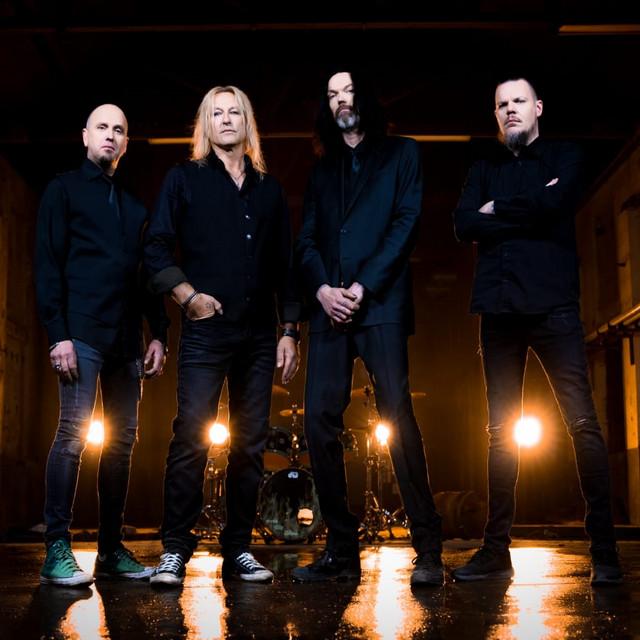
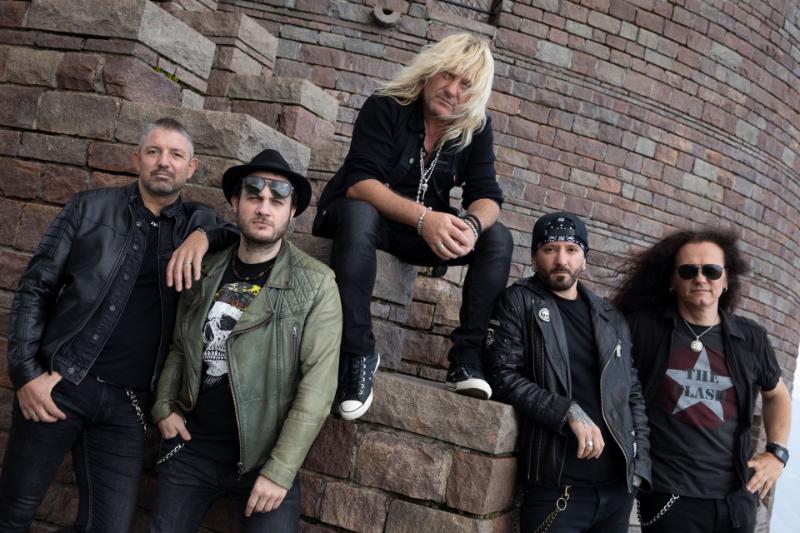
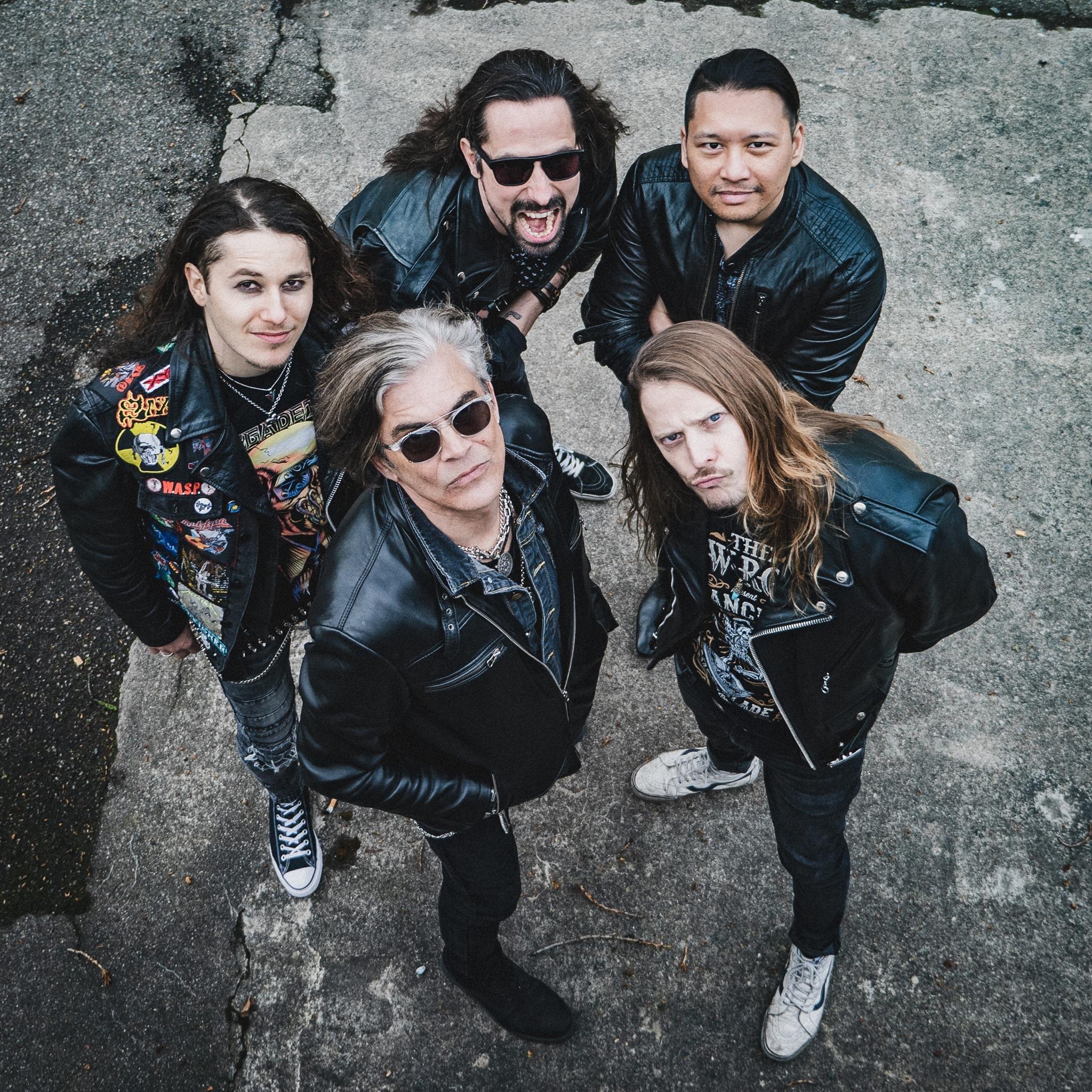
In 2011 a lineup consisting of Frank, Parcharidis, Peter Pichl, Christos Mamalitsidis, and Michael Wolpers unleashed Don't Talk Science. Billed as their final album, the band toured Europe and the U.S. in support. A decade later, Frank re-formed the group as a quintet with vocalist Gianni Pontillo, guitarist Mike Pesin, bassist Malte Frederik Burkert, and drummer Michael Stein. In November 2021, they released Gods of Tomorrow on AFM. ~ Chris True, Rovi
Viberate is a music analytics platform built for A&Rs, artist managers, labels, booking agents, marketers, and artists.
It helps music professionals track artist growth, analyze audience data, monitor playlist activity, compare artists, follow song performance, and identify opportunities across the music market.
Public artist pages provide a free preview of selected artist data. Paid plans provide access to deeper analytics, historical data, charts, comparisons, playlist tools, exports, alerts, reports, and additional professional features.
Yes. Public Viberate artist pages provide selected artist analytics and music data for free.
Viberate also offers a 7-day free trial of the full platform. A credit card is required to start the trial. The trial includes access to the complete product so users can test deeper artist analytics, historical views, playlist insights, comparisons, charts, exports, alerts, and reporting features before choosing a paid plan.
Viberate provides artist analytics across streaming, playlists, social media, video, radio airplay, songs, and audience markets.
Users can analyze Spotify performance, Spotify and Apple Music playlists, YouTube activity, TikTok and Instagram growth, radio spins, song performance, audience locations, demographics, rankings, and overall artist momentum.
Artist profiles also connect to music charts, similar artists, and comparison tools, helping users benchmark performance and evaluate artists in context.
Viberate updates key artist and track data daily.
For followed artists and tracks, selected data is refreshed multiple times per day. This helps teams monitor playlist changes, streaming movement, audience growth, releases, and campaign performance with more current data.
Update frequency can vary depending on the metric and data source.
Yes. Viberate lets users compare up to five artists side by side across streaming, social media, audience, and engagement metrics.
Users can compare fanbase growth, audience demographics, locations, Spotify performance, social metrics, and other artist data over selected time periods.
Artist comparison can be used for A&R scouting, benchmarking, booking decisions, campaign planning, and evaluating artists with similar audiences or market positions.