Vickie Winans

Religious
Christian Music
Gospel
 Viberate Rank: 42820
 Viberate Rank: 42820
 Monthly ListenersFollowers
 Subscribers
 Followers
 Followers
 FansTop Spotify Songs
| Track | 7-Day Streams | |
|---|---|---|
1 | 36.74K | |
2 | 30.78K | |
3 | 26.44K | |
4 | 8.28K | |
5 | 5.46K |
Top YouTube VideosMonthly ListenersFeatured in Playlists| Playlist | Followers | |
|---|---|---|
1 | Black Gospel Praise and Worship diywithme772 | 81.56K |
2 | GOSPEL CLASSICS Patrice Troope | 53.45K |
3 | Gospel Music adrychat-us | 45.55K |
4 | Old Black Church Gospel Alex | 37.06K |
5 |  Gospel Playlist Best milltay | 12.16K |
Audience| City | Monthly Listeners | |
|---|---|---|
1 | | 4.50K |
2 | | 3.74K |
3 | | 3.70K |
4 | | 3.51K |
5 | | 3.05K |
See full performance history, audience data, playlist activity, rankings, comparisons, and more in Viberate music analytics. Start with a free trial, then continue with a paid plan.
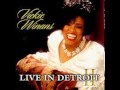
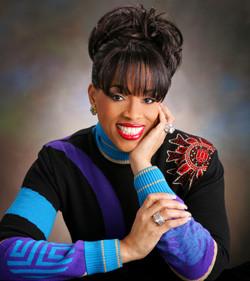
Vickie Winans’ Spotify BioAward-winning singer Vickie Winans (born Viviane Bowman) began her career when she was a kid, performing with family. Born the seventh child of a still-growing family, Winans was raised in Detroit, Michigan. Her entire family was a musical one, and deeply religious as well. She was only about eight years old when she began singing at the family church, astounding the audience with her vocal ability. She's shared success with the famous Winans family, for she married Marvin Winans and eventually joined forces with the gospel group. Vickie's first solo album, released in 1985, carries a track that became her signature song, "We Shall Behold Him." The debut full-length offering also earned her a Grammy nomination for Best Female Contemporary Soul Gospel Album, a Stellar Award for Album of the Year, and an Excellence Award for Best Female Contemporary Artist. It was a foretelling of what was to come.
Through the latter half of the '80s into the next decade, Winans recorded several… award-winning albums, and they regularly reached the Top Ten of Billboard's gospel chart. The material ranged from deeply gospel to contemporary Christian and often mixed the approaches. Her most popular songs from the period include "Daddy Can't Sing," "First Trumpet Sound," "The Diet Medley," "Boyfriends," "Its Yo Thang," "Give It One More Try," "Sweeter Than the Honeycomb," and "Little Timmy." When she wasn't in the recording studio, she spent much of her time performing and often worked 200 nights each year. She also made numerous television appearances on shows like Oprah, the Grammy Awards, Arsenio Hall, Queen Latifah, and The Pat Sajak Show and starred in Broadway musicals like Don't Get God Started.
Winans remained active during the 2000s and 2010s, a period during which she recorded for CGI, Verity, and her own label, Destiny Joy. Bringing It All Together (featuring collaborations with her son Mario Winans; 2003), Woman to Woman: Songs of Life (2006), and the Grammy-nominated How I Got Over (2009) all topped the gospel chart. Winans also put together a handful of comedic releases. ~ Charlotte Dillon, Rovi
Viberate is a music analytics platform built for A&Rs, artist managers, labels, booking agents, marketers, and artists.
It helps music professionals track artist growth, analyze audience data, monitor playlist activity, compare artists, follow song performance, and identify opportunities across the music market.
Public artist pages provide a free preview of selected artist data. Paid plans provide access to deeper analytics, historical data, charts, comparisons, playlist tools, exports, alerts, reports, and additional professional features.
Yes. Public Viberate artist pages provide selected artist analytics and music data for free.
Viberate also offers a 7-day free trial of the full platform. A credit card is required to start the trial. The trial includes access to the complete product so users can test deeper artist analytics, historical views, playlist insights, comparisons, charts, exports, alerts, and reporting features before choosing a paid plan.
Viberate provides artist analytics across streaming, playlists, social media, video, radio airplay, songs, and audience markets.
Users can analyze Spotify performance, Spotify and Apple Music playlists, YouTube activity, TikTok and Instagram growth, radio spins, song performance, audience locations, demographics, rankings, and overall artist momentum.
Artist profiles also connect to music charts, similar artists, and comparison tools, helping users benchmark performance and evaluate artists in context.
Viberate updates key artist and track data daily.
For followed artists and tracks, selected data is refreshed multiple times per day. This helps teams monitor playlist changes, streaming movement, audience growth, releases, and campaign performance with more current data.
Update frequency can vary depending on the metric and data source.
Yes. Viberate lets users compare up to five artists side by side across streaming, social media, audience, and engagement metrics.
Users can compare fanbase growth, audience demographics, locations, Spotify performance, social metrics, and other artist data over selected time periods.
Artist comparison can be used for A&R scouting, benchmarking, booking decisions, campaign planning, and evaluating artists with similar audiences or market positions.