Vicente Archer

Jazz
Bebop
Swing
Smooth Jazz
 Viberate Rank: 192662
 Viberate Rank: 192662
 Monthly ListenersFollowers
 Subscribers
 Followers
 Followers
 FansTop Spotify Songs
| Track | 7-Day Streams | |
|---|---|---|
1 | 32.37K | |
2 | 15.81K | |
3 | 8.35K | |
4 | 2.01K | |
5 | 1.09K |
Top YouTube VideosMonthly ListenersFeatured in Playlists| Playlist | Followers | |
|---|---|---|
1 |  Late Night Jazz Spotify | 2.18M |
2 |  Good Morning Jazz Spotify | 449.09K |
3 |  Jazzy Dinner Spotify | 417.94K |
4 |  Soft Jazz Spotify | 359.13K |
5 |  Jazz Covers Spotify | 161.28K |
Audience| City | Monthly Listeners | |
|---|---|---|
1 |  | 714 |
2 | | 599 |
3 |  | 491 |
4 | | 457 |
5 |  | 457 |
See full performance history, audience data, playlist activity, rankings, comparisons, and more in Viberate music analytics. Start with a free trial, then continue with a paid plan.
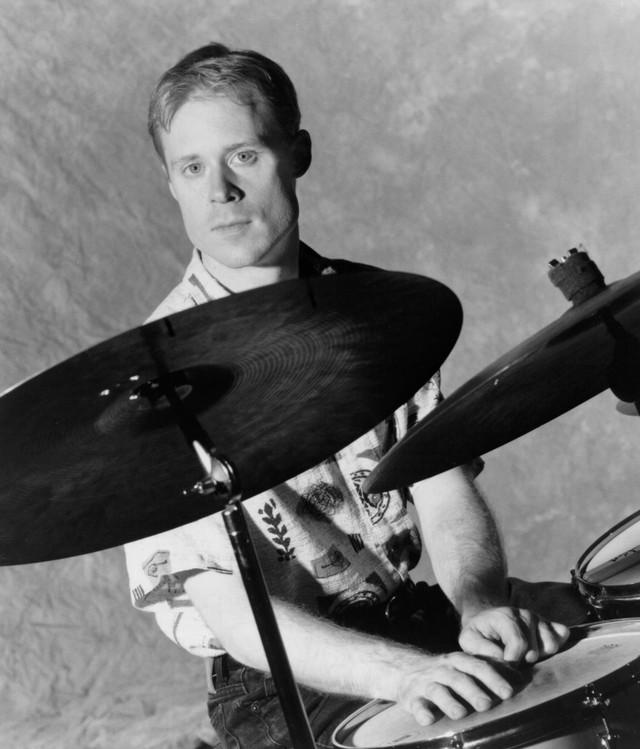
Vicente Archer’s Spotify BioArcher began in self-taught guitar for 16 years and studied at the New England Conservatory in Boston, MA with Gene Bertfocinio, Jerry Bergonzi and Danilo Perez. Archer left for a year to study the bass guitar at Northeastern University. Soon he was discovered by Donald Harrison and Eric Reed and taken on tour. In the following years he played with musicians such as Terence Blanchard, Kenny Garrett, Wynton Marsalis, Stanley Jordan and Stefon Harris. Archer recorded with Donald Harrison in 1998 (Free to Be, Impulse!). In 2000 Archer completed his business studies in Management Information Systems and Business Management and moved to New York City.
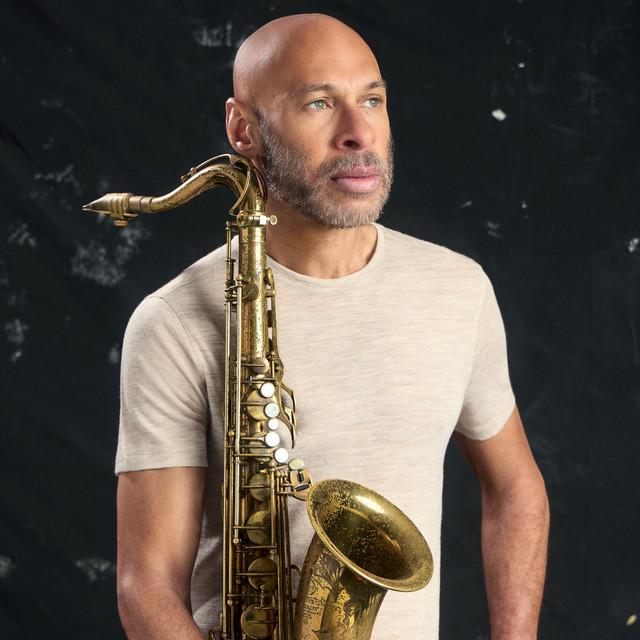
From the 2000s Archer played with Louis Hayes' Cannonball Legacy Band, Marcus Printup, Nicholas Payton, Myron Walden, George Colligan, Jaleel Shaw, Walter Smith III, Robert Glasper, Chihiro Yamanaka, Marcus Strickland and John Scofield.
In the 2010s, he also worked on recordings of Bruce Barth, Norah Jones, Matthew Stevens and the Black Art Jazz… Collective. In the field of jazz he was involved in 47 recording sessions between 1998 and 2017. In the Spring of 2023 he will release his debut album, Short Stories, on Cellar Music Group featuring Gerald Clayton and Bill Stewart
Viberate is a music analytics platform built for A&Rs, artist managers, labels, booking agents, marketers, and artists.
It helps music professionals track artist growth, analyze audience data, monitor playlist activity, compare artists, follow song performance, and identify opportunities across the music market.
Public artist pages provide a free preview of selected artist data. Paid plans provide access to deeper analytics, historical data, charts, comparisons, playlist tools, exports, alerts, reports, and additional professional features.
Yes. Public Viberate artist pages provide selected artist analytics and music data for free.
Viberate also offers a 7-day free trial of the full platform. A credit card is required to start the trial. The trial includes access to the complete product so users can test deeper artist analytics, historical views, playlist insights, comparisons, charts, exports, alerts, and reporting features before choosing a paid plan.
Viberate provides artist analytics across streaming, playlists, social media, video, radio airplay, songs, and audience markets.
Users can analyze Spotify performance, Spotify and Apple Music playlists, YouTube activity, TikTok and Instagram growth, radio spins, song performance, audience locations, demographics, rankings, and overall artist momentum.
Artist profiles also connect to music charts, similar artists, and comparison tools, helping users benchmark performance and evaluate artists in context.
Viberate updates key artist and track data daily.
For followed artists and tracks, selected data is refreshed multiple times per day. This helps teams monitor playlist changes, streaming movement, audience growth, releases, and campaign performance with more current data.
Update frequency can vary depending on the metric and data source.
Yes. Viberate lets users compare up to five artists side by side across streaming, social media, audience, and engagement metrics.
Users can compare fanbase growth, audience demographics, locations, Spotify performance, social metrics, and other artist data over selected time periods.
Artist comparison can be used for A&R scouting, benchmarking, booking decisions, campaign planning, and evaluating artists with similar audiences or market positions.