Vesania

Metal
Black Metal
Death Metal
Symphonic Metal
 Viberate Rank: 239179
 Viberate Rank: 239179
 Monthly ListenersFollowers
 Subscribers
 Followers
 Followers
 FansTop Spotify Songs
| Track | 7-Day Streams | |
|---|---|---|
1 | 280 | |
2 | 233 | |
3 | 137 | |
4 | 122 | |
5 | 97 |
Top YouTube VideosMonthly ListenersFeatured in Playlists| Playlist | Followers | |
|---|---|---|
1 |  SYMPHONIC BLACK METAL ♱ Sab ⚔️ | 10.16K |
2 |  black metal só que bom Headbanger Das Feitiçarias | 6.71K |
3 |  Symphonic Death Metal Alex Rabets - vox Set To Hate | 5.33K |
4 |  BLACKMETAL DSBM badyushka🕷️🩸 | 3.61K |
5 | Year in Metal 2014 Spotify | 3.42K |
Audience| City | Monthly Listeners | |
|---|---|---|
1 | | 70 |
2 |  | 62 |
3 | | 40 |
4 | | 35 |
5 | | 34 |
See full performance history, audience data, playlist activity, rankings, comparisons, and more in Viberate music analytics. Start with a free trial, then continue with a paid plan.
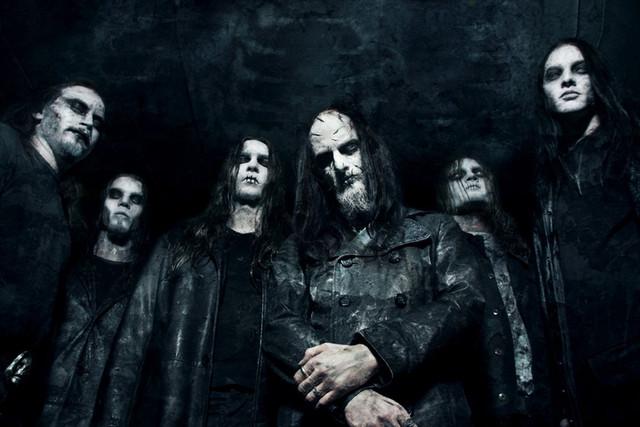
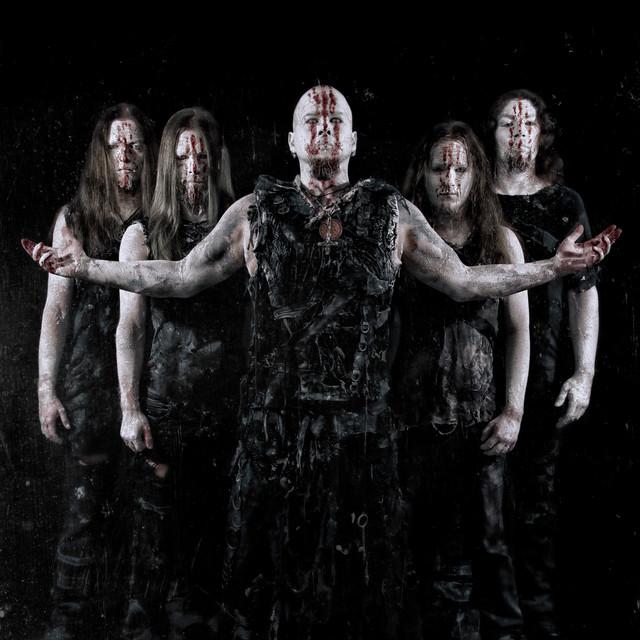
Vesania’s Spotify BioBased out of Legionowo, Poland, symphonic black metal unit Vesania (the Latin word for insanity) formed in 1997 around the talents of Behemoth bassist and backing vocalist Tomasz Wróblewski (Orion), Vader drummer Dariusz Brzozowski (Daray), and Decapitated and UnSun bassist Filip Hałucha (Heinrich). Specializing in a relentless coupling of blackened death metal and evocative, though no less decibel-pushing symphonic metal, the band released its debut record, Moonastray (a split with fellow extreme metal outfit Black Altar that was limited to 666 units and signed with blood), in 2002, followed by their debut long-player Firefrost Arcanum via Empire Records in 2003. Keyboardist Krzysztof Oloś (Siegmar) joined the group for 2005's God the Lux, and Marcin Walenczykowski (Valeo) joined the fold as lead guitarist the following year, marking his first recorded appearance on 2007's Napalm Records-issued Distractive Killusions. Deus Ex Machina, the band's fourth full-length album and first for …Metal Blade followed in 2014. ~ James Christopher Monger, Rovi
Viberate is a music analytics platform built for A&Rs, artist managers, labels, booking agents, marketers, and artists.
It helps music professionals track artist growth, analyze audience data, monitor playlist activity, compare artists, follow song performance, and identify opportunities across the music market.
Public artist pages provide a free preview of selected artist data. Paid plans provide access to deeper analytics, historical data, charts, comparisons, playlist tools, exports, alerts, reports, and additional professional features.
Yes. Public Viberate artist pages provide selected artist analytics and music data for free.
Viberate also offers a 7-day free trial of the full platform. A credit card is required to start the trial. The trial includes access to the complete product so users can test deeper artist analytics, historical views, playlist insights, comparisons, charts, exports, alerts, and reporting features before choosing a paid plan.
Viberate provides artist analytics across streaming, playlists, social media, video, radio airplay, songs, and audience markets.
Users can analyze Spotify performance, Spotify and Apple Music playlists, YouTube activity, TikTok and Instagram growth, radio spins, song performance, audience locations, demographics, rankings, and overall artist momentum.
Artist profiles also connect to music charts, similar artists, and comparison tools, helping users benchmark performance and evaluate artists in context.
Viberate updates key artist and track data daily.
For followed artists and tracks, selected data is refreshed multiple times per day. This helps teams monitor playlist changes, streaming movement, audience growth, releases, and campaign performance with more current data.
Update frequency can vary depending on the metric and data source.
Yes. Viberate lets users compare up to five artists side by side across streaming, social media, audience, and engagement metrics.
Users can compare fanbase growth, audience demographics, locations, Spotify performance, social metrics, and other artist data over selected time periods.
Artist comparison can be used for A&R scouting, benchmarking, booking decisions, campaign planning, and evaluating artists with similar audiences or market positions.