Veronica Falls

Pop
Indie Pop
Indie Rock
 Viberate Rank: 143808
 Viberate Rank: 143808
 Monthly ListenersFollowers
 Subscribers
 Followers
 Followers
 FansTop Spotify Songs
| Track | 7-Day Streams | |
|---|---|---|
1 | 1.10K | |
2 | 873 | |
3 | 577 | |
4 | 508 | |
5 | 434 |
Top YouTube VideosMonthly ListenersFeatured in Playlists| Playlist | Followers | |
|---|---|---|
1 |  Witchy Songs 🔮🌙 Sarah | 97.70K |
2 |  500 Best Indie & Alternative Rock Songs Juan Ceñal | 19.59K |
3 |  GOSSIP GIRL COMPLETE PLAYLIST maddie | 17.66K |
4 | Lee Moore | 16.02K |
5 |  Random Happy Songs To Help Brighten Your Day k | 13.23K |
Audience| City | Monthly Listeners | |
|---|---|---|
1 | | 281 |
2 |  | 241 |
3 | | 221 |
4 | | 189 |
5 | | 156 |
See full performance history, audience data, playlist activity, rankings, comparisons, and more in Viberate music analytics. Start with a free trial, then continue with a paid plan.
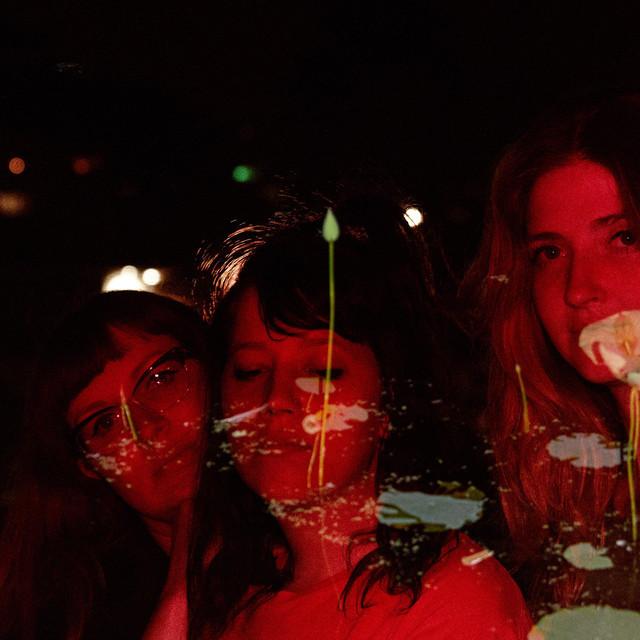
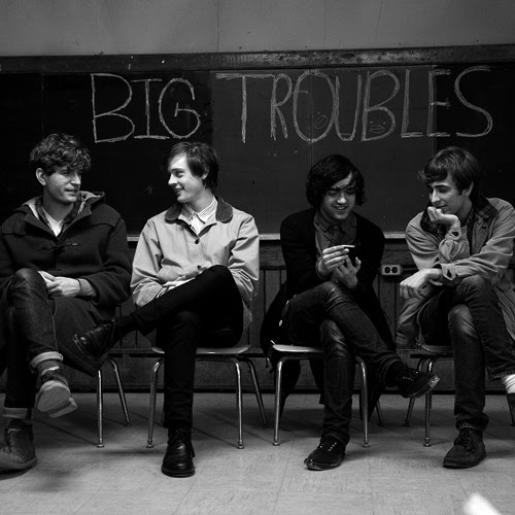
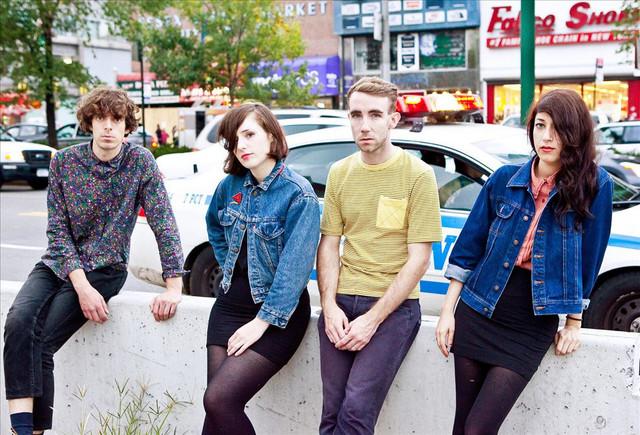
Veronica Falls’ Spotify BioFor a brief window of time, London indie pop band Veronica Falls produced reverb-heavy songs full of melody, co-ed harmonies, and hints of darkness. The band existed for only five years, but in that time released multiple singles and two excellent albums, exiting with 2013's restless Waiting for Something to Happen.
Veronica Falls formed in 2009 when Sexy Kids bandmates Roxanne Clifford and Patrick Doyle teamed up with James Hoare of Your Twenties after meeting at a Comet Gain gig. Filling the membership out with their friend Marion Herbain, the band began writing tunes rooted in mid-'80s influences like the Shop Assistants and the Chills but were also in line with noisy, poppy contemporaries like Grass Widow and Vivian Girls. Their first two singles ("Found Love in a Graveyard" and "Beachy Head") were released in 2010 by Captured Tracks and garnered plenty of positive reviews. Their first album was recorded with Guy Fixsen (who worked with My Bloody Valentine and Moose in the '80s),… and Ash Workman (who worked with 2010s groups like Metronomy and Summer Camp), the end result sounding like a perfect blend of the eras. Preceded by the single "Bad Feeling" in August of 2011, Veronica Falls was released in September of that same year on Slumberland in the U.S. and Bella Union in the E.U. After touring the world for most of the year, the band returned to the airwaves in November of 2012 with a new single "Teenage." They followed it up in early 2012 with the release of the Rory Attwell (Male Bonding, the Vaccines) co-produced album Waiting for Something to Happen. Veronica Falls split up in 2014, and the various members went on to new projects. Hoare went on to play in bands like the Proper Ornaments and Ultimate Painting, and Clifford began releasing music under the moniker Patience. Doyle re-emerged in 2016 with the release of an eponymous album under the moniker Boys Forever. He died in March of 2018 at the age of 32. ~ Tim Sendra & Fred Thomas, Rovi
Viberate is a music analytics platform built for A&Rs, artist managers, labels, booking agents, marketers, and artists.
It helps music professionals track artist growth, analyze audience data, monitor playlist activity, compare artists, follow song performance, and identify opportunities across the music market.
Public artist pages provide a free preview of selected artist data. Paid plans provide access to deeper analytics, historical data, charts, comparisons, playlist tools, exports, alerts, reports, and additional professional features.
Yes. Public Viberate artist pages provide selected artist analytics and music data for free.
Viberate also offers a 7-day free trial of the full platform. A credit card is required to start the trial. The trial includes access to the complete product so users can test deeper artist analytics, historical views, playlist insights, comparisons, charts, exports, alerts, and reporting features before choosing a paid plan.
Viberate provides artist analytics across streaming, playlists, social media, video, radio airplay, songs, and audience markets.
Users can analyze Spotify performance, Spotify and Apple Music playlists, YouTube activity, TikTok and Instagram growth, radio spins, song performance, audience locations, demographics, rankings, and overall artist momentum.
Artist profiles also connect to music charts, similar artists, and comparison tools, helping users benchmark performance and evaluate artists in context.
Viberate updates key artist and track data daily.
For followed artists and tracks, selected data is refreshed multiple times per day. This helps teams monitor playlist changes, streaming movement, audience growth, releases, and campaign performance with more current data.
Update frequency can vary depending on the metric and data source.
Yes. Viberate lets users compare up to five artists side by side across streaming, social media, audience, and engagement metrics.
Users can compare fanbase growth, audience demographics, locations, Spotify performance, social metrics, and other artist data over selected time periods.
Artist comparison can be used for A&R scouting, benchmarking, booking decisions, campaign planning, and evaluating artists with similar audiences or market positions.