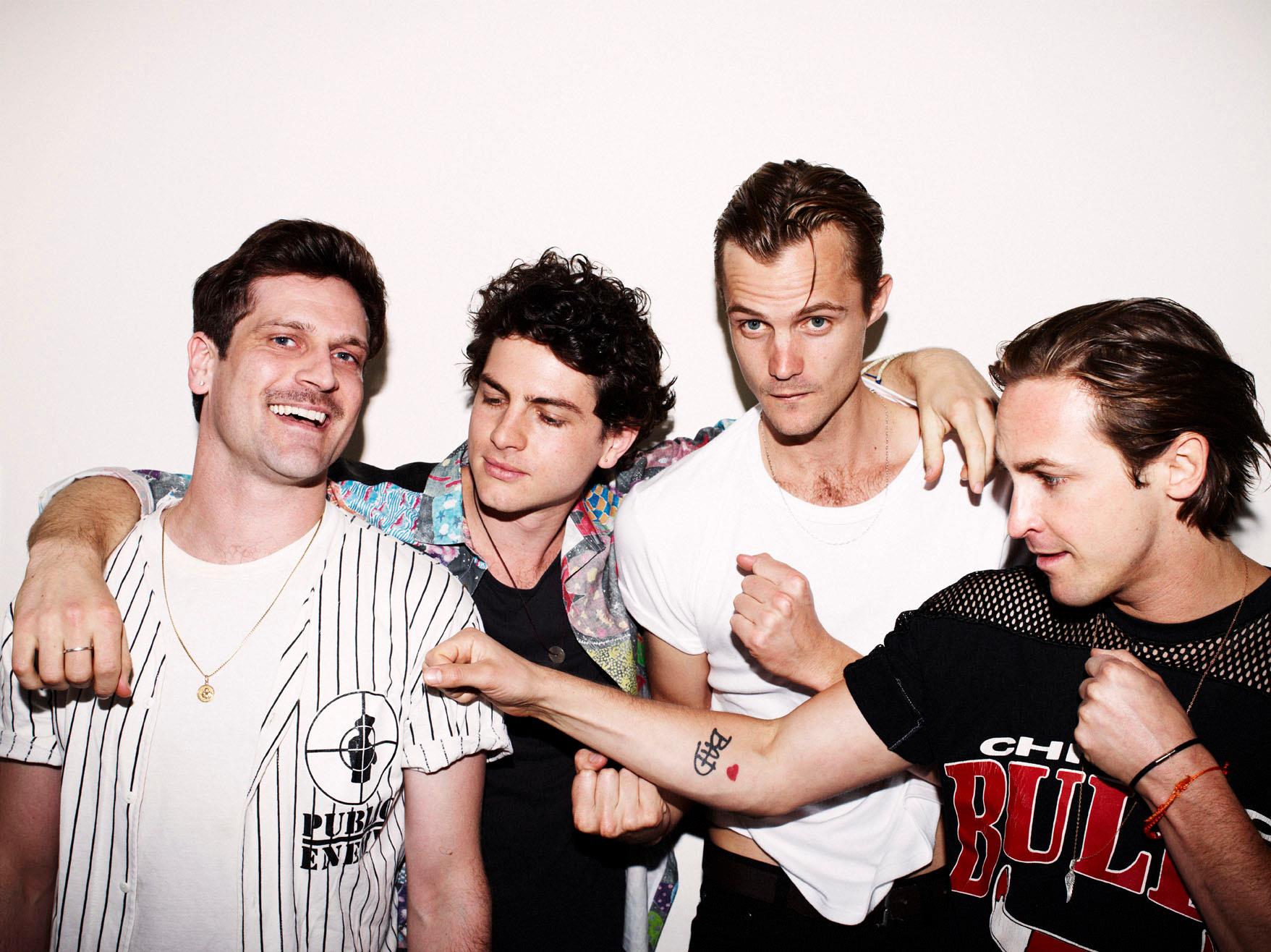
Van She

Electronic
Dance
Pop Rock
 Viberate Rank: 115136
 Viberate Rank: 115136
 Monthly ListenersFollowers
 Subscribers
 Followers
 Followers
 FansTop Spotify Songs
| Track | 7-Day Streams | |
|---|---|---|
1 | 8.59K | |
2 | 8.23K | |
3 | 5.16K | |
4 | 1.95K | |
5 | 1.82K |
Top YouTube Videos| Video | 7-Day Views | |
|---|---|---|
1 | 502 | |
2 | 151 | |
3 | 111 | |
4 | 78 | |
5 | 54 |
Monthly ListenersFeatured in Playlists| Playlist | Followers | |
|---|---|---|
1 |  Daily Favs - Fynn Kliemanns wichtigste Musik Fynn Kliemann | 96.13K |
2 |  Bloghouse Spotify | 81.92K |
3 | ☕️ Programming Johan | 49.69K |
4 | Best of the 90's and 2000's Heyson Hinge | 46.48K |
5 | lisa_anthem | 35.27K |
Audience| City | Monthly Listeners | |
|---|---|---|
1 | | 4.48K |
2 | | 3.68K |
3 | | 2.84K |
4 | | 1.96K |
5 |  | 1.21K |
See full performance history, audience data, playlist activity, rankings, comparisons, and more in Viberate music analytics. Start with a free trial, then continue with a paid plan.
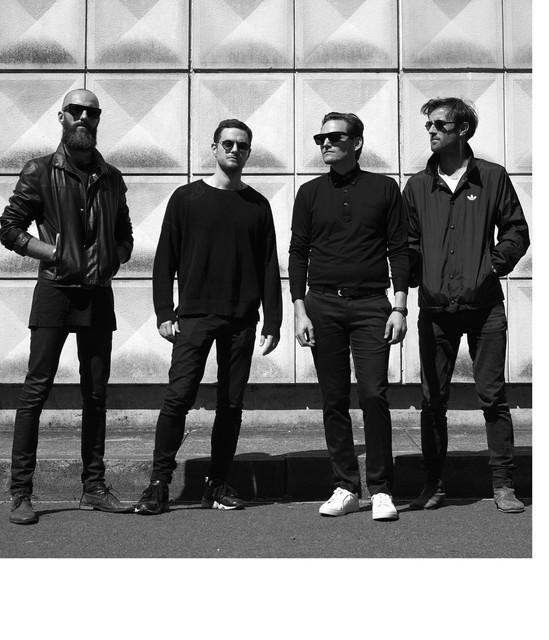
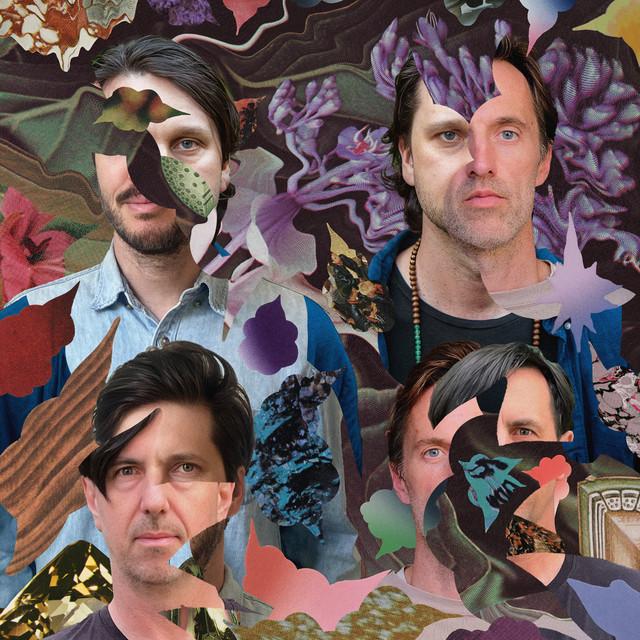
Van She’s Spotify BioThe Aussie dance-rock act Van She formed in 2005 in the Sydney suburb of Bankstown. Each member of the band -- Michael Di Francesco (synths), Tomek Archer (drums), Nick Routledge (vocals/guitar), and Matt Van Schie (bass) -- had responded to an ad in Sydney's Drum Media magazine and arrived at an audition for a vocalist for a doom metal band with influences such as Sepultura, Entombed, Black Skull -- and Phil Collins. The whole thing was a total hoax; however, they all became fast friends and scrambled up Van Schie's last name for the creation of Van She. A deal with Modular Recordings was inked after just one gig and shows with the Presets, Wolf & Cub, Annie, and Yeah Yeah Yeahs soon followed in 2006. With the success of their first single "Kelly" and their eponymous debut EP, Van She were named Live Act of the Year by In the Mix magazine, and also earned a nomination in the Best Debut Artist category for the Dance Music Awards in their native Australia. The group's first album, V,… was released in 2008. After this they focused on remixes for artists like Ladyhawke and Empire of the Sun, while releasing a version of Blue Öyster Cult's "Don't Fear the Reaper" in 2009. After what seemed like forever, they returned with a new single, "Idea of Happiness," in early 2012. A full album with the same name was released in the summer of that year. ~ MacKenzie Wilson, Rovi
Viberate is a music analytics platform built for A&Rs, artist managers, labels, booking agents, marketers, and artists.
It helps music professionals track artist growth, analyze audience data, monitor playlist activity, compare artists, follow song performance, and identify opportunities across the music market.
Public artist pages provide a free preview of selected artist data. Paid plans provide access to deeper analytics, historical data, charts, comparisons, playlist tools, exports, alerts, reports, and additional professional features.
Yes. Public Viberate artist pages provide selected artist analytics and music data for free.
Viberate also offers a 7-day free trial of the full platform. A credit card is required to start the trial. The trial includes access to the complete product so users can test deeper artist analytics, historical views, playlist insights, comparisons, charts, exports, alerts, and reporting features before choosing a paid plan.
Viberate provides artist analytics across streaming, playlists, social media, video, radio airplay, songs, and audience markets.
Users can analyze Spotify performance, Spotify and Apple Music playlists, YouTube activity, TikTok and Instagram growth, radio spins, song performance, audience locations, demographics, rankings, and overall artist momentum.
Artist profiles also connect to music charts, similar artists, and comparison tools, helping users benchmark performance and evaluate artists in context.
Viberate updates key artist and track data daily.
For followed artists and tracks, selected data is refreshed multiple times per day. This helps teams monitor playlist changes, streaming movement, audience growth, releases, and campaign performance with more current data.
Update frequency can vary depending on the metric and data source.
Yes. Viberate lets users compare up to five artists side by side across streaming, social media, audience, and engagement metrics.
Users can compare fanbase growth, audience demographics, locations, Spotify performance, social metrics, and other artist data over selected time periods.
Artist comparison can be used for A&R scouting, benchmarking, booking decisions, campaign planning, and evaluating artists with similar audiences or market positions.