Valkyrja

Metal
Black Metal
 Viberate Rank: 276205
 Viberate Rank: 276205
 Monthly ListenersFollowers
 Subscribers
 Followers
 Followers
 FansTop Spotify Songs
| Track | 7-Day Streams | |
|---|---|---|
1 | 216 | |
2 | 180 | |
3 | 144 | |
4 | 140 | |
5 | 64 |
Top YouTube VideosMonthly ListenersFeatured in Playlists| Playlist | Followers | |
|---|---|---|
1 | Black metal Stian Sætrum | 26.12K |
2 |  black metal bl00d.junkie | 11.39K |
3 |  🌶️ To The Teeth | New Metal To The Teeth | 8.80K |
4 | Metal Playlist Ardi Jusufi | 5.03K |
5 |  BLACKMETAL DSBM badyushka🕷️🩸 | 3.61K |
Audience| City | Monthly Listeners | |
|---|---|---|
1 | | 60 |
2 |  | 23 |
3 | | 22 |
4 |  | 22 |
5 |  | 22 |
See full performance history, audience data, playlist activity, rankings, comparisons, and more in Viberate music analytics. Start with a free trial, then continue with a paid plan.
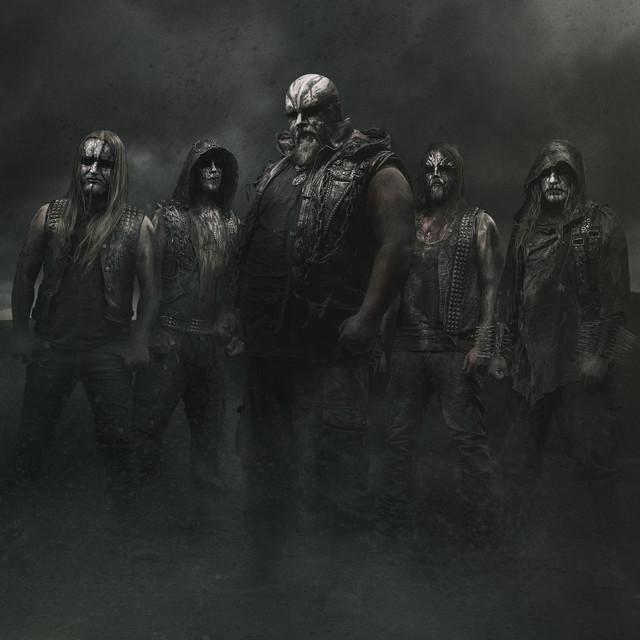
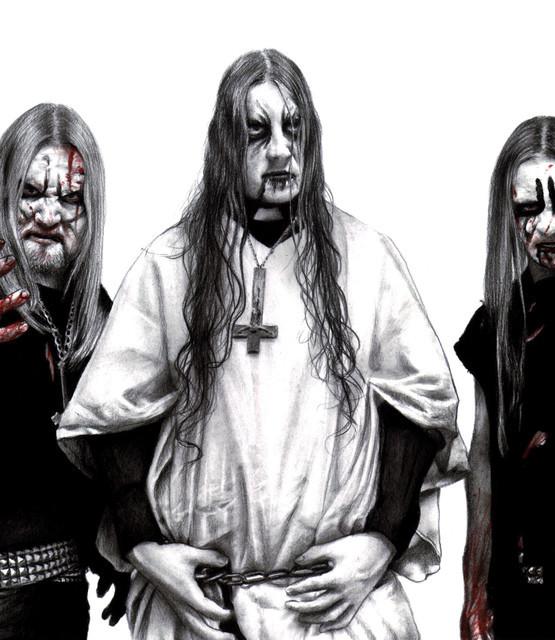
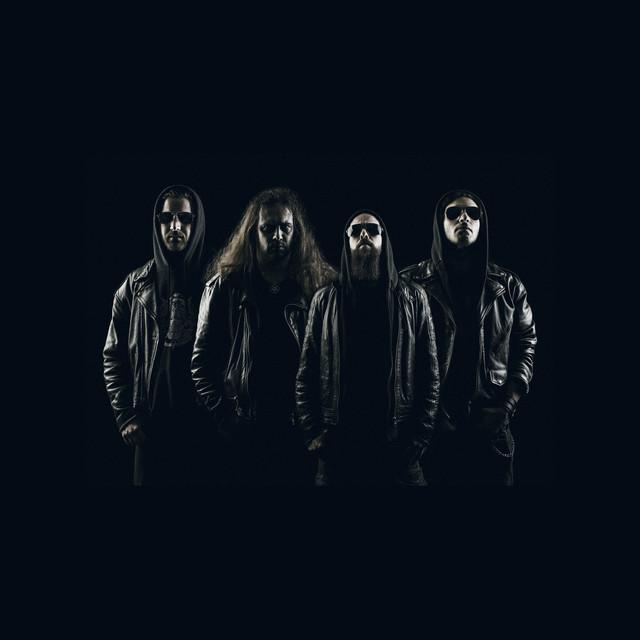
Valkyrja’s Spotify BioValkyrja was founded in 2004 with the earnest intention of channelling violence, deprivation and loathing through means of extraordinarily potent audio emissions. Their ideals were permeated by passionate and boundless perversion – a sickly urge festering ever so vibrantly in the essence of its members. A will to cast off the manacles of societal enslavement and leave a dying world behind.
The debut album, The Invocation Of Demise was recorded in Necromorbus Studio during March 2007 and then released in physical form by Northern Silence Productions six months later. Valkyrja quickly gained their reputation as a ferocious live act; a display of carnal lust leaving each stage with the foul scent of death.
Drawn to the stench of putrid bereavement, Metal Blade Records contracted the band in 2009. The same year also saw a return to Necromorbus Studio for the recording of their second album, the most aptly named 2010 Contamination.
Forged and conceived to reflect blood and fire - the third… album, The Antagonist's Fire set the world aflame on the eleventh day of the eleventh month in the year 2013, released by the German underground cult label World Terror Committee.
The past few years have seen the band subjected to several crucial line-up changes, igniting a period of utter despair that would sow the seeds for what has now come to pass: Throne Ablaze!
Viberate is a music analytics platform built for A&Rs, artist managers, labels, booking agents, marketers, and artists.
It helps music professionals track artist growth, analyze audience data, monitor playlist activity, compare artists, follow song performance, and identify opportunities across the music market.
Public artist pages provide a free preview of selected artist data. Paid plans provide access to deeper analytics, historical data, charts, comparisons, playlist tools, exports, alerts, reports, and additional professional features.
Yes. Public Viberate artist pages provide selected artist analytics and music data for free.
Viberate also offers a 7-day free trial of the full platform. A credit card is required to start the trial. The trial includes access to the complete product so users can test deeper artist analytics, historical views, playlist insights, comparisons, charts, exports, alerts, and reporting features before choosing a paid plan.
Viberate provides artist analytics across streaming, playlists, social media, video, radio airplay, songs, and audience markets.
Users can analyze Spotify performance, Spotify and Apple Music playlists, YouTube activity, TikTok and Instagram growth, radio spins, song performance, audience locations, demographics, rankings, and overall artist momentum.
Artist profiles also connect to music charts, similar artists, and comparison tools, helping users benchmark performance and evaluate artists in context.
Viberate updates key artist and track data daily.
For followed artists and tracks, selected data is refreshed multiple times per day. This helps teams monitor playlist changes, streaming movement, audience growth, releases, and campaign performance with more current data.
Update frequency can vary depending on the metric and data source.
Yes. Viberate lets users compare up to five artists side by side across streaming, social media, audience, and engagement metrics.
Users can compare fanbase growth, audience demographics, locations, Spotify performance, social metrics, and other artist data over selected time periods.
Artist comparison can be used for A&R scouting, benchmarking, booking decisions, campaign planning, and evaluating artists with similar audiences or market positions.