Vajas

European
Nordic Folk
 Viberate Rank: 849948
 Viberate Rank: 849948
 Monthly ListenersFollowers
 Subscribers
 Followers
 Followers
 FansTop Spotify Songs
| Track | 7-Day Streams | |
|---|---|---|
1 | 131 | |
2 | 104 | |
3 | 38 | |
4 | 37 | |
5 | 30 |
Top YouTube VideosMonthly ListenersFeatured in PlaylistsAudience| City | Monthly Listeners | |
|---|---|---|
1 | | 36 |
2 |  | 17 |
3 | | 10 |
4 | | 9 |
5 | | 8 |
See full performance history, audience data, playlist activity, rankings, comparisons, and more in Viberate music analytics. Start with a free trial, then continue with a paid plan.
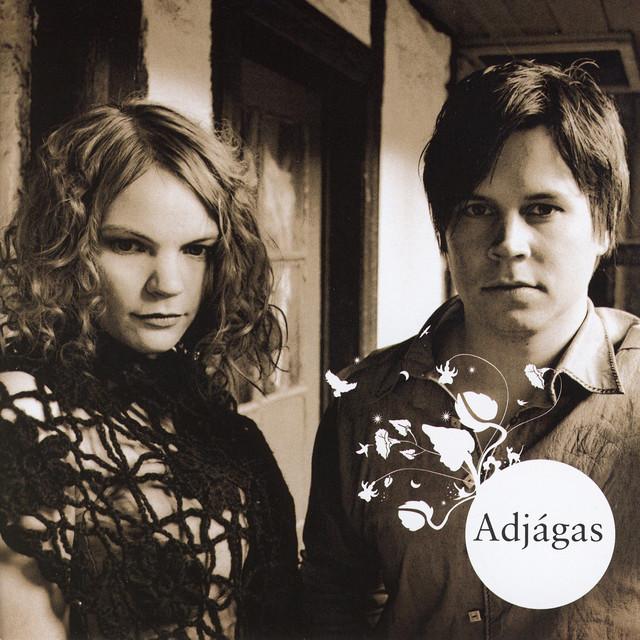
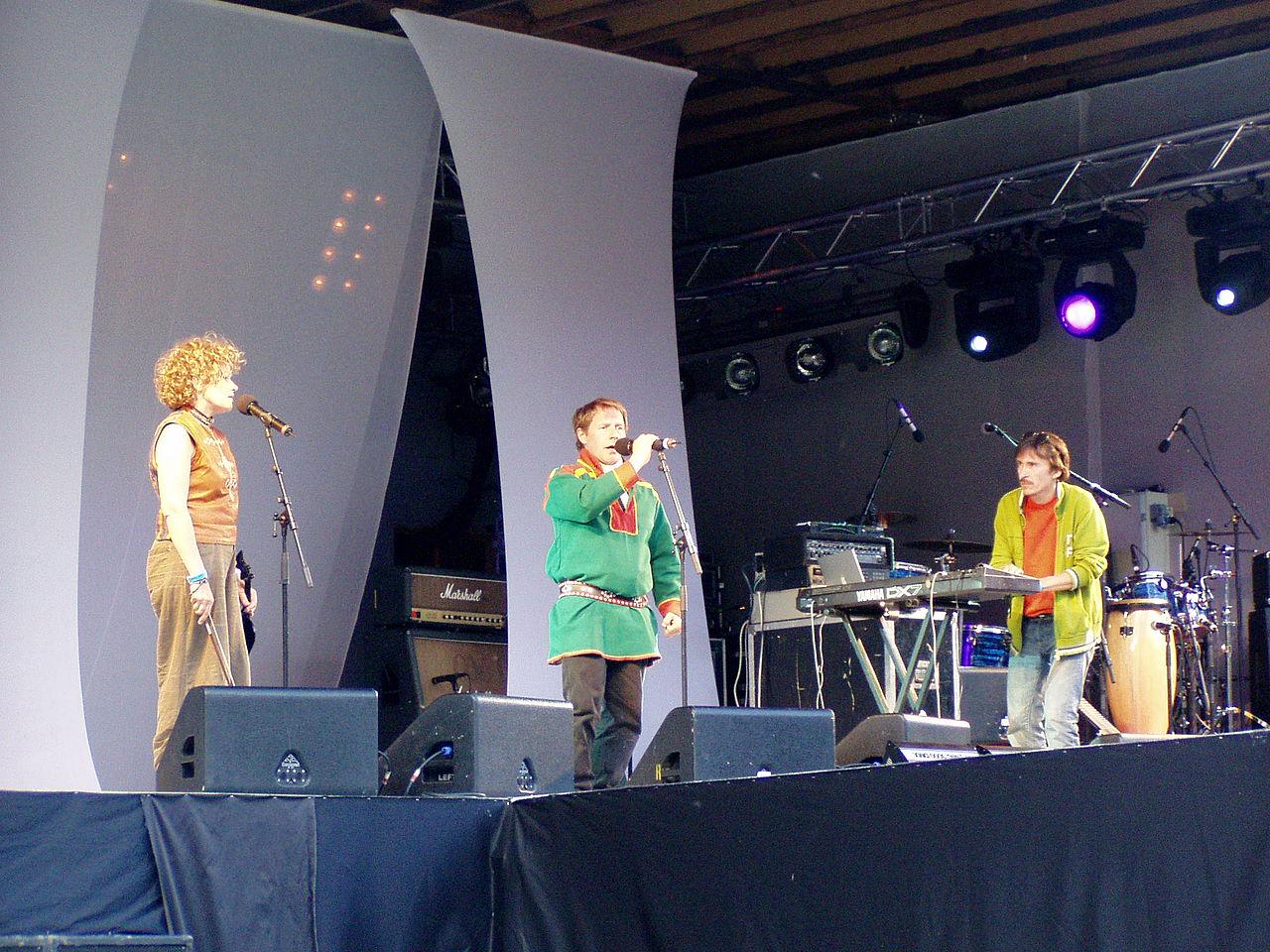
Vajas’ Spotify BioVajas are a contemporary trio performing the traditional music of the Sami, the indigenous peoples of northern Europe such as Laplanders, Reindeer People, and Shamans. Made up of Ánde Somboy (voice), Kristin Mellem (violin/voice), and Nils Johansen (synthesizer), the band's home base is the arctic city of Tromsø, located in northern Norway. The band's sound is characterized by Somboy's "yoiking" (a traditional Sami vocal technique) mixed with the deep, atmospheric musical contributions of Johansen and Mellem. Proponents of Nordic folk culture, that band's members all maintain careers in folk history, music, and even indigenous law. The trio was formed in 2003, first performing in and around Tromsø. They assembled a demo disc shortly thereafter, which enabled the group to secure the backing it would need to produce its debut full-length CD. As they worked toward that goal, Vajas (Echos) became well-known in Sami circles, performing at cultural festivals throughout the region. Over the… course of the next several years their travels would take them far from the frozen tundra they called home, performing at world folk festivals and universities in Taiwan, Morocco, the U.S., and more. Vajas' disc Sacred Stone was released in Norway in October of 2006. The album began appearing on world music charts as early as January of the following year, hitting number four on World Music Charts Europe, where it stayed for three months. The band continued to perform at Nordic and Scandinavian cultural festivals the world over throughout the summer and fall of 2007. ~ Evan C. Gutierrez, Rovi
Viberate is a music analytics platform built for A&Rs, artist managers, labels, booking agents, marketers, and artists.
It helps music professionals track artist growth, analyze audience data, monitor playlist activity, compare artists, follow song performance, and identify opportunities across the music market.
Public artist pages provide a free preview of selected artist data. Paid plans provide access to deeper analytics, historical data, charts, comparisons, playlist tools, exports, alerts, reports, and additional professional features.
Yes. Public Viberate artist pages provide selected artist analytics and music data for free.
Viberate also offers a 7-day free trial of the full platform. A credit card is required to start the trial. The trial includes access to the complete product so users can test deeper artist analytics, historical views, playlist insights, comparisons, charts, exports, alerts, and reporting features before choosing a paid plan.
Viberate provides artist analytics across streaming, playlists, social media, video, radio airplay, songs, and audience markets.
Users can analyze Spotify performance, Spotify and Apple Music playlists, YouTube activity, TikTok and Instagram growth, radio spins, song performance, audience locations, demographics, rankings, and overall artist momentum.
Artist profiles also connect to music charts, similar artists, and comparison tools, helping users benchmark performance and evaluate artists in context.
Viberate updates key artist and track data daily.
For followed artists and tracks, selected data is refreshed multiple times per day. This helps teams monitor playlist changes, streaming movement, audience growth, releases, and campaign performance with more current data.
Update frequency can vary depending on the metric and data source.
Yes. Viberate lets users compare up to five artists side by side across streaming, social media, audience, and engagement metrics.
Users can compare fanbase growth, audience demographics, locations, Spotify performance, social metrics, and other artist data over selected time periods.
Artist comparison can be used for A&R scouting, benchmarking, booking decisions, campaign planning, and evaluating artists with similar audiences or market positions.