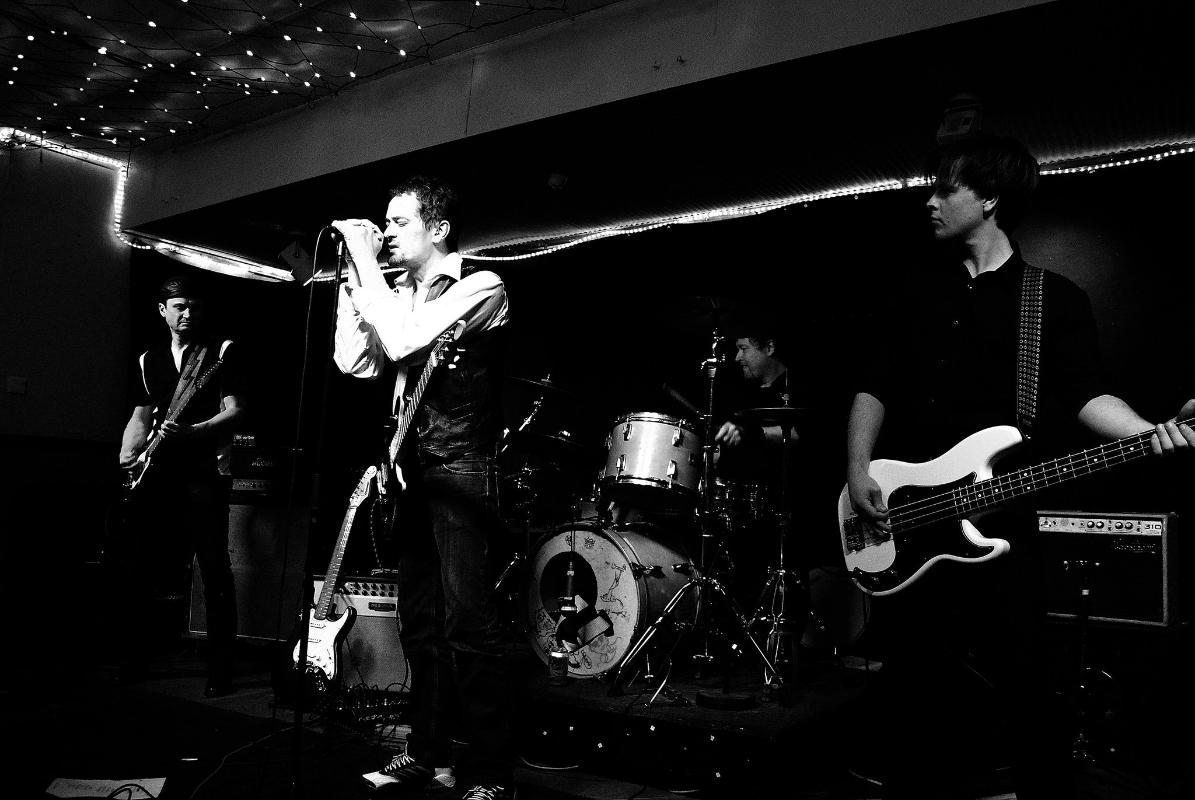
Vacum

Punk
Punk Rock
 Viberate Rank: 597829
 Viberate Rank: 597829
 Monthly ListenersFollowers
 Subscribers
 Followers
 Followers
 FansTop Spotify Songs
| Track | 7-Day Streams | |
|---|---|---|
1 | 135 | |
2 | 90 | |
3 | 83 | |
4 | 82 | |
5 | 58 |
Top YouTube VideosMonthly ListenersFeatured in Playlists| Playlist | Followers | |
|---|---|---|
1 |  Indie pop rocks 🎸 Abundant Playlists | 43.70K |
2 |  Rock FM 2026 | Rock FM 500 | Actualizada Cada Semana HÖUSE | 3.30K |
3 |  The Best Dark Wave and Goth Music Albums (1980-2020) Gothic Bop | 1.07K |
Audience| City | Monthly Listeners | |
|---|---|---|
1 | | 68 |
2 | | 25 |
3 | | 25 |
4 | | 12 |
5 |  | 10 |
See full performance history, audience data, playlist activity, rankings, comparisons, and more in Viberate music analytics. Start with a free trial, then continue with a paid plan.
Vacum’s Spotify BioOne of the early and influential punk band of the northern industrial city of Sundsvall active 1979-1985. Their legacy also includes their still active label - Massproduktion.
Vacum formed in January 1979 when Mats Hammerman and Stephan Segermark met with drummer Cathrine Fandén. During more than six intense years Vacum would do over 150 gigs all over Scandinavia, record three albums, four singles and numerous other tracks on all kinds of compilations. The recordings would take the band from short, quirky punk songs inspired by Wire and The Fall to more straightforward punk with Cathrine and Mats sharing vocals to more experimental electronic postpunk.
Most of the material on the first two album was based on ideas of Cathrine and Stephan that all the others contributed to. After the recordings of the second album - Den Sista Vintern - Cathrine and Sank left the band and Magnus Lindh (former Rasta Hunden) and Patrik Högl joined in. Cathrine formed synthpioneers Dockhuset and Sank went to… USA to become a drummer for Richard Lloyd and later a well-known producer for Thåström and Paradise Lost.
The constant touring resulted in the third album -Flugor och Rosor – being recorded at extreme speed in 1984.
Vacum broke up in June 1985. The band was resurrected in 2018 and released a new album in 2020 - Korståg - where they explored their punk roots. A new single came in 2023. Now there will be a new album out in October 2026
Viberate is a music analytics platform built for A&Rs, artist managers, labels, booking agents, marketers, and artists.
It helps music professionals track artist growth, analyze audience data, monitor playlist activity, compare artists, follow song performance, and identify opportunities across the music market.
Public artist pages provide a free preview of selected artist data. Paid plans provide access to deeper analytics, historical data, charts, comparisons, playlist tools, exports, alerts, reports, and additional professional features.
Yes. Public Viberate artist pages provide selected artist analytics and music data for free.
Viberate also offers a 7-day free trial of the full platform. A credit card is required to start the trial. The trial includes access to the complete product so users can test deeper artist analytics, historical views, playlist insights, comparisons, charts, exports, alerts, and reporting features before choosing a paid plan.
Viberate provides artist analytics across streaming, playlists, social media, video, radio airplay, songs, and audience markets.
Users can analyze Spotify performance, Spotify and Apple Music playlists, YouTube activity, TikTok and Instagram growth, radio spins, song performance, audience locations, demographics, rankings, and overall artist momentum.
Artist profiles also connect to music charts, similar artists, and comparison tools, helping users benchmark performance and evaluate artists in context.
Viberate updates key artist and track data daily.
For followed artists and tracks, selected data is refreshed multiple times per day. This helps teams monitor playlist changes, streaming movement, audience growth, releases, and campaign performance with more current data.
Update frequency can vary depending on the metric and data source.
Yes. Viberate lets users compare up to five artists side by side across streaming, social media, audience, and engagement metrics.
Users can compare fanbase growth, audience demographics, locations, Spotify performance, social metrics, and other artist data over selected time periods.
Artist comparison can be used for A&R scouting, benchmarking, booking decisions, campaign planning, and evaluating artists with similar audiences or market positions.