Už jsme doma

Punk
Punk Rock
Other Electronic Music
 Viberate Rank: 250057
 Viberate Rank: 250057
 Monthly ListenersFollowers
 Subscribers
 Followers
 Followers
 FansTop Spotify Songs
| Track | 7-Day Streams | |
|---|---|---|
1 | 465 | |
2 | 359 | |
3 | 358 | |
4 | 308 | |
5 | 304 |
Top YouTube VideosMonthly ListenersFeatured in Playlists| Playlist | Followers | |
|---|---|---|
1 |  Hifi audiophile - sound test Jakub Pavlík | 2.26K |
2 |  Aftershow-Playlist: Musik zum BEICHTSTUHL Podcast Hämatom | 1.19K |
Audience| City | Monthly Listeners | |
|---|---|---|
1 | | 1.24K |
2 | | 205 |
3 |  | 98 |
4 | | 68 |
5 | | 65 |
See full performance history, audience data, playlist activity, rankings, comparisons, and more in Viberate music analytics. Start with a free trial, then continue with a paid plan.
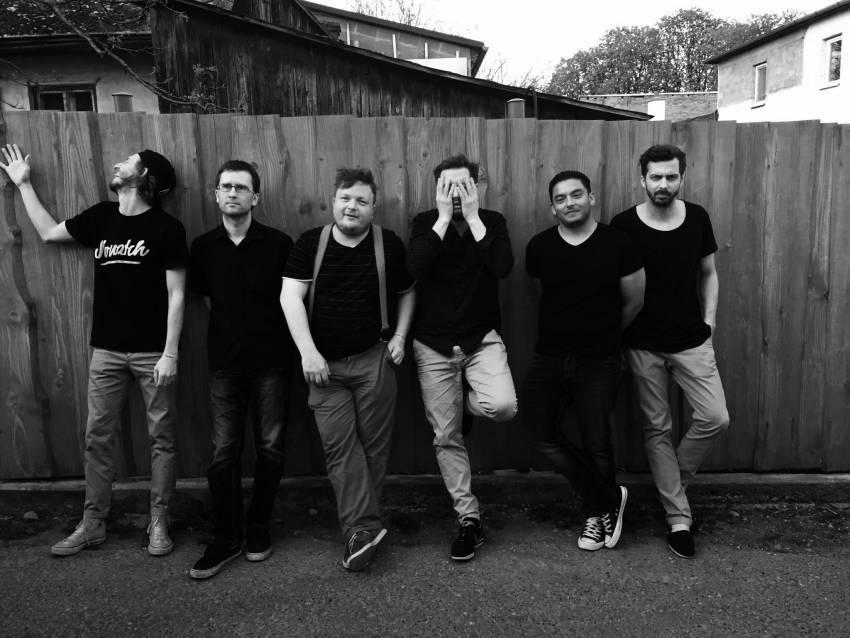
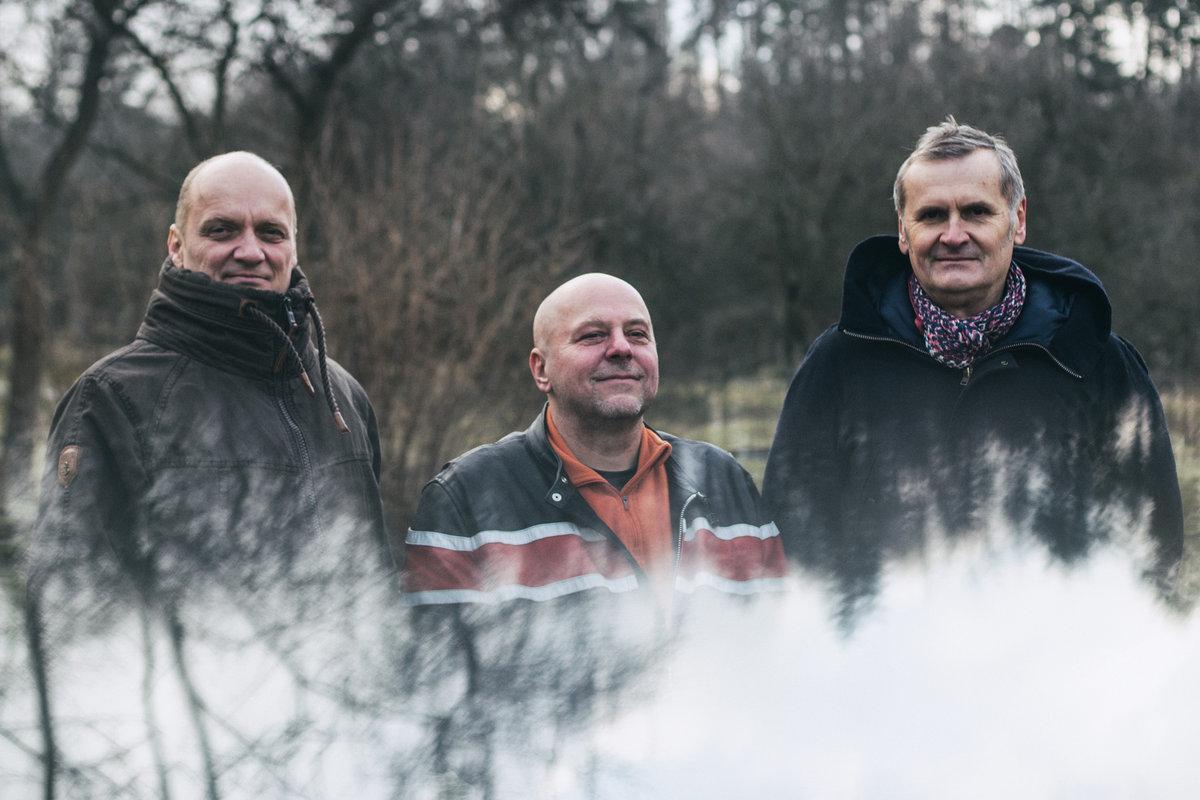
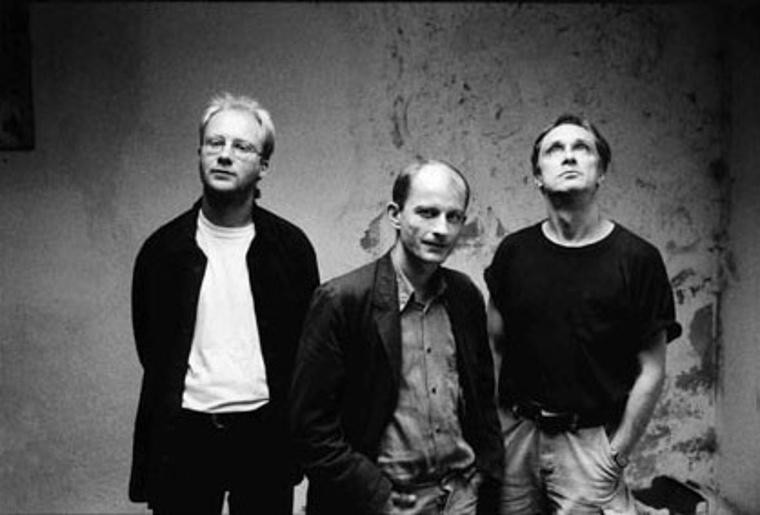
Už jsme doma’s Spotify BioUz Jsme Doma spent the first years of its existence in underground Czechoslovakia. After the Velvet Revolution it was one of the first groups to storm out and establish an alternative rock sound for the new republic. Along with Plastic People of the Universe they became ambassadors of Central European rock, frequently touring the U.S. and establishing a cult following in America. If the PPU embody the Communist repression of the 1970s and 1980s in their gloomy, despair-driven music, then Uz Jsme Doma represents the exuberance of liberation. Punk in spirit, activists at heart, and strongly avant-garde in their dissonances, complex songs, and humor, they are the Czech Republic's best group of the 1990s.
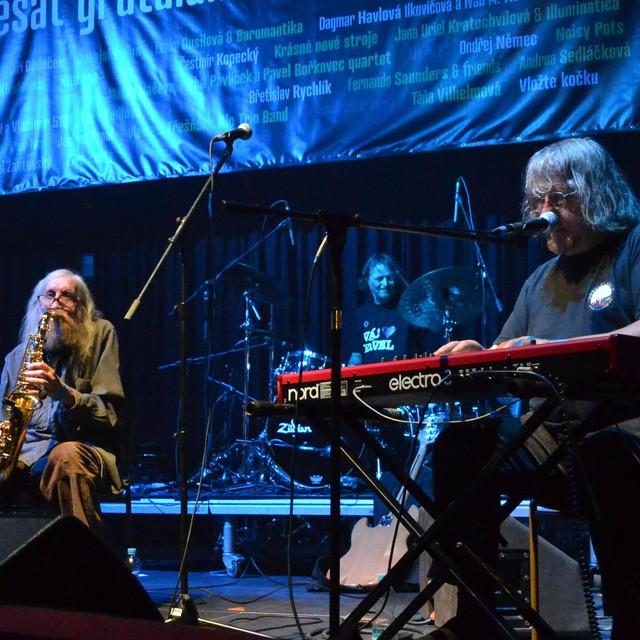
Jindra Dolansky (saxophone, vocals) started Uz Jsme Doma in 1985 in the border town of Teplice. The group's name comes from a Czech expression that loosely translates into "now we're at home" (meaning "now I get it"). Stamped "antisocial" by the Communist government, the group spent its… first years playing illegal concerts, going through numerous changes in their lineup, and writing an impressive repertoire of avant-punk songs influenced by Pere Ubu, the Residents, the Sex Pistols, and the Rock-in-Opposition movement. In the wake of the student protest of November 17, 1989, and the precipitated events that ensued, Uz Jsme Doma rose as a symbol of new times. They performed in front of 15,000 people on December 3 and soon co-leader, lyricist, and lead singer Miroslav Wanek was drafted by the interim government of the group's hometown.
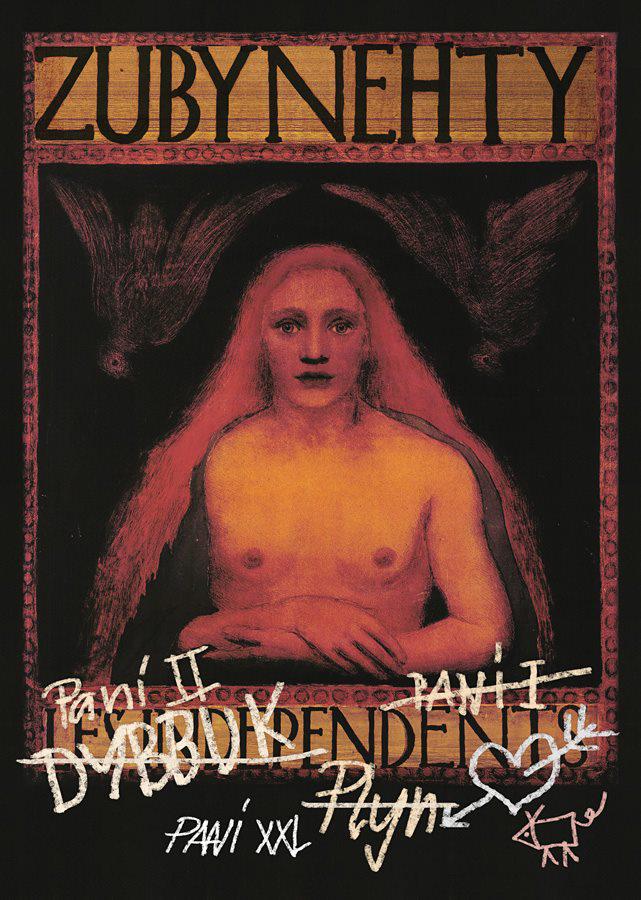
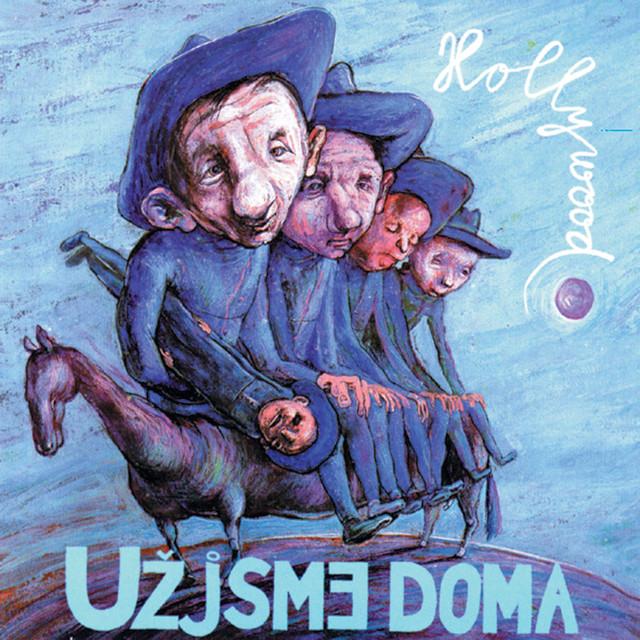
The end of the Communist era meant the group was now able to record. Uprostred Slov (1990) and Nemilovany Svet (1991) were quickly committed to tape. These years saw the group's lineup stabilize around Wanek, Dolansky, saxophonist Alice Kalousková, guitarist Romek Hanzlík, bassist Pavel Kerka, and drummer Pavel Pavlicek. Even though painter Martin Velisek never played a note with the band, he has always been considered a full-time member. His artwork has been instrumental in establishing the group's identity.
As early as 1991, Uz Jsme Doma embarked on a never-ending touring schedule that quickly took them to America, building a following in New York and on the West Coast, and earning them a reputation as "touring monsters." In 1992 an English version of Nemilovany Svet (Unloved World) was released in the U.S., which in turn led to a contract with BMG for the recording and release of Hollywood. Disenchanted with the major label's lack of support, the group signed with Czech label Indies and released Pohádky ze Zapotrebí (1996). This album introduced a new rhythm section in bassist Jan Cerha and drummer Milan Novy. The group made many visits to America during this period, appearing in the Residents' tour/album/CD-ROM Freak Show in which they played the circus band, and recorded a live album, Vancouver 1997. Hanzlik quit shortly after. For the 1999 CD Usi, Wanek and Dolansky revamped the band by hiring Radek Podvesky (guitar) and Petr Böhm (drums). ~ François Couture, Rovi
Viberate is a music analytics platform built for A&Rs, artist managers, labels, booking agents, marketers, and artists.
It helps music professionals track artist growth, analyze audience data, monitor playlist activity, compare artists, follow song performance, and identify opportunities across the music market.
Public artist pages provide a free preview of selected artist data. Paid plans provide access to deeper analytics, historical data, charts, comparisons, playlist tools, exports, alerts, reports, and additional professional features.
Yes. Public Viberate artist pages provide selected artist analytics and music data for free.
Viberate also offers a 7-day free trial of the full platform. A credit card is required to start the trial. The trial includes access to the complete product so users can test deeper artist analytics, historical views, playlist insights, comparisons, charts, exports, alerts, and reporting features before choosing a paid plan.
Viberate provides artist analytics across streaming, playlists, social media, video, radio airplay, songs, and audience markets.
Users can analyze Spotify performance, Spotify and Apple Music playlists, YouTube activity, TikTok and Instagram growth, radio spins, song performance, audience locations, demographics, rankings, and overall artist momentum.
Artist profiles also connect to music charts, similar artists, and comparison tools, helping users benchmark performance and evaluate artists in context.
Viberate updates key artist and track data daily.
For followed artists and tracks, selected data is refreshed multiple times per day. This helps teams monitor playlist changes, streaming movement, audience growth, releases, and campaign performance with more current data.
Update frequency can vary depending on the metric and data source.
Yes. Viberate lets users compare up to five artists side by side across streaming, social media, audience, and engagement metrics.
Users can compare fanbase growth, audience demographics, locations, Spotify performance, social metrics, and other artist data over selected time periods.
Artist comparison can be used for A&R scouting, benchmarking, booking decisions, campaign planning, and evaluating artists with similar audiences or market positions.