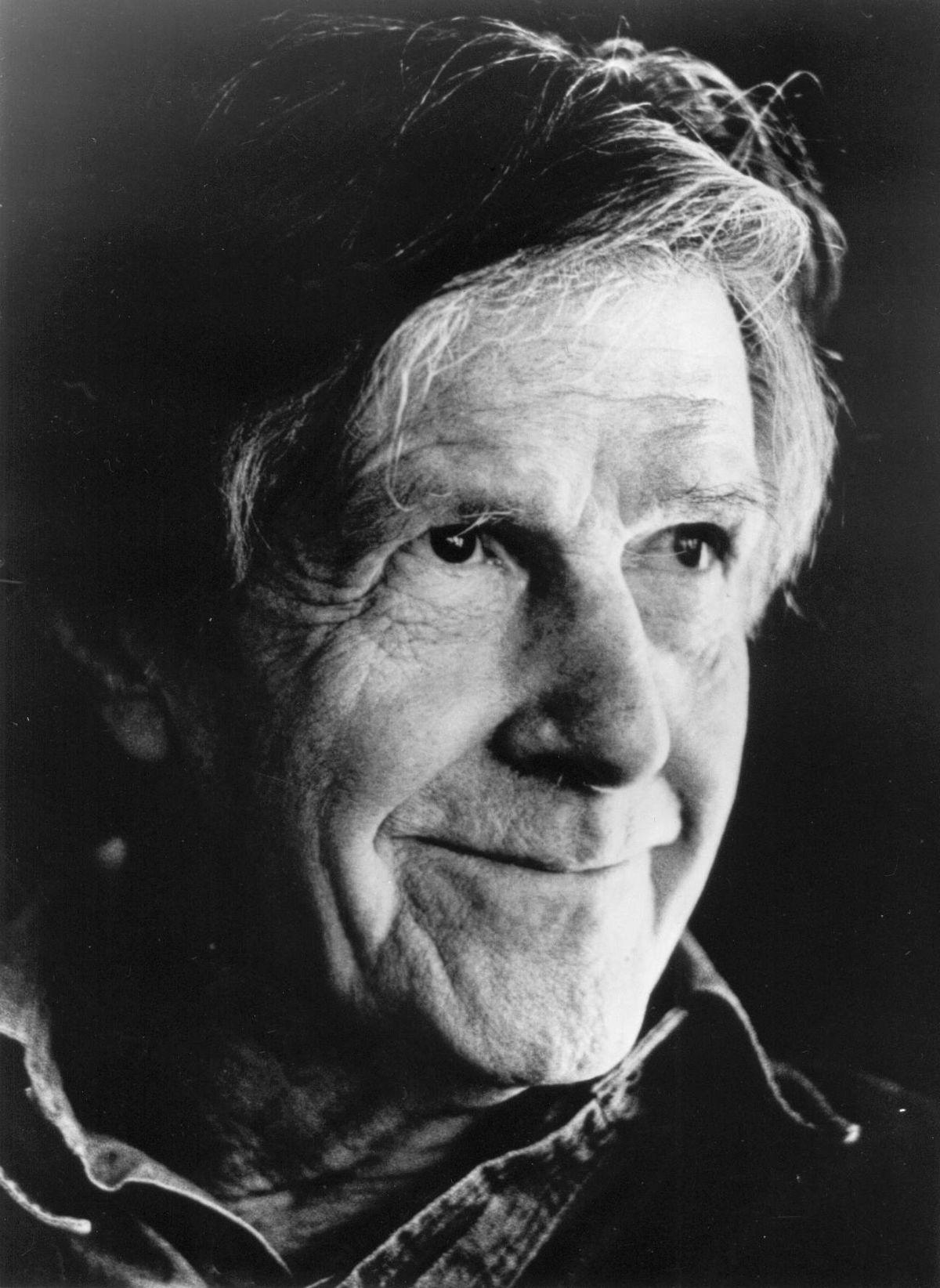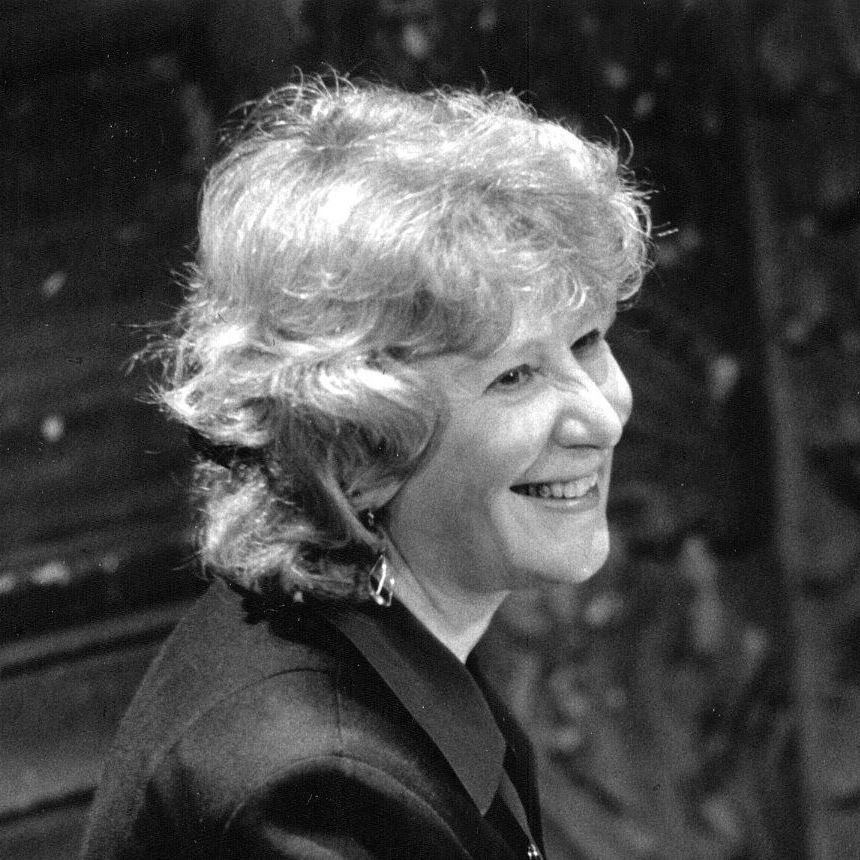
Ursula Oppens

Classical
Classical Crossover
 Viberate Rank: 246109
 Viberate Rank: 246109
 Monthly ListenersFollowers
 Subscribers
 Followers
 Followers
 FansTop Spotify Songs
| Track | 7-Day Streams | |
|---|---|---|
1 | 2.14K | |
2 | 1.42K | |
3 | 408 | |
4 | 396 | |
5 | 320 |
Top YouTube VideosMonthly ListenersFeatured in Playlists| Playlist | Followers | |
|---|---|---|
1 | 1200 Years of Women Composers Ulysses' Classical | 14.93K |
2 |  Contemporary Classical Felix Rösch | 14.80K |
3 |  NPR Classical NPR Music | 14.43K |
4 |  Neo Classicals Alen Golpashin | 7.79K |
5 |  Share the Joy Bahram | 5.98K |
Audience| City | Monthly Listeners | |
|---|---|---|
1 |  | 545 |
2 | | 400 |
3 |  | 302 |
4 | | 253 |
5 |  | 244 |
See full performance history, audience data, playlist activity, rankings, comparisons, and more in Viberate music analytics. Start with a free trial, then continue with a paid plan.
Ursula Oppens’ Spotify BioPianist Ursula Oppens has dedicated most of her career to performing, recording, and generally working to advance contemporary keyboard literature; many of the most prestigious contemporary composers have dedicated new music to her. At this writing, Oppens has been nominated for Grammy Awards five times.
Oppens was born in New York on February 2, 1944. Her first lessons came from her mother, Edith Oppens, a well-known piano teacher, and she later studied with Leonard Shure. Ursula attended Radcliffe College in Massachusetts, graduating in 1965, and then, settling on a career in music, enrolled in master's degree studies at the Juilliard School in New York. Her teachers there included Rosa Lhévinne and Felix Galimir, and she earned her degree in 1967. She made her New York debut in 1969 and also won first prize that year at the Busoni International Piano Competition. Interested in contemporary music from the beginning, she founded the ensemble Speculum Musicae in 1971 and remained with… the group until 1982. In 1978, Oppens made her recording debut on the Piano Classics label with Frederic Rzewski's monumental The People United Will Never Be Defeated! Oppens is notable for the wide range of A-list composers who have written works for her; these include not only Americans, such as Charles Wuorinen, Elliott Carter, and Conlon Nancarrow, but also György Ligeti and Witold Lutosławski. From 1994 to 2008, she was on the piano faculty at Northwestern University, and she also taught courses at the Tanglewood Music Festival's influential summer music institute for some years.
Oppens is especially well known for her large recording catalog. Her releases have mostly but not exclusively been devoted to contemporary music. The Rzewski album garnered a Grammy Award nomination, and Oppens has gone on to earn four more nominations: for Carter: Night Fantasies / Adams: Phrygian Gates (1990), Oppens Plays Carter (2009), Winging It -- Piano Music of John Corigliano (2011), and a second recording of The People United Will Never Be Defeated! in 2015. Oppens has recorded for Cedille, ECM, Arte Nova, and many other labels. Remaining active well into old age, Oppens released the album Fantasy: Oppens Plays Kaminsky on Cedille in 2021. She returned in 2024, backing violinist Rolf Schulte on the Centaur album American Violin Music: 1947 to 2000. By that time, her recording catalog comprised some 30 items. ~ James Manheim, Rovi
Viberate is a music analytics platform built for A&Rs, artist managers, labels, booking agents, marketers, and artists.
It helps music professionals track artist growth, analyze audience data, monitor playlist activity, compare artists, follow song performance, and identify opportunities across the music market.
Public artist pages provide a free preview of selected artist data. Paid plans provide access to deeper analytics, historical data, charts, comparisons, playlist tools, exports, alerts, reports, and additional professional features.
Yes. Public Viberate artist pages provide selected artist analytics and music data for free.
Viberate also offers a 7-day free trial of the full platform. A credit card is required to start the trial. The trial includes access to the complete product so users can test deeper artist analytics, historical views, playlist insights, comparisons, charts, exports, alerts, and reporting features before choosing a paid plan.
Viberate provides artist analytics across streaming, playlists, social media, video, radio airplay, songs, and audience markets.
Users can analyze Spotify performance, Spotify and Apple Music playlists, YouTube activity, TikTok and Instagram growth, radio spins, song performance, audience locations, demographics, rankings, and overall artist momentum.
Artist profiles also connect to music charts, similar artists, and comparison tools, helping users benchmark performance and evaluate artists in context.
Viberate updates key artist and track data daily.
For followed artists and tracks, selected data is refreshed multiple times per day. This helps teams monitor playlist changes, streaming movement, audience growth, releases, and campaign performance with more current data.
Update frequency can vary depending on the metric and data source.
Yes. Viberate lets users compare up to five artists side by side across streaming, social media, audience, and engagement metrics.
Users can compare fanbase growth, audience demographics, locations, Spotify performance, social metrics, and other artist data over selected time periods.
Artist comparison can be used for A&R scouting, benchmarking, booking decisions, campaign planning, and evaluating artists with similar audiences or market positions.