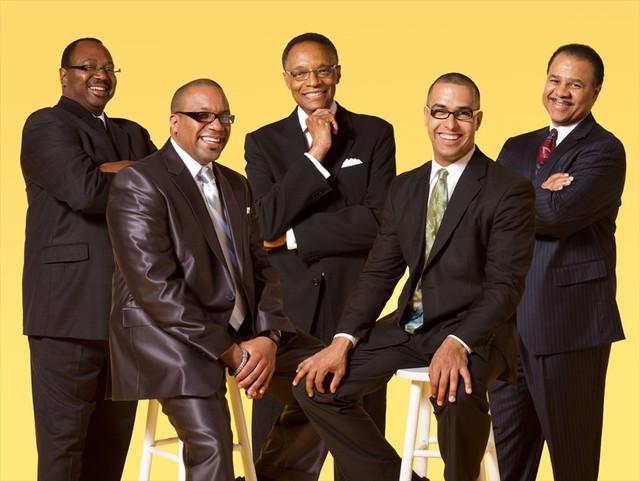
Urban Knights

Jazz
Smooth Jazz
Contemporary R&B
 Viberate Rank: 120084
 Viberate Rank: 120084
 Monthly ListenersFollowers
 Subscribers
 Followers
 Followers
 FansTop Spotify Songs
| Track | 7-Day Streams | |
|---|---|---|
1 | 14.48K | |
2 | 13.20K | |
3 | 6.68K | |
4 | 5.99K | |
5 | 5.37K |
Top YouTube VideosMonthly ListenersFeatured in Playlists| Playlist | Followers | |
|---|---|---|
1 |  Smooth Jazz Classics Spotify | 194.30K |
2 |  Smooth Jazz - Instrumental Pekka Martikainen | 141.77K |
3 |  Smooth Jazz ¤ The Best onaraya | 33.95K |
4 | Cool Smooth Jazz With Soul Gerden | 21.39K |
5 |  R&B IN JAZZ VIIDOM | 19.71K |
Audience| City | Monthly Listeners | |
|---|---|---|
1 |  | 1.45K |
2 | | 1.25K |
3 | | 1.23K |
4 | | 1.14K |
5 | | 1.12K |
See full performance history, audience data, playlist activity, rankings, comparisons, and more in Viberate music analytics. Start with a free trial, then continue with a paid plan.
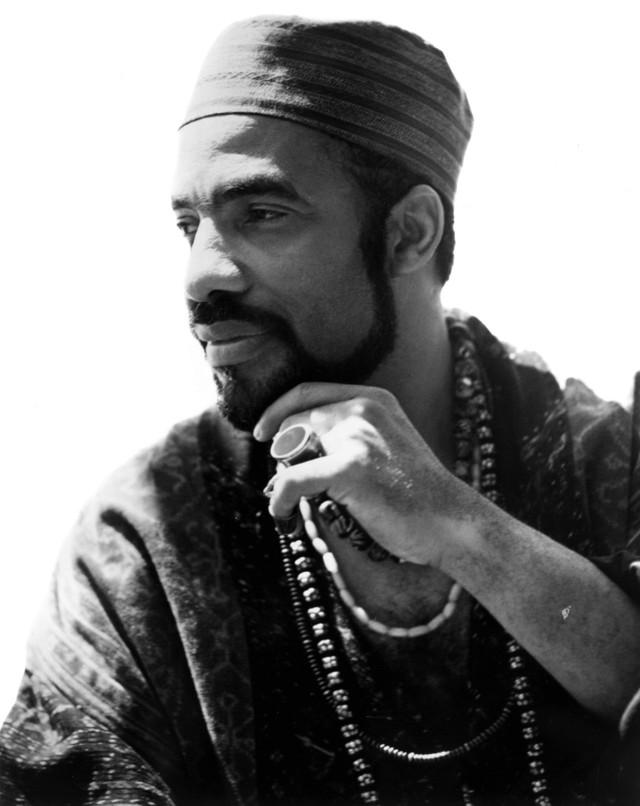
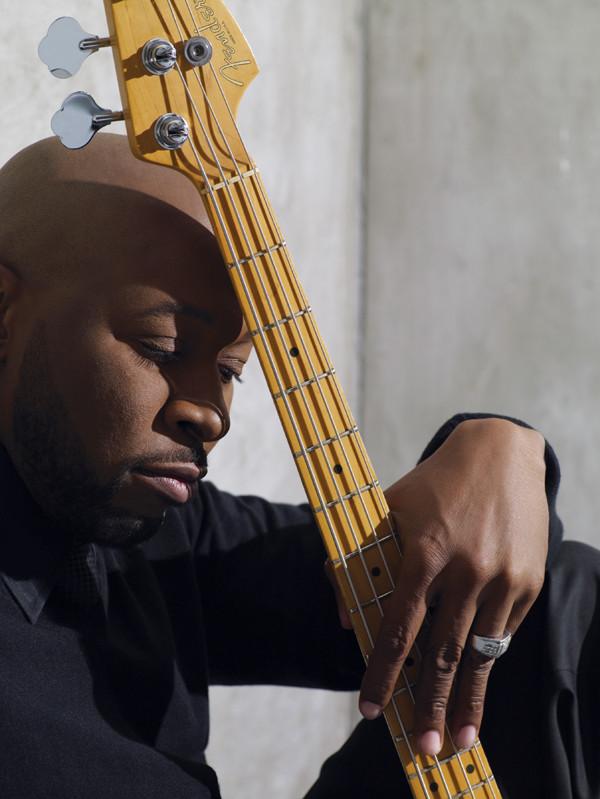
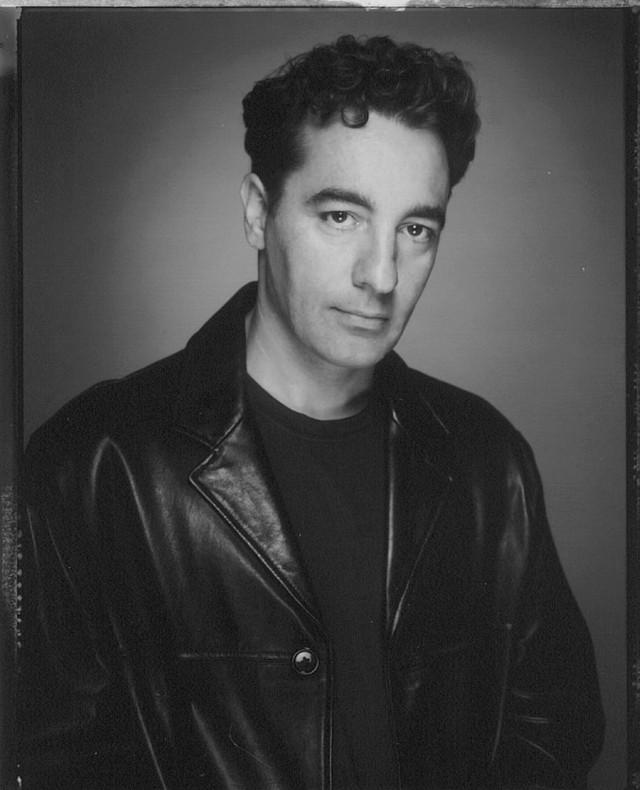
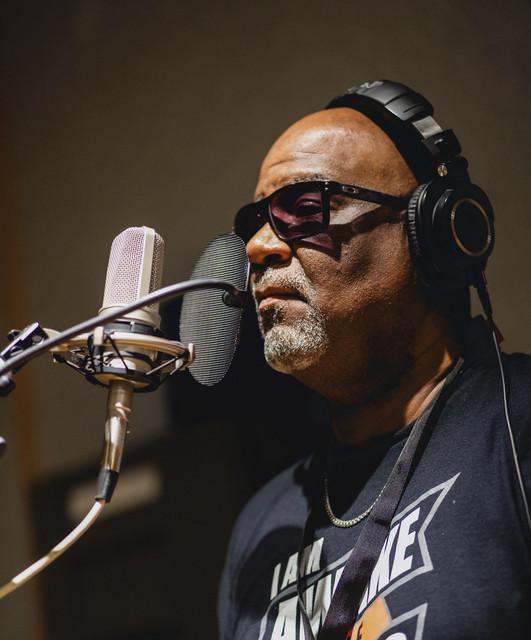
Urban Knights’ Spotify BioAn all-star collective featuring pianist Ramsey Lewis, Urban Knights make funky crossover jazz in the spirit of Lewis' '70s and '80s albums, as well as the work of band's like the Blackbyrds and the Jazz Crusaders. With Lewis at the group's core, Urban Knights have issued a bevy of Top 20 Billboard jazz albums including 1995's Urban Knights I, 2001's Urban Knights IV, and 2005's Urban Knights V.
Formed in 1995, Urban Knights was initially conceived as a showcase for Lewis and a rotating cast of guest artists. The group's debut album, Urban Knights I, arrived that same year on GRP and featured production by Earth, Wind & Fire's Maurice White. Joining Lewis were a bevy of name performers including Grover Washington, Jr., Omar Hakim, Freddie Hubbard, and others. The album reached number five on the Billboard Jazz Albums chart. Urban Knights II followed two years later and again found Lewis working with producer White. Also coming on board was the pianist's son, keyboardist Frayne Lewis.… The album reached number seven on the jazz chart and featured guest appearances by Gerald Albright, Najee, Jonathan Butler, and more.
For 2000's Urban Knights III, Lewis moved the group to Narada Records and enlisted a handful of Chicago-area pros including son Frayne Lewis, keyboardist Kevin Randolph, bassist Sharay Reed, drummer Calvin Rogers, and percussionist Alejo Poveda. Also featured are the all-female vocal group the Staples (cousins of the famed Staple Singers), saxophonist Dave Koz, and guitarists Earl Klugh and Fareed Haque. The album peaked at number four on the jazz charts. A year later, Lewis and the group returned with Urban Knights IV. Joining the ensemble was one-time Donald Byrd protégé trumpeter Ron Haynes, as well as guest performer guitarist Norman Brown. Showcasing a funky sound reminiscent of Donald Byrd's Blackbyrds group, the album peaked at number two on the Billboard Jazz Albums chart.
With 2002's The Chicago Project, Lewis stepped back from Urban Knights and handed leadership over to his son, keyboardist/producer Frayne Lewis. Also included in the lineup were returning members trumpeter Haynes, bassist Reed, guitarist Haque, and keyboardist Randolph. The elder Lewis returned the following year for Urban Knights V, which featured appearances by saxophonist Kenny Garrett, vocalist Michelle Williams, and trumpeter Orbert Davis. Lewis was again on board for 2005's Urban Knights VI, executive producing and performing on several tracks with keyboardist Randolph, noted Chicago guitarist Bobby Broom, bassist Maurice Fitzgerald, drummer Quinjuan Anderson, and saxophonist Nick Bisesi. The album peaked at number six on the Billboard jazz chart. Following an extended period away from the group, Lewis put together another Urban Knights lineup for 2019's Urban Knights VII, bringing on board guitarist Henry Johnson, keyboardist Tim Gant, bassist Joshua Ramos, and drummer Charles Heath. Also included were vocalist Dee Alexander and trumpeter Maurice Brown. Along with original songs, the album featured reworkings of classic songs by John Coltrane, Chick Corea, and the Beatles. ~ Matt Collar, Rovi
Viberate is a music analytics platform built for A&Rs, artist managers, labels, booking agents, marketers, and artists.
It helps music professionals track artist growth, analyze audience data, monitor playlist activity, compare artists, follow song performance, and identify opportunities across the music market.
Public artist pages provide a free preview of selected artist data. Paid plans provide access to deeper analytics, historical data, charts, comparisons, playlist tools, exports, alerts, reports, and additional professional features.
Yes. Public Viberate artist pages provide selected artist analytics and music data for free.
Viberate also offers a 7-day free trial of the full platform. A credit card is required to start the trial. The trial includes access to the complete product so users can test deeper artist analytics, historical views, playlist insights, comparisons, charts, exports, alerts, and reporting features before choosing a paid plan.
Viberate provides artist analytics across streaming, playlists, social media, video, radio airplay, songs, and audience markets.
Users can analyze Spotify performance, Spotify and Apple Music playlists, YouTube activity, TikTok and Instagram growth, radio spins, song performance, audience locations, demographics, rankings, and overall artist momentum.
Artist profiles also connect to music charts, similar artists, and comparison tools, helping users benchmark performance and evaluate artists in context.
Viberate updates key artist and track data daily.
For followed artists and tracks, selected data is refreshed multiple times per day. This helps teams monitor playlist changes, streaming movement, audience growth, releases, and campaign performance with more current data.
Update frequency can vary depending on the metric and data source.
Yes. Viberate lets users compare up to five artists side by side across streaming, social media, audience, and engagement metrics.
Users can compare fanbase growth, audience demographics, locations, Spotify performance, social metrics, and other artist data over selected time periods.
Artist comparison can be used for A&R scouting, benchmarking, booking decisions, campaign planning, and evaluating artists with similar audiences or market positions.