Urban Cookie Collective

Electronic
Dance
Tech House
 Viberate Rank: 53250
 Viberate Rank: 53250
 Monthly ListenersFollowers
 Subscribers
 Followers
 Followers
 FansTop Spotify Songs
| Track | 7-Day Streams | |
|---|---|---|
1 | 126.82K | |
2 | 21.16K | |
3 | 8.48K | |
4 | 2.20K | |
5 | 1.37K |
Top YouTube VideosMonthly ListenersFeatured in Playlists| Playlist | Followers | |
|---|---|---|
1 |  90s Dance Party Spotify | 1.55M |
2 |  90's Workout Spotify | 645.38K |
3 |  90s House Classics Spotify | 619.30K |
4 |  100% Floorfillers Spotify | 398.56K |
5 |  Eurodance 90s 💥 Party Songs Filtr Sweden | 336.77K |
Audience| City | Monthly Listeners | |
|---|---|---|
1 | | 17.69K |
2 | | 12.89K |
3 |  | 8.30K |
4 | | 8.22K |
5 | | 8.19K |
See full performance history, audience data, playlist activity, rankings, comparisons, and more in Viberate music analytics. Start with a free trial, then continue with a paid plan.
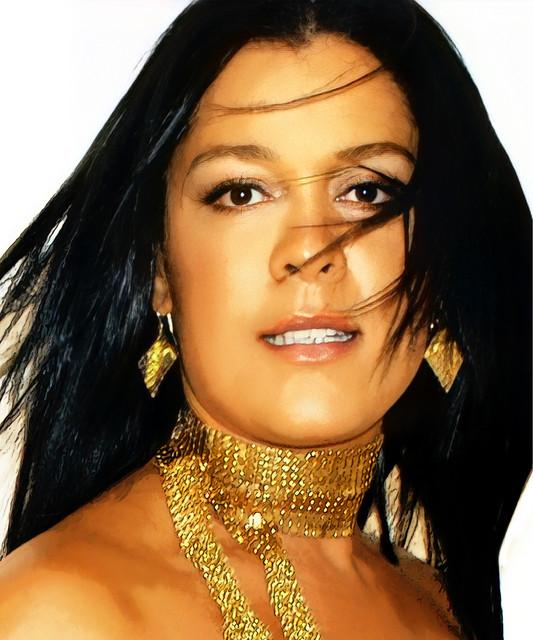
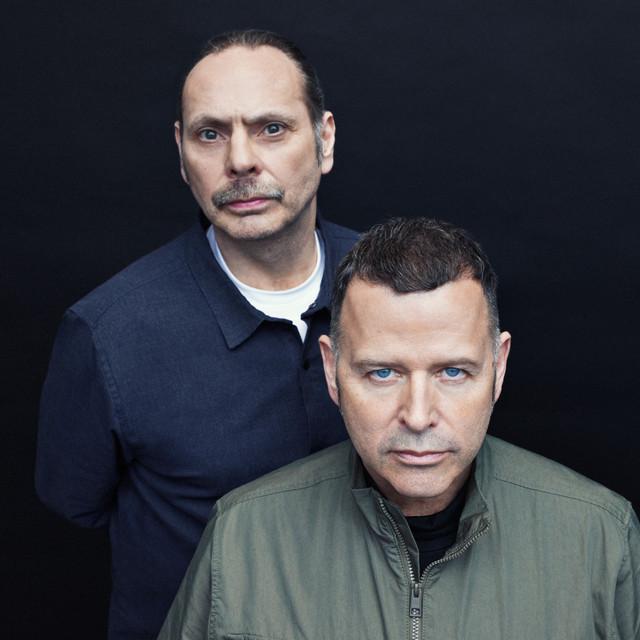
Urban Cookie Collective’s Spotify BioThe band was founded by Rohan Heath (born 19 July 1964). He learned to play classical piano as a child before switching to the electric piano. He had previous experience with groups such as Yargo and Manchester DJ A Guy Called Gerald.
After a tour of Japan supporting the Happy Mondays, he left the band A Guy Called Gerald to work with the rave band Together. Heath went on to work with Jamaican reggae artist Eek-A-Mouse before concentrating on his new project, Urban Cookie Collective. He was the keyboardist, writer, and producer of their music.
Heath wrote and produced their first hits, "The Key the Secret" and "Feels Like Heaven". He brought in vocalist Diane Charlemagne for many of the group's early tracks. She eventually co-wrote some of the songs and became a major part of the band. Band members include Simon Bentall, Peter Samson, Johnny Jay, Mark Hadfield and Neil Claxton (later of Mint Royale) and Danielle Barnett.
The band caused some controversy in 1996 by recording a cover… version of the Oasis song "Champagne Supernova". Noel Gallagher, one of the founding members of Oasis, claimed that he had not given permission and legal action stopped the track from being given a full release.
In 2014, Charlemagne was diagnosed with kidney cancer. She sadly died of the disease on 28 October 2015, aged 51.
Members include :
Rohan Heath
Simon Bentall
Neil Claxton
Peter Samson
Johnny Jay
Danielle Barnett
Mark Hadfield
Viberate is a music analytics platform built for A&Rs, artist managers, labels, booking agents, marketers, and artists.
It helps music professionals track artist growth, analyze audience data, monitor playlist activity, compare artists, follow song performance, and identify opportunities across the music market.
Public artist pages provide a free preview of selected artist data. Paid plans provide access to deeper analytics, historical data, charts, comparisons, playlist tools, exports, alerts, reports, and additional professional features.
Yes. Public Viberate artist pages provide selected artist analytics and music data for free.
Viberate also offers a 7-day free trial of the full platform. A credit card is required to start the trial. The trial includes access to the complete product so users can test deeper artist analytics, historical views, playlist insights, comparisons, charts, exports, alerts, and reporting features before choosing a paid plan.
Viberate provides artist analytics across streaming, playlists, social media, video, radio airplay, songs, and audience markets.
Users can analyze Spotify performance, Spotify and Apple Music playlists, YouTube activity, TikTok and Instagram growth, radio spins, song performance, audience locations, demographics, rankings, and overall artist momentum.
Artist profiles also connect to music charts, similar artists, and comparison tools, helping users benchmark performance and evaluate artists in context.
Viberate updates key artist and track data daily.
For followed artists and tracks, selected data is refreshed multiple times per day. This helps teams monitor playlist changes, streaming movement, audience growth, releases, and campaign performance with more current data.
Update frequency can vary depending on the metric and data source.
Yes. Viberate lets users compare up to five artists side by side across streaming, social media, audience, and engagement metrics.
Users can compare fanbase growth, audience demographics, locations, Spotify performance, social metrics, and other artist data over selected time periods.
Artist comparison can be used for A&R scouting, benchmarking, booking decisions, campaign planning, and evaluating artists with similar audiences or market positions.