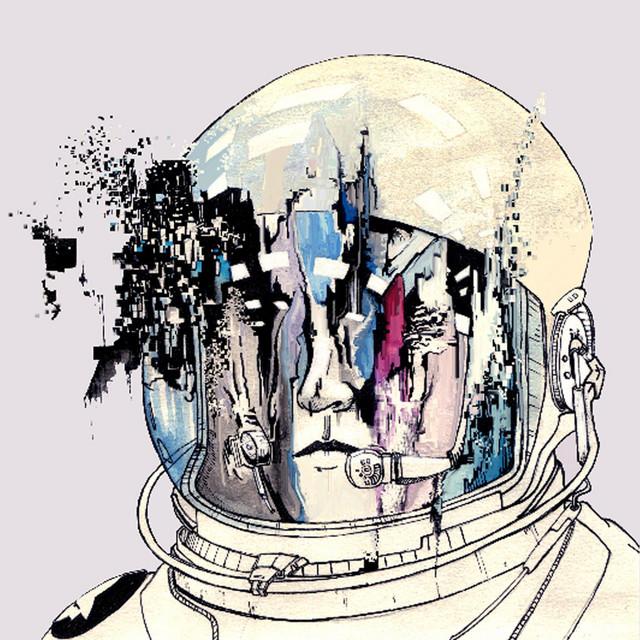
Unicorn Kid

Electronic
Dance
Indie Pop
Other Electronic Music
 Viberate Rank: 170581
 Viberate Rank: 170581
 Monthly ListenersFollowers
 Subscribers
 Followers
 Followers
 FansTop Spotify Songs
| Track | 7-Day Streams | |
|---|---|---|
1 | 739 | |
2 | 445 | |
3 | 425 | |
4 | 352 | |
5 | 313 |
Top YouTube VideosMonthly ListenersFeatured in Playlists| Playlist | Followers | |
|---|---|---|
1 |  Chiptunes - Press ▶️ to play aofd3 | 25.34K |
2 |  The Sound of Indietronica The Sounds of Spotify | 19.28K |
3 |  TRUE 2013 TUMBLR ERA celestialyouth | 13.72K |
4 |  ChipTune (+[]::) Antonio Gonzálvez | 12.86K |
5 |  Scene Kid MySpace Throwbacks Kitty Voorhees | 11.83K |
Audience| City | Monthly Listeners | |
|---|---|---|
1 | | 110 |
2 |  | 86 |
3 |  | 77 |
4 | | 75 |
5 | | 74 |
See full performance history, audience data, playlist activity, rankings, comparisons, and more in Viberate music analytics. Start with a free trial, then continue with a paid plan.
Unicorn Kid’s Spotify BioEnergetic 8-bit house producer and Leith, Scotland native Oliver Sabin, who records as Unicorn Kid, made a hefty name for himself on the internet by the age of 16. He released his debut, the Lion Hat EP, in 2008, accompanied by cute photos where he was posed wearing a stuffed lion headpiece. What started as a publicity stunt evolved into his be-all image, and at first he embraced it, ordering a thousand similarly designed hats from China to sell on his merch table. By the next year, he had released a full-length debut titled Wee Monsters, and concurrently remixed a Pet Shop Boys single, which landed him a spot on Ministry of Sound in his final year of high school. Shortly after a finishing a 12”, fears of becoming known as a novelty act grew and Sabin ditched the hat and the label. dying his hair peach and shaving a yin-yang in the back of his head for a fresh new start. For his next outing, Tidal Rave, he made a change in his music as well, enlisting peppy vocalists to accompany his… tropical take on chiptune. The EP was made available as a free download in 2011. ~ Jason Lymangrover, Rovi
Viberate is a music analytics platform built for A&Rs, artist managers, labels, booking agents, marketers, and artists.
It helps music professionals track artist growth, analyze audience data, monitor playlist activity, compare artists, follow song performance, and identify opportunities across the music market.
Public artist pages provide a free preview of selected artist data. Paid plans provide access to deeper analytics, historical data, charts, comparisons, playlist tools, exports, alerts, reports, and additional professional features.
Yes. Public Viberate artist pages provide selected artist analytics and music data for free.
Viberate also offers a 7-day free trial of the full platform. A credit card is required to start the trial. The trial includes access to the complete product so users can test deeper artist analytics, historical views, playlist insights, comparisons, charts, exports, alerts, and reporting features before choosing a paid plan.
Viberate provides artist analytics across streaming, playlists, social media, video, radio airplay, songs, and audience markets.
Users can analyze Spotify performance, Spotify and Apple Music playlists, YouTube activity, TikTok and Instagram growth, radio spins, song performance, audience locations, demographics, rankings, and overall artist momentum.
Artist profiles also connect to music charts, similar artists, and comparison tools, helping users benchmark performance and evaluate artists in context.
Viberate updates key artist and track data daily.
For followed artists and tracks, selected data is refreshed multiple times per day. This helps teams monitor playlist changes, streaming movement, audience growth, releases, and campaign performance with more current data.
Update frequency can vary depending on the metric and data source.
Yes. Viberate lets users compare up to five artists side by side across streaming, social media, audience, and engagement metrics.
Users can compare fanbase growth, audience demographics, locations, Spotify performance, social metrics, and other artist data over selected time periods.
Artist comparison can be used for A&R scouting, benchmarking, booking decisions, campaign planning, and evaluating artists with similar audiences or market positions.