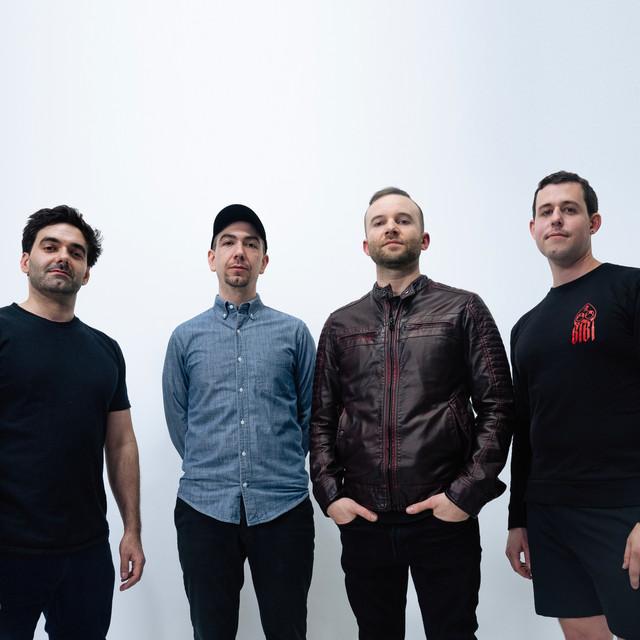
Uneven Structure

Metal
Progressive Metal
 Viberate Rank: 166781
 Viberate Rank: 166781
 Monthly ListenersFollowers
 Subscribers
 Followers
 Followers
 FansTop YouTube VideosMonthly ListenersFeatured in Playlists
| Playlist | Followers | |
|---|---|---|
1 |  The Sound of Everything The Sounds of Spotify | 53.81K |
2 | Djent E | 14.29K |
3 | Prog Metal Giovanni Pignato | 13.71K |
4 | Djent/Progressive/Metalcore/Deathcore Jonas Vikkelsø Henriksen | 9.06K |
5 |  Post Metal Laura | 7.44K |
Audience| City | Monthly Listeners | |
|---|---|---|
1 |  | 101 |
2 |  | 94 |
3 |  | 90 |
4 |  | 82 |
5 | | 76 |
See full performance history, audience data, playlist activity, rankings, comparisons, and more in Viberate music analytics. Start with a free trial, then continue with a paid plan.
Uneven Structure’s Spotify BioUneven Structure was formed in may 2008 from the intention of Benoit Friedrich (bass) and Igor Omodei (guitar) to finally bring the technically enhanced and progressive music they had been working on for themselves alive. The sound they were aiming to create was a one of a kind merger of groovy polyrythmic guitar riffs with huge slick of ambient guitar leads, which they undoubtedly accomplished.
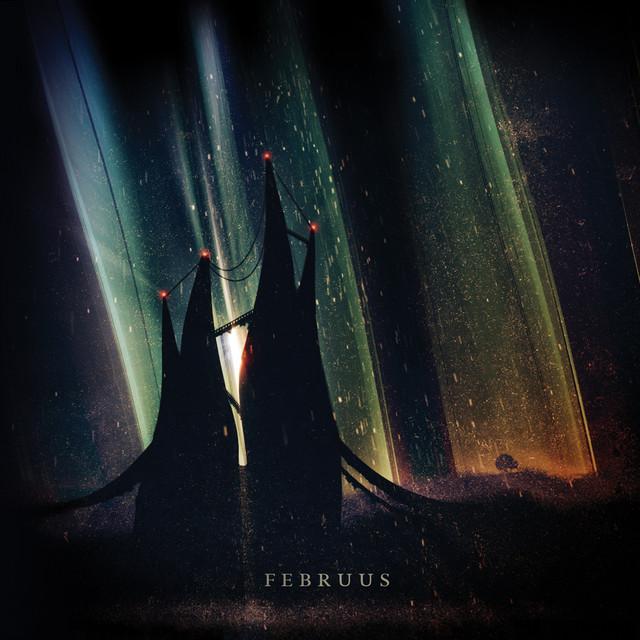
Since the release of the debut album "Februus" in 2011 the band did multiple European tours with tech metal and prog rock genre-leaders such as Protest The Hero, Textures or TesseracT and performed at festivals such as Brutal Assault or Euroblast.
While listening to the album "La Partition" you will hear and feel the progress and growing the band made since "Februus", due to the fact that their sound is now even more complex and perfectly arranged, catchy, experimental and technically enhanced, but also groovy. A perfect combination of the hardness of metal with the elaborate techniques of prog… and the atmospheric sounds of ambient.
The new album "Paragon" was released on October 18th, 2019 through Long Branch Records.
Viberate is a music analytics platform built for A&Rs, artist managers, labels, booking agents, marketers, and artists.
It helps music professionals track artist growth, analyze audience data, monitor playlist activity, compare artists, follow song performance, and identify opportunities across the music market.
Public artist pages provide a free preview of selected artist data. Paid plans provide access to deeper analytics, historical data, charts, comparisons, playlist tools, exports, alerts, reports, and additional professional features.
Yes. Public Viberate artist pages provide selected artist analytics and music data for free.
Viberate also offers a 7-day free trial of the full platform. A credit card is required to start the trial. The trial includes access to the complete product so users can test deeper artist analytics, historical views, playlist insights, comparisons, charts, exports, alerts, and reporting features before choosing a paid plan.
Viberate provides artist analytics across streaming, playlists, social media, video, radio airplay, songs, and audience markets.
Users can analyze Spotify performance, Spotify and Apple Music playlists, YouTube activity, TikTok and Instagram growth, radio spins, song performance, audience locations, demographics, rankings, and overall artist momentum.
Artist profiles also connect to music charts, similar artists, and comparison tools, helping users benchmark performance and evaluate artists in context.
Viberate updates key artist and track data daily.
For followed artists and tracks, selected data is refreshed multiple times per day. This helps teams monitor playlist changes, streaming movement, audience growth, releases, and campaign performance with more current data.
Update frequency can vary depending on the metric and data source.
Yes. Viberate lets users compare up to five artists side by side across streaming, social media, audience, and engagement metrics.
Users can compare fanbase growth, audience demographics, locations, Spotify performance, social metrics, and other artist data over selected time periods.
Artist comparison can be used for A&R scouting, benchmarking, booking decisions, campaign planning, and evaluating artists with similar audiences or market positions.