Underground Fire

Rock
Alternative Rock
Americana/Alt Country
 Viberate Rank: 302449
 Viberate Rank: 302449
 Monthly ListenersFollowers
 Subscribers
 Followers
 Followers
 FansTop Spotify Songs
| Track | 7-Day Streams | |
|---|---|---|
1 | 1.41K | |
2 | 1.17K | |
3 | 1.04K | |
4 | 860 | |
5 | 729 |
Top YouTube VideosMonthly ListenersFeatured in Playlists| Playlist | Followers | |
|---|---|---|
1 |  Sweden Rock 2027 Rickard | 3.92K |
2 |  Heavy Blues Garage Rock phantomcreep | 2.48K |
3 |  Los Lobos Bar Daniel Sanz | 1.21K |
Audience| City | Monthly Listeners | |
|---|---|---|
1 | | 932 |
2 | | 661 |
3 |  | 644 |
4 |  | 571 |
5 |  | 506 |
See full performance history, audience data, playlist activity, rankings, comparisons, and more in Viberate music analytics. Start with a free trial, then continue with a paid plan.
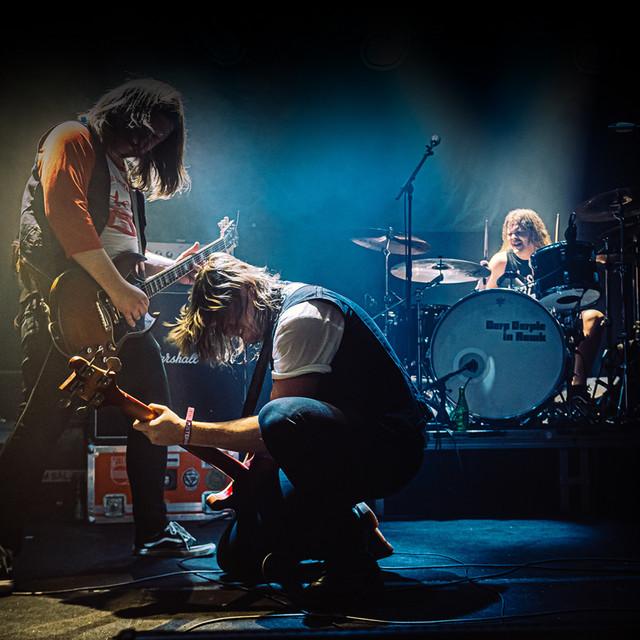
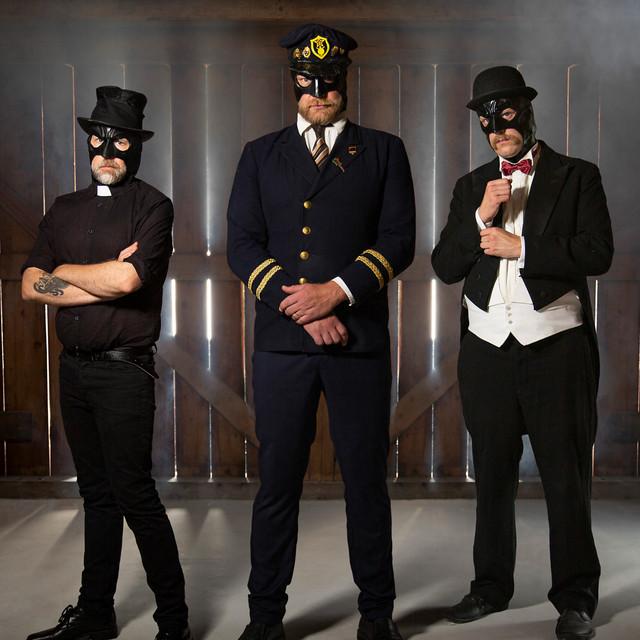
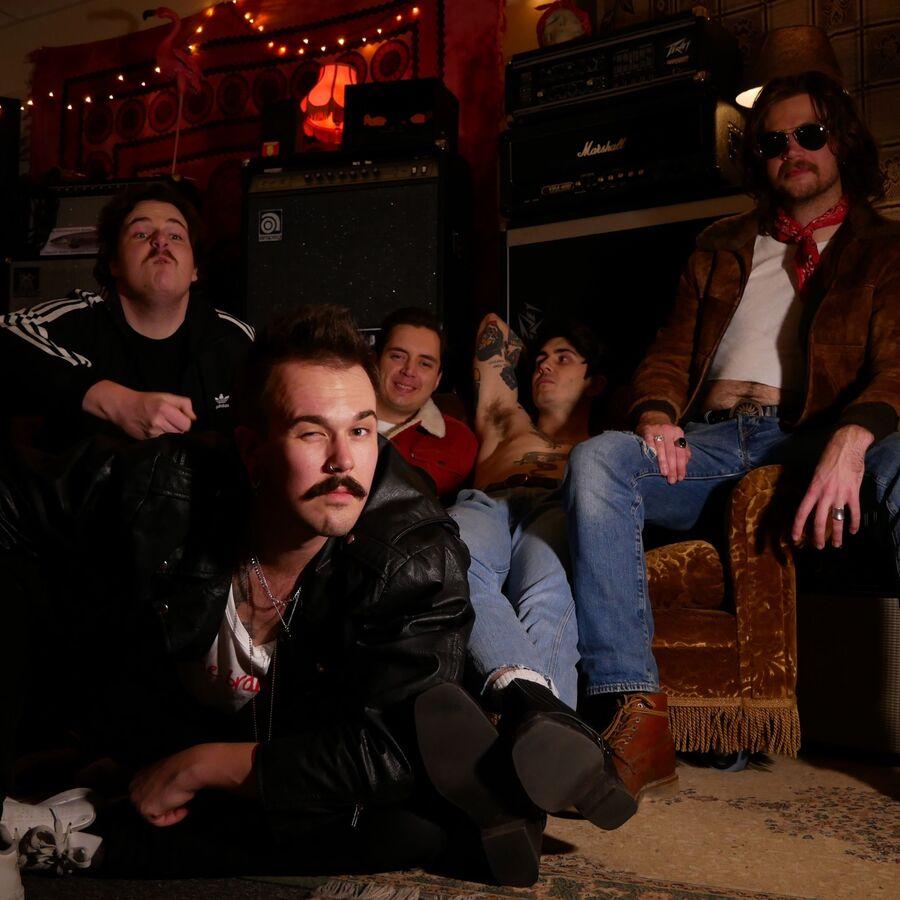
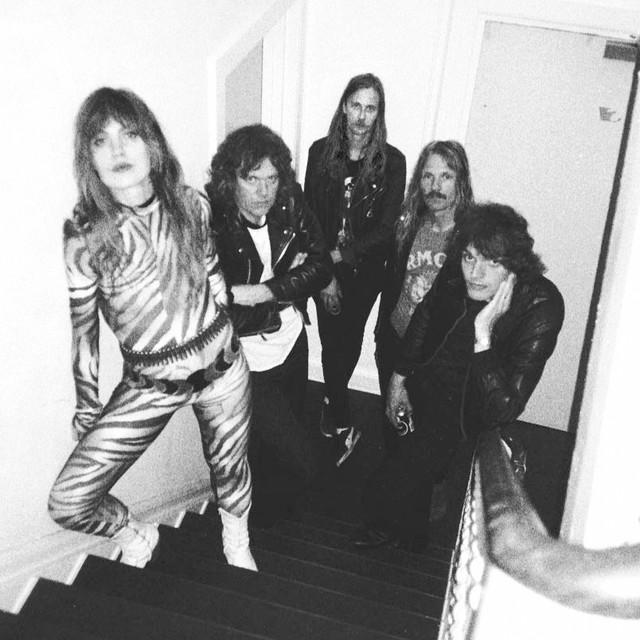
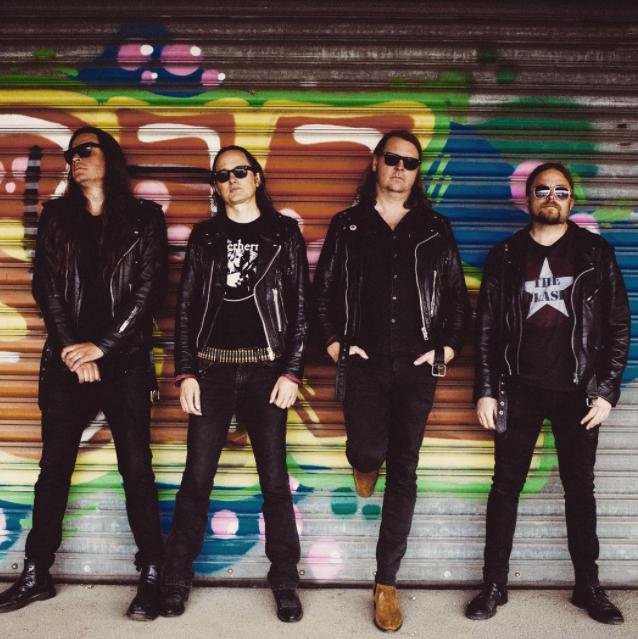
Underground Fire’s Spotify BioOne day in 2015, a musician in Sweden had an idea. He wanted to form a new band. He wanted a band that would be unlike everything else in the contemporary swedish rock scene. He wanted a band that explores dark cosmic dystopias and misery in general, a band that starts in his head and grows freely from there. He is Rob Coffinshaker (The Coffinshakers, Gehennah) and the new band came to be Underground Fire.
The band finally settled with a line-up consisting of Rob (vocals/guitar), guitarist Anders Karlsson (ex-Bay Laurel, Impression) bass player Robert Schlyter (ex-Haddock, ex-The Soulshake Express) and drummer Edvin Norrman (ex-Mama Kin).
2017 Underground Fire entered Studio Cobra in Stockholm with Martin “Konie” Ehrencrona behind the controls. The vision is finally starting to materialise for real in 2018, when the first songs from these sessions are released as digital singles; “Summer Ends” and “End of the Night”, and soon the album “Ashes of Life” is released upon the world.
In 2021,… Underground Fire also released Passage on 12" single with a cover of Dee Dee Ramones’ Poison Heart on the B-side.
2026 finally sees the release of the second album "Hollow Grounds" on April 17th. Once again out on Critical Mass Recordings.
Viberate is a music analytics platform built for A&Rs, artist managers, labels, booking agents, marketers, and artists.
It helps music professionals track artist growth, analyze audience data, monitor playlist activity, compare artists, follow song performance, and identify opportunities across the music market.
Public artist pages provide a free preview of selected artist data. Paid plans provide access to deeper analytics, historical data, charts, comparisons, playlist tools, exports, alerts, reports, and additional professional features.
Yes. Public Viberate artist pages provide selected artist analytics and music data for free.
Viberate also offers a 7-day free trial of the full platform. A credit card is required to start the trial. The trial includes access to the complete product so users can test deeper artist analytics, historical views, playlist insights, comparisons, charts, exports, alerts, and reporting features before choosing a paid plan.
Viberate provides artist analytics across streaming, playlists, social media, video, radio airplay, songs, and audience markets.
Users can analyze Spotify performance, Spotify and Apple Music playlists, YouTube activity, TikTok and Instagram growth, radio spins, song performance, audience locations, demographics, rankings, and overall artist momentum.
Artist profiles also connect to music charts, similar artists, and comparison tools, helping users benchmark performance and evaluate artists in context.
Viberate updates key artist and track data daily.
For followed artists and tracks, selected data is refreshed multiple times per day. This helps teams monitor playlist changes, streaming movement, audience growth, releases, and campaign performance with more current data.
Update frequency can vary depending on the metric and data source.
Yes. Viberate lets users compare up to five artists side by side across streaming, social media, audience, and engagement metrics.
Users can compare fanbase growth, audience demographics, locations, Spotify performance, social metrics, and other artist data over selected time periods.
Artist comparison can be used for A&R scouting, benchmarking, booking decisions, campaign planning, and evaluating artists with similar audiences or market positions.