Ume

Rock
Indie Rock
Alternative Rock
 Viberate Rank: 254511
 Viberate Rank: 254511
 Monthly ListenersFollowers
 Subscribers
 Followers
 Followers
 FansTop Spotify Songs
| Track | 7-Day Streams | |
|---|---|---|
1 | 660 | |
2 | 266 | |
3 | 140 | |
4 | 71 | |
5 | 66 |
Top YouTube VideosMonthly ListenersFeatured in Playlists| Playlist | Followers | |
|---|---|---|
1 |  Yorekok yorekokmodeextreme | 13.46K |
2 |  The Vampire Diaries (season 1-8) Nicole Evelyn Guyumjian | 11.94K |
3 |  delena songs julesfey | 11.33K |
4 | 1273922645 | 9.06K |
5 | The Vampire Diaries Season 3 Playlist The CW | 8.97K |
Audience| City | Monthly Listeners | |
|---|---|---|
1 | | 40 |
2 | | 40 |
3 | | 34 |
4 | | 31 |
5 | | 31 |
See full performance history, audience data, playlist activity, rankings, comparisons, and more in Viberate music analytics. Start with a free trial, then continue with a paid plan.
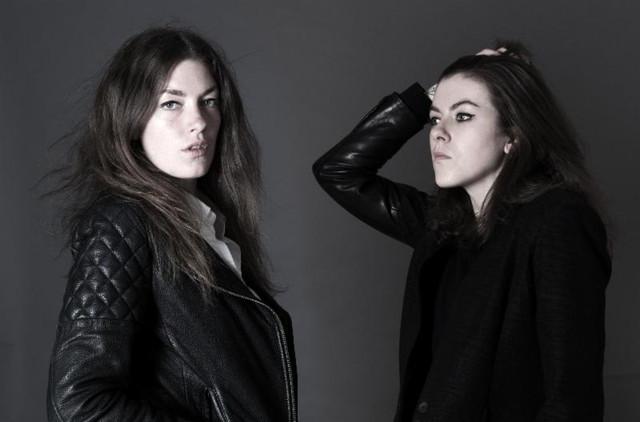
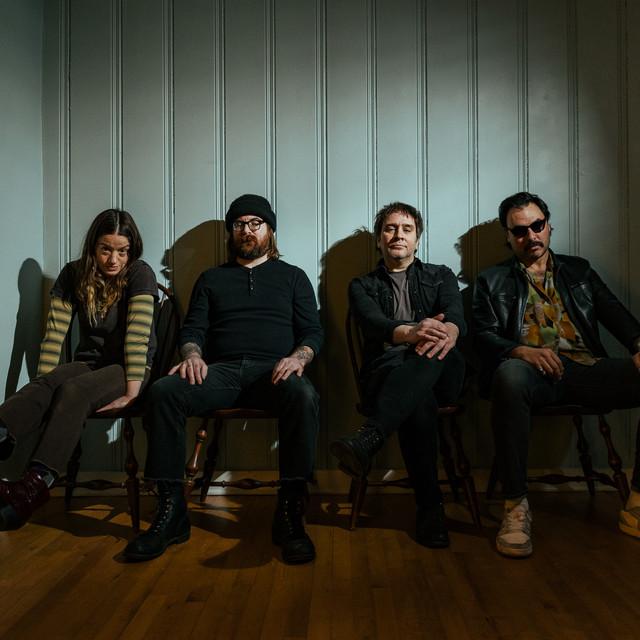
Ume’s Spotify BioMeshing guitar-based hard rock with the raw passion of punk rock and the melodic sophistication of pop, Ume are an Austin, Texas-based trio who've earned a growing following for their relentless touring schedule, explosive performances, and clever but unpretentious music. The story of Ume (pronounced "Ooh-may") begins at a skatepark in West Columbia, Texas in 1995, where 15-year-old Lauren Langner was playing a show with Twelve Blades, a thrashy local punk band. Langner had played piano and oboe in school bands and grew up with her parents' Jimi Hendrix and Deep Purple records, but when she was 12, she borrowed one of her brother's guitars and figured out how to play Nirvana's "Come as You Are," though her small hands forced her to find unusual ways to form the chords. Langner joined Twelve Blades when she was 14, and after playing their set at the skatepark, she was approached by Eric Larson, a fellow teenage musician who played bass and liked her performance. Before long, the two… formed a musical and personal relationship, and in 2002, Lauren and Eric formed Ume with drummer Jeff Barrera, an old friend who they had met at an Unwound show.
Before long, Lauren and Eric left Texas for Pennsylvania, where they attended college, but they returned home every few months to practice with Jeff and keep the band together, playing shows when schedules permitted. A gig in Brooklyn brought Ume to the attention of the New York indie label Pretty Activity, which released the band's debut recording, Urgent Sea, in 2005. In 2007, Lauren and Eric returned to Austin, Texas, and Ume became a greater priority in their lives, as the trio began hitting the road as often as possible, and issued an EP in 2008. Lauren and Eric also got married, and Lauren began billing herself as Lauren Larson or Lauren Langner Larson. In 2011, the hard-working band released their second album, Phantoms, via Modern Outsider Records, and that same year Rolling Stone declared that Ume were one of America's best unsigned bands. In 2013, Ume signed on with respected indie label Dangerbird Records and began working with a new drummer, Rachel Fuhrer. The band went into the studio with producer Adam Kasper, and in early 2014 Ume released their third and most accomplished album to date, Monuments. When not busy with Ume, Lauren Langner Larson works with Austin's Girls Rock Camp, a nonprofit organization that helps girls learn how music can be used as a medium of expression and empowerment. ~ Mark Deming, Rovi
Viberate is a music analytics platform built for A&Rs, artist managers, labels, booking agents, marketers, and artists.
It helps music professionals track artist growth, analyze audience data, monitor playlist activity, compare artists, follow song performance, and identify opportunities across the music market.
Public artist pages provide a free preview of selected artist data. Paid plans provide access to deeper analytics, historical data, charts, comparisons, playlist tools, exports, alerts, reports, and additional professional features.
Yes. Public Viberate artist pages provide selected artist analytics and music data for free.
Viberate also offers a 7-day free trial of the full platform. A credit card is required to start the trial. The trial includes access to the complete product so users can test deeper artist analytics, historical views, playlist insights, comparisons, charts, exports, alerts, and reporting features before choosing a paid plan.
Viberate provides artist analytics across streaming, playlists, social media, video, radio airplay, songs, and audience markets.
Users can analyze Spotify performance, Spotify and Apple Music playlists, YouTube activity, TikTok and Instagram growth, radio spins, song performance, audience locations, demographics, rankings, and overall artist momentum.
Artist profiles also connect to music charts, similar artists, and comparison tools, helping users benchmark performance and evaluate artists in context.
Viberate updates key artist and track data daily.
For followed artists and tracks, selected data is refreshed multiple times per day. This helps teams monitor playlist changes, streaming movement, audience growth, releases, and campaign performance with more current data.
Update frequency can vary depending on the metric and data source.
Yes. Viberate lets users compare up to five artists side by side across streaming, social media, audience, and engagement metrics.
Users can compare fanbase growth, audience demographics, locations, Spotify performance, social metrics, and other artist data over selected time periods.
Artist comparison can be used for A&R scouting, benchmarking, booking decisions, campaign planning, and evaluating artists with similar audiences or market positions.