Ultravox

Rock
Pop Rock
Synthpop
 Viberate Rank: 14685
 Viberate Rank: 14685
 Monthly ListenersFollowers
 Subscribers
 Followers
 Followers
 FansTop Spotify Songs
| Track | 7-Day Streams | |
|---|---|---|
1 | 221.08K | |
2 | 213.33K | |
3 | 84.31K | |
4 | 52.84K | |
5 | 32.16K |
Top YouTube VideosMonthly ListenersFeatured in Playlists| Playlist | Followers | |
|---|---|---|
1 |  Sad Bops Spotify | 590.49K |
2 |  Alternative 70s Spotify | 451.41K |
3 |  Fidi & Bumsi Spotify | 353.23K |
4 |  80er und 90er BEST OF Julian Zink | 229.29K |
5 |  Synthpop Classics Spotify | 226.01K |
Audience| City | Monthly Listeners | |
|---|---|---|
1 | | 32.51K |
2 |  | 27.40K |
3 | | 19.57K |
4 | | 18.77K |
5 | | 18.72K |
See full performance history, audience data, playlist activity, rankings, comparisons, and more in Viberate music analytics. Start with a free trial, then continue with a paid plan.
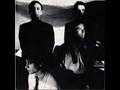
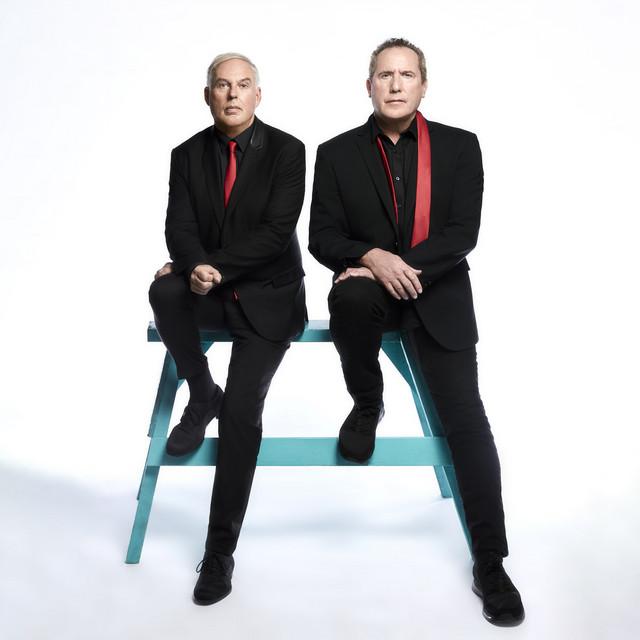
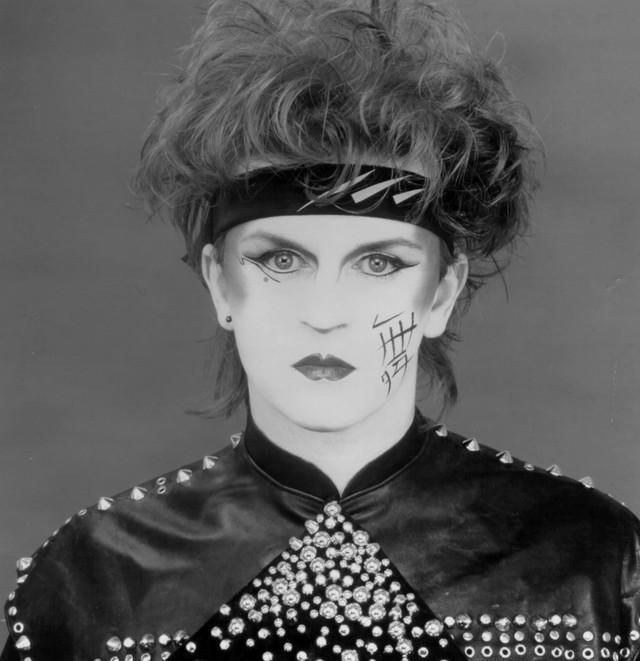
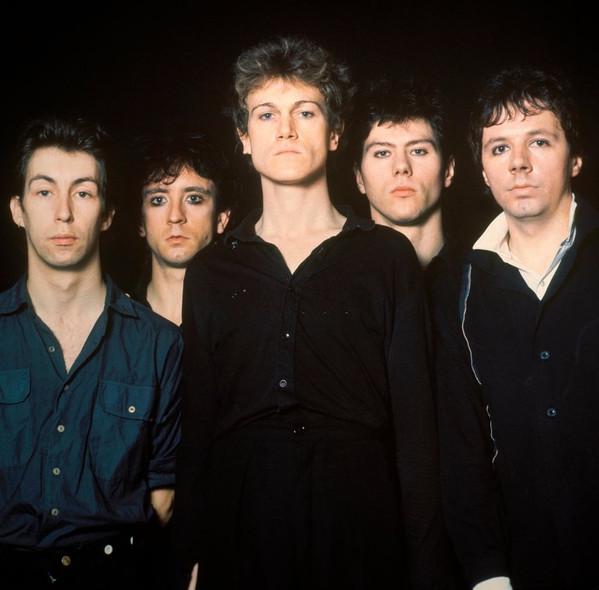
Ultravox’s Spotify BioRejecting the abrasive guitars of their punk-era contemporaries in favor of lushly romantic synthesizers, Ultravox emerged as one of the primary influences on the British electro-pop movement of the early '80s. Formed in London in 1974, the group -- originally dubbed Ultravox! -- was led by vocalist and keyboardist John Foxx (born Dennis Leigh), whose interest in synths and cutting-edge technology began during his school years. With an initial lineup consisting of bassist Chris Cross, keyboardist/violinist Billy Currie, guitarist Steve Shears, and drummer Warren Cann, their obvious affection for the glam rock sound of David Bowie and Roxy Music brought them little respect from audiences caught up in the growing fervor of punk, but in 1977 Island Records signed the quintet anyway, with Brian Eno agreeing to produce the band's self-titled debut LP.
After scoring a minor U.K. hit with the single "My Sex," Ultravox returned later that year with Ha! Ha! Ha!; sales were minimal, however, and… Shears soon exited, replaced by guitarist Robin Simon. A third LP, 1978's Systems of Romance, was recorded in Germany with renowned producer Conrad Plank, but it too failed commercially. Island soon dropped the band, at which time both Foxx and Simon quit, the former mounting a solo career and the latter joining Magazine. At that point the remaining members of Ultravox tapped singer/guitarist Midge Ure, an alumnus of Slik as well as Glen Matlock's Rich Kids; upon signing to Chrysalis, the new lineup recorded Vienna, scoring a surprise smash hit with the single "Sleepwalk," which reached the number two spot on the U.K. pop charts in 1981 and pushed the LP into the Top Five. The album's title track also fared well, peaking at number two on the charts and remaining there for several weeks.
After 1981's Rage in Eden, Ultravox teamed with legendary producer George Martin for 1983's Quartet; their most successful LP in the otherwise impenetrable American market, it launched the minor hit "Reap the Wild Wind." Upon completing 1984's Lament, Warren Cann left Ultravox to forge a solo career. The remaining members, after adding Big Country's Mark Brzezicki, resurfaced with U-Vox in 1986 before going their separate ways. Currie and Simon re-formed the band in 1993, adding vocalist Marcus O'Higgins; three years later, they released the lackluster Ingenuity with Sam Blue on lead vocals. The album marked the group's final studio release. Bassist Chris Cross died on March 25, 2024, at the age of 71. ~ Jason Ankeny, Rovi
Viberate is a music analytics platform built for A&Rs, artist managers, labels, booking agents, marketers, and artists.
It helps music professionals track artist growth, analyze audience data, monitor playlist activity, compare artists, follow song performance, and identify opportunities across the music market.
Public artist pages provide a free preview of selected artist data. Paid plans provide access to deeper analytics, historical data, charts, comparisons, playlist tools, exports, alerts, reports, and additional professional features.
Yes. Public Viberate artist pages provide selected artist analytics and music data for free.
Viberate also offers a 7-day free trial of the full platform. A credit card is required to start the trial. The trial includes access to the complete product so users can test deeper artist analytics, historical views, playlist insights, comparisons, charts, exports, alerts, and reporting features before choosing a paid plan.
Viberate provides artist analytics across streaming, playlists, social media, video, radio airplay, songs, and audience markets.
Users can analyze Spotify performance, Spotify and Apple Music playlists, YouTube activity, TikTok and Instagram growth, radio spins, song performance, audience locations, demographics, rankings, and overall artist momentum.
Artist profiles also connect to music charts, similar artists, and comparison tools, helping users benchmark performance and evaluate artists in context.
Viberate updates key artist and track data daily.
For followed artists and tracks, selected data is refreshed multiple times per day. This helps teams monitor playlist changes, streaming movement, audience growth, releases, and campaign performance with more current data.
Update frequency can vary depending on the metric and data source.
Yes. Viberate lets users compare up to five artists side by side across streaming, social media, audience, and engagement metrics.
Users can compare fanbase growth, audience demographics, locations, Spotify performance, social metrics, and other artist data over selected time periods.
Artist comparison can be used for A&R scouting, benchmarking, booking decisions, campaign planning, and evaluating artists with similar audiences or market positions.