Ulrich Troyer

Electronic
Downtempo
Dub
 Viberate Rank: 577565
 Viberate Rank: 577565
 Monthly ListenersFollowers
 Subscribers
 Followers
 Followers
 FansTop Spotify Songs
| Track | 7-Day Streams | |
|---|---|---|
1 | 38 | |
2 | 8 | |
3 | 6 | |
4 | 5 | |
5 | 5 |
Top YouTube VideosMonthly ListenersFeatured in Playlists| Playlist | Followers | |
|---|---|---|
1 | DEEP MEDi MUSIK & Tempa Records .. deep funkyp1nky | 7.80K |
2 |  DEEP MEDi MUSIK 1132747021 | 6.82K |
3 |  Psydub / Psybient/Midtempo ॐ Atlas | 3.55K |
4 | Deep Medi Musik / Tempa / DMZ / 140 argmax11 | 2.67K |
5 |  WFMU's Heavily Played Records - 2020s Edition WFMU | 1.93K |
Audience| City | Monthly Listeners | |
|---|---|---|
1 |  | 11 |
2 | | 11 |
3 |  | 11 |
4 |  | 10 |
5 |  | 5 |
See full performance history, audience data, playlist activity, rankings, comparisons, and more in Viberate music analytics. Start with a free trial, then continue with a paid plan.
Ulrich Troyer’s Spotify BioUlrich Troyer’s artistic approach is dominated by an interaction between architecture, music and fine arts.
He created the radio play "Sehen mit Ohren (Seeing with Ears)“, an acoustic study on the spacial perception of blind people. The acoustic space and the reverberation of sound events form a circular theme in his work.
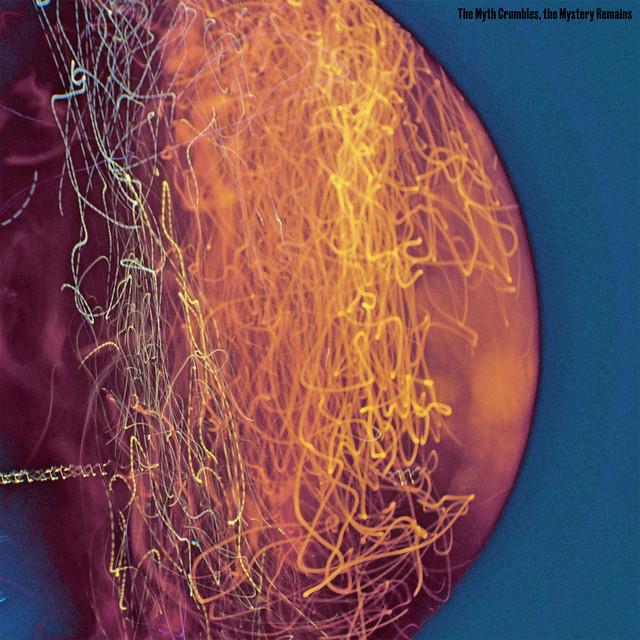
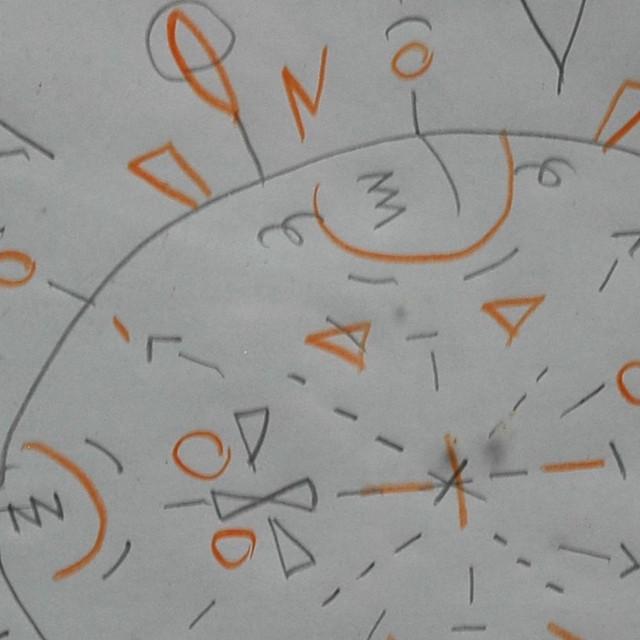
Troyer’s commitment to dub production methods offer the perfect playground for his sonic experiments. His interest in sound system music (bass, dub, techno and their abstractions) led to the trilogy SONGS FOR WILLIAM (released on 4Bit Productions and Mala’s Label DEEP MEDI). The project combines music, hand drawn visuals for the live performance, and a graphic novel telling the story of a guitar effect pedal named WILLIAM.
The collaboration with Studio One Trombonist Vin Gordon (DEADLOCK VERSIONS) was released in 2015.
The over 40 minutes piece DOLOMITE DUB (feat. Dieter Kern, Susanna Gartmayer, Jürgen Berlakovich) was commissioned by the ORF musikprotokoll 2015 and was… released on Vinyl in 2019.
The album TRANSIT TRIBE released 2024 is featuring Mamadou Diabate, Osman Murat Ertel, Reinhilde Gamper, Susanna Gartmayer, Diggory Kenrick, Didi Kern, Hamidou Koita, Lukas Lauermann, Martin Mallaun, Takafumi Noda, Flip Philipp, Wolfgang Pfistermüller, Roger Robinson & Kwame Yeboah
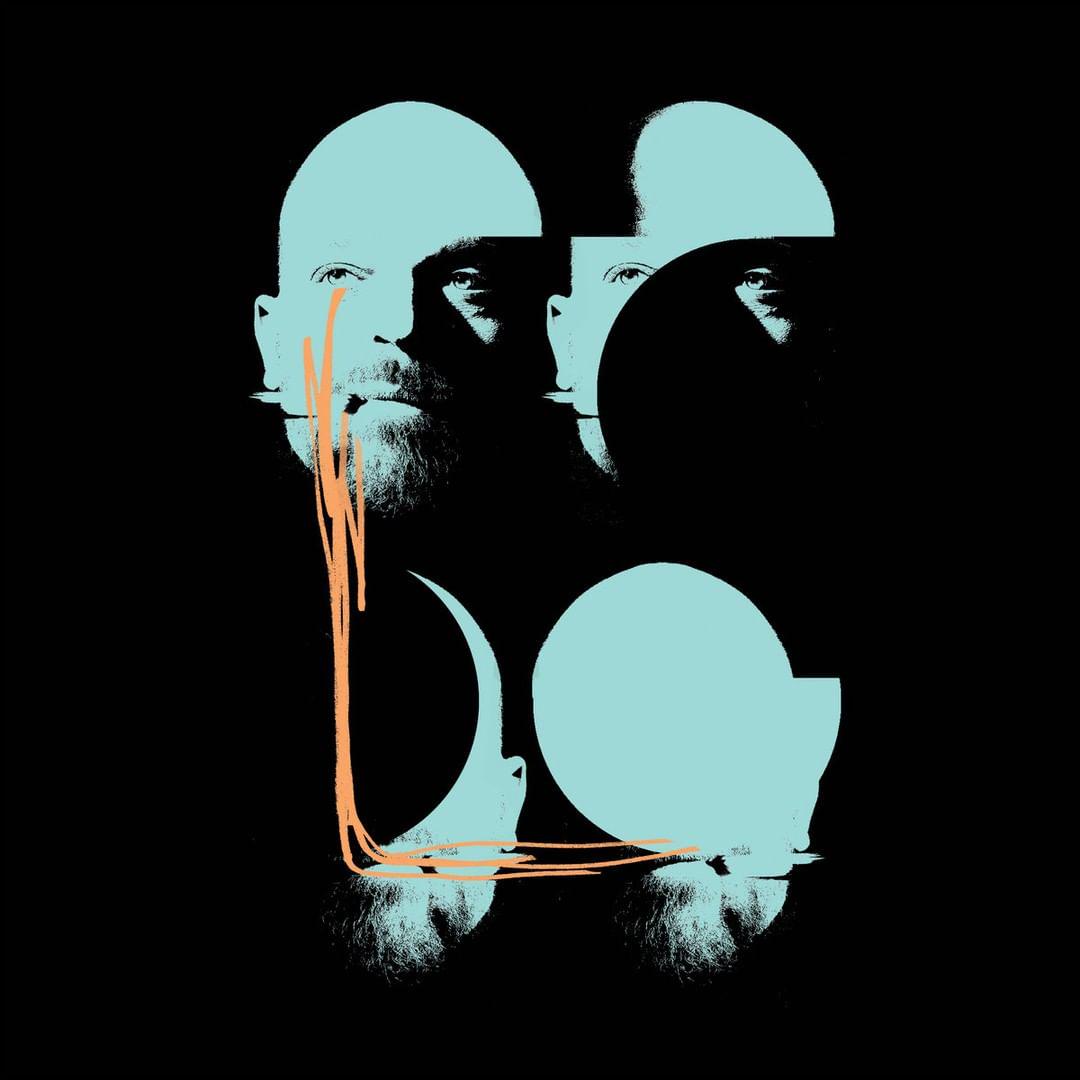
All pictures: © Eva Kelety
Viberate is a music analytics platform built for A&Rs, artist managers, labels, booking agents, marketers, and artists.
It helps music professionals track artist growth, analyze audience data, monitor playlist activity, compare artists, follow song performance, and identify opportunities across the music market.
Public artist pages provide a free preview of selected artist data. Paid plans provide access to deeper analytics, historical data, charts, comparisons, playlist tools, exports, alerts, reports, and additional professional features.
Yes. Public Viberate artist pages provide selected artist analytics and music data for free.
Viberate also offers a 7-day free trial of the full platform. A credit card is required to start the trial. The trial includes access to the complete product so users can test deeper artist analytics, historical views, playlist insights, comparisons, charts, exports, alerts, and reporting features before choosing a paid plan.
Viberate provides artist analytics across streaming, playlists, social media, video, radio airplay, songs, and audience markets.
Users can analyze Spotify performance, Spotify and Apple Music playlists, YouTube activity, TikTok and Instagram growth, radio spins, song performance, audience locations, demographics, rankings, and overall artist momentum.
Artist profiles also connect to music charts, similar artists, and comparison tools, helping users benchmark performance and evaluate artists in context.
Viberate updates key artist and track data daily.
For followed artists and tracks, selected data is refreshed multiple times per day. This helps teams monitor playlist changes, streaming movement, audience growth, releases, and campaign performance with more current data.
Update frequency can vary depending on the metric and data source.
Yes. Viberate lets users compare up to five artists side by side across streaming, social media, audience, and engagement metrics.
Users can compare fanbase growth, audience demographics, locations, Spotify performance, social metrics, and other artist data over selected time periods.
Artist comparison can be used for A&R scouting, benchmarking, booking decisions, campaign planning, and evaluating artists with similar audiences or market positions.