Ulf Wakenius

Jazz
Smooth Jazz
 Viberate Rank: 90572
 Viberate Rank: 90572
 Monthly ListenersFollowers
 Subscribers
 Followers
 Followers
 FansTop Spotify Songs
| Track | 7-Day Streams | |
|---|---|---|
1 | 2.23K | |
2 | 1.58K | |
3 | 1.50K | |
4 | 1.34K | |
5 | 1.31K |
Top YouTube Videos| Video | 7-Day Views | |
|---|---|---|
1 | 3.66K | |
2 | 2.93K | |
3 | 2.70K | |
4 | 2.45K | |
5 | 1.16K |
Monthly ListenersFeatured in Playlists| Playlist | Followers | |
|---|---|---|
1 |  Hi-fi Test Music (High Quality Audio) Ben Koomen | 31.07K |
2 |  World Music 🌍 Wessel te Winkel | 30.68K |
3 |  Audiophile Reference (High Resolution Audio Playlist for HiFi) yq | 27.02K |
4 |  Modern Jazz David Lohner | 23.88K |
5 | Soft Jazz and Blues... or just melting gita1503 | 19.48K |
Audience| City | Monthly Listeners | |
|---|---|---|
1 | | 448 |
2 |  | 342 |
3 | | 300 |
4 |  | 264 |
5 | | 252 |
See full performance history, audience data, playlist activity, rankings, comparisons, and more in Viberate music analytics. Start with a free trial, then continue with a paid plan.
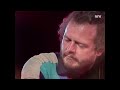
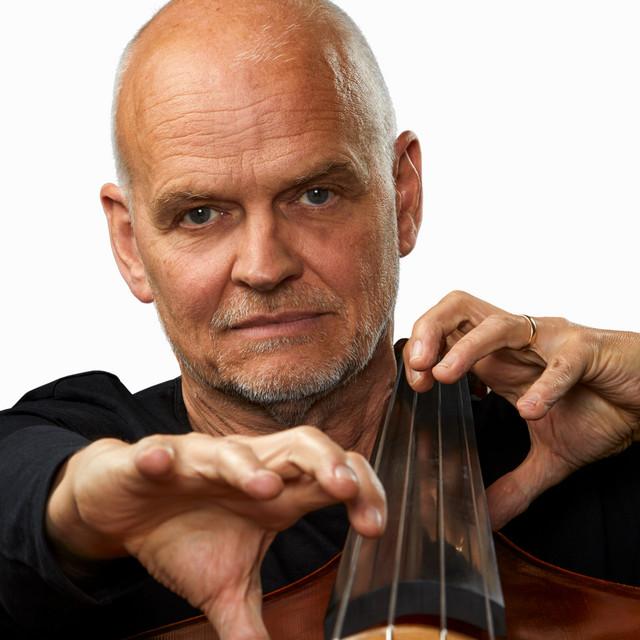
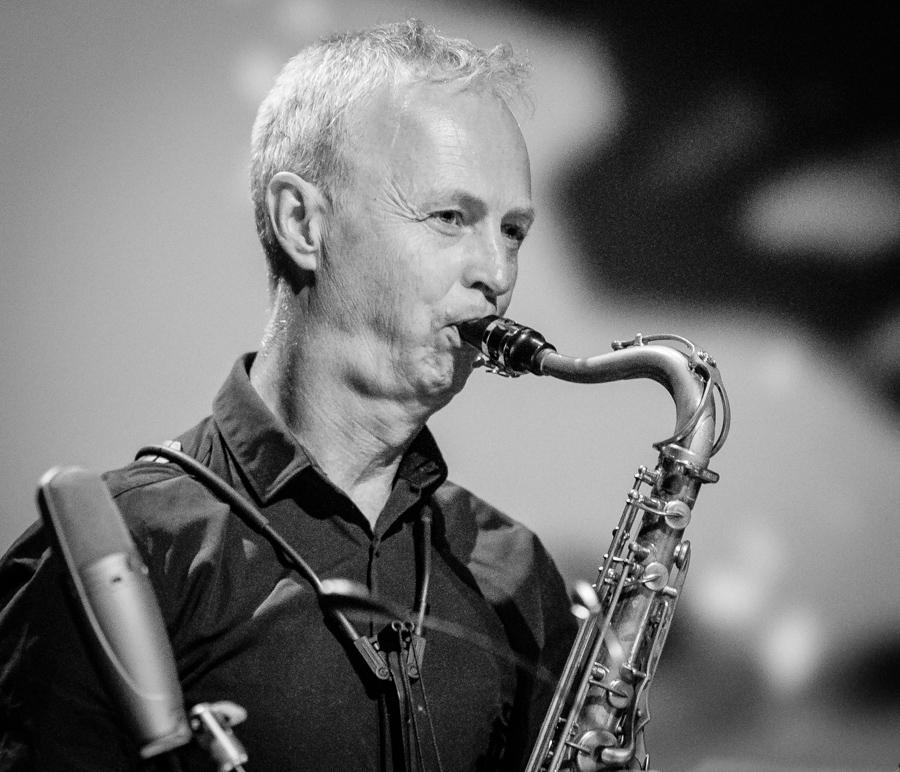
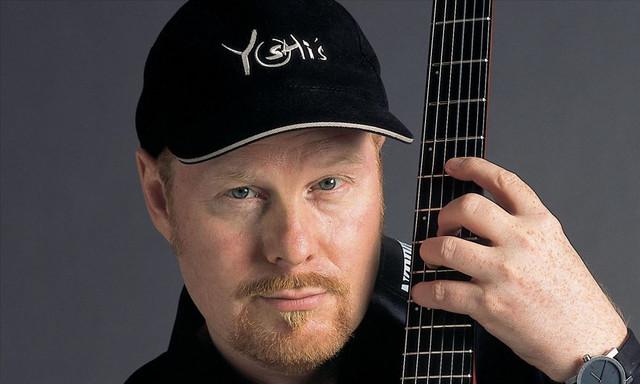
Ulf Wakenius’ Spotify BioAn adept Swedish guitarist with a lithe, supple style, Ulf Wakenius can play a broad range of music, but is best known for his straight-ahead and post-bop jazz work. Born in April 1958 in Halmstad, Sweden and raised in Gothenburg, Wakenius played guitar from early childhood. At first self-taught, he later studied at the Gothenburg Conservatoire. Initially interested in contemporary blues, he later moved into jazz. By his late teens he was already known as a session musician, and in the mid- to late '70s he was a member of the Swedish bands Sundance and Mwendo Dawa. He later toured Europe, and in the early '80s he and fellow guitarist Peter Almqvist formed Guitars Unlimited, recording Introducing Guitars Unlimited Duo (1983) and Acoustic Shokk (1985). Wakenius also recorded with Svend Asmussen and visited South America, playing concerts and recording.
In these years, he also began working with bass player Niels-Henning Ørsted Pedersen, establishing a strong working relationship that… lasted until Ørsted Pedersen's death in 2005. In the early '90s, Wakenius was a member of Grafitti with drummer Dennis Chambers, bass player Gary Grainger, and keyboard player Haakon Graf, recording 1992's Good Groove. Among many other jazz musicians with whom Wakenius has worked and sometimes recorded are Art Farmer, Herbie Hancock, Joe Henderson, and Clark Terry, to name a few.
Wakenius has also led his own bands, notably a strong group featuring Chris Minh Doky and his brother Niels Lan Doky, Randy Brecker, Lars Danielsson, Bob Berg, saxophonist Bill Evans, and Jack DeJohnette that released the album Venture on L+R Records in 1992. He also led the Stellar Quintet, which included Michael Brecker and Ray Brown, and began working with Brown on recordings such as Seven Steps to Heaven (1995) and Summertime (1997).
In 1997, Wakenius joined Oscar Peterson's quartet, touring internationally with the pianist and appearing on the following year's A Summer Night in Munich. This particular edition of the pianist's group also included Ørsted Pedersen and drummer Martin Drew. That same year, he also delivered his own Dig In, featuring pianist Gösta Rundqvist, bassist Yasuhito Mori, and drummer Jukkis Uotila.
Following the turn of the millennium, Wakenius has stayed active delivering a number of efforts for the ACT label, including the 2005 Keith Jarrett tribute Notes from the Heart, 2008's Love Is Real, and 2010's Signature Edition 2. He then paired with bassist Lars Danielsson and accordionist Vincent Peirani for 2012's Vagabond, followed two years later by Momento Magico. In 2017, he joined his son, guitarist Eric Wakenius, for the duo album Father & Son. ~ TiVo Staff, Rovi
Viberate is a music analytics platform built for A&Rs, artist managers, labels, booking agents, marketers, and artists.
It helps music professionals track artist growth, analyze audience data, monitor playlist activity, compare artists, follow song performance, and identify opportunities across the music market.
Public artist pages provide a free preview of selected artist data. Paid plans provide access to deeper analytics, historical data, charts, comparisons, playlist tools, exports, alerts, reports, and additional professional features.
Yes. Public Viberate artist pages provide selected artist analytics and music data for free.
Viberate also offers a 7-day free trial of the full platform. A credit card is required to start the trial. The trial includes access to the complete product so users can test deeper artist analytics, historical views, playlist insights, comparisons, charts, exports, alerts, and reporting features before choosing a paid plan.
Viberate provides artist analytics across streaming, playlists, social media, video, radio airplay, songs, and audience markets.
Users can analyze Spotify performance, Spotify and Apple Music playlists, YouTube activity, TikTok and Instagram growth, radio spins, song performance, audience locations, demographics, rankings, and overall artist momentum.
Artist profiles also connect to music charts, similar artists, and comparison tools, helping users benchmark performance and evaluate artists in context.
Viberate updates key artist and track data daily.
For followed artists and tracks, selected data is refreshed multiple times per day. This helps teams monitor playlist changes, streaming movement, audience growth, releases, and campaign performance with more current data.
Update frequency can vary depending on the metric and data source.
Yes. Viberate lets users compare up to five artists side by side across streaming, social media, audience, and engagement metrics.
Users can compare fanbase growth, audience demographics, locations, Spotify performance, social metrics, and other artist data over selected time periods.
Artist comparison can be used for A&R scouting, benchmarking, booking decisions, campaign planning, and evaluating artists with similar audiences or market positions.