Ulan Bator

Rock
Psychedelic Rock
Post Rock
 Viberate Rank: 295448
 Viberate Rank: 295448
 Monthly ListenersFollowers
 Subscribers
 Followers
 Followers
 FansTop Spotify Songs
| Track | 7-Day Streams | |
|---|---|---|
1 | 122 | |
2 | 76 | |
3 | 53 | |
4 | 41 | |
5 | 36 |
Top YouTube VideosMonthly ListenersFeatured in Playlists| Playlist | Followers | |
|---|---|---|
1 |  Duyster (all tracks ever played) Wike | 8.15K |
2 | space rock & psychedelia Edson Alejandro Adame | 8.05K |
3 |  MGira Social Media Shares Jacob Morris | 6.19K |
4 |  Fusion Festival 2022 lilalinus | 4.08K |
5 |  Studio Brussel: duyster (all tracks ever played) Studio Brussel | 3.29K |
Audience| City | Monthly Listeners | |
|---|---|---|
1 |  | 33 |
2 | | 33 |
3 | | 20 |
4 | | 14 |
5 | | 11 |
See full performance history, audience data, playlist activity, rankings, comparisons, and more in Viberate music analytics. Start with a free trial, then continue with a paid plan.
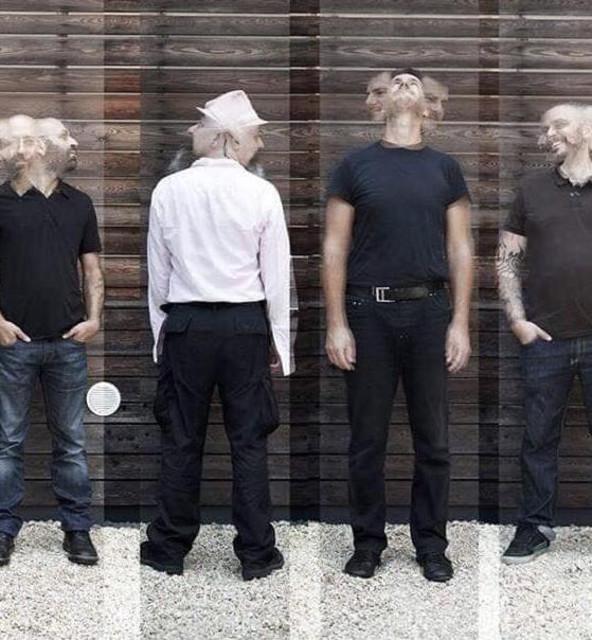
Ulan Bator’s Spotify BioUlan Bator, the French experimental Avant-Rock band, was formed in 1994 by Amaury Cambuzat and Olivier Manchion, with drummer Franck Lantignac joining soon after.
Heavily inspired by Krautrock pioneers like Faust and Can, their music is a raw, hypnotic journey into repetition, drone, and rhythmic tension. This unique sound has established a legacy of uncompromising artistry.
Their early works was forged in a disused chalk mine, which served as their recording studio. This gave their debut album, Ulan Bator (1995) followed by 2 Degrees (1996) and Vegetale (1997).
These albums blended minimalist compositions with explosive crescendos, cementing their reputation in the European underground.
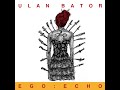
A significant turn came with their album Ego:Echo (2000), produced by Michael Gira of Swans. Gira's endorsement brought the band to a wider international audience. Their sound continued to evolve, and their 2003 album Nouvel Air, mixed by Robin Guthrie of Cocteau Twins, added a new melodic layer.… Subsequent releases, including the intense Rodeo Massacre (2005) including song "Pensées Massacre", further showcased their artistic evolution.
Later, multi-instrumentalist James Johnston (Gallon Drunk, PJ Harvey) joined the lineup, adding new textures to albums like Tohu-Bohu (2010) and Abracadabra (2016).
Eight years after their 2017 album Stereolith was released on bureau b, the group is back with a brand new album, Dark Times, on November 26, 2025
Viberate is a music analytics platform built for A&Rs, artist managers, labels, booking agents, marketers, and artists.
It helps music professionals track artist growth, analyze audience data, monitor playlist activity, compare artists, follow song performance, and identify opportunities across the music market.
Public artist pages provide a free preview of selected artist data. Paid plans provide access to deeper analytics, historical data, charts, comparisons, playlist tools, exports, alerts, reports, and additional professional features.
Yes. Public Viberate artist pages provide selected artist analytics and music data for free.
Viberate also offers a 7-day free trial of the full platform. A credit card is required to start the trial. The trial includes access to the complete product so users can test deeper artist analytics, historical views, playlist insights, comparisons, charts, exports, alerts, and reporting features before choosing a paid plan.
Viberate provides artist analytics across streaming, playlists, social media, video, radio airplay, songs, and audience markets.
Users can analyze Spotify performance, Spotify and Apple Music playlists, YouTube activity, TikTok and Instagram growth, radio spins, song performance, audience locations, demographics, rankings, and overall artist momentum.
Artist profiles also connect to music charts, similar artists, and comparison tools, helping users benchmark performance and evaluate artists in context.
Viberate updates key artist and track data daily.
For followed artists and tracks, selected data is refreshed multiple times per day. This helps teams monitor playlist changes, streaming movement, audience growth, releases, and campaign performance with more current data.
Update frequency can vary depending on the metric and data source.
Yes. Viberate lets users compare up to five artists side by side across streaming, social media, audience, and engagement metrics.
Users can compare fanbase growth, audience demographics, locations, Spotify performance, social metrics, and other artist data over selected time periods.
Artist comparison can be used for A&R scouting, benchmarking, booking decisions, campaign planning, and evaluating artists with similar audiences or market positions.