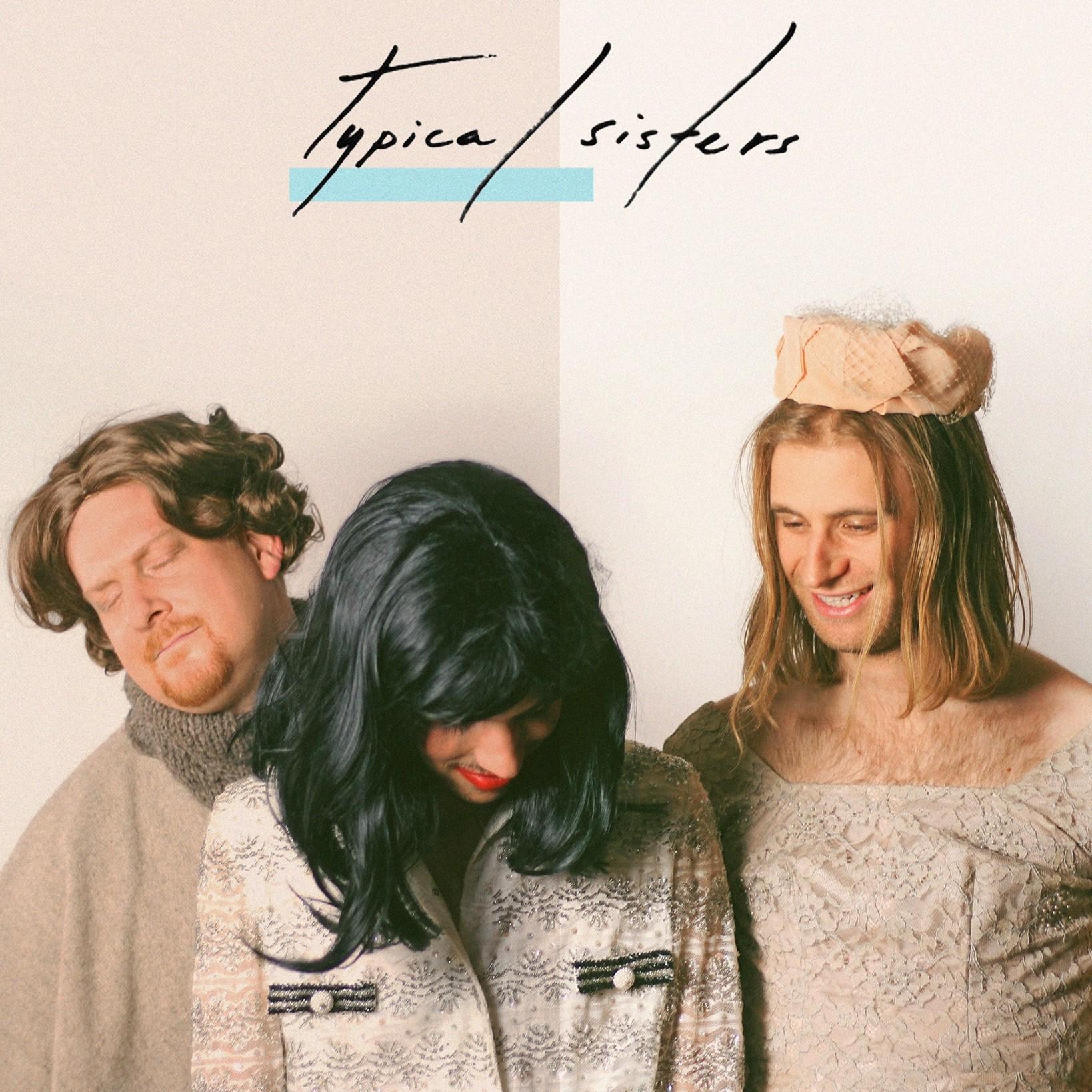
Typical Sisters

Jazz
Jazz Fusion
 Viberate Rank: 690488
 Viberate Rank: 690488
 Monthly ListenersFollowers
 Subscribers
 Followers
 Followers
 FansTop Spotify Songs
| Track | 7-Day Streams | |
|---|---|---|
1 | 8 | |
2 | 4 | |
3 | 4 | |
4 | 4 | |
5 | 4 |
Top YouTube VideosMonthly ListenersFeatured in Playlists| Playlist | Followers | |
|---|---|---|
1 |  Progressive Jazz | Jazz Metal | Fusion Jazz | Experimental Jazz | Post-Jazz JEITEMILLER | 4.89K |
2 |  WFMU's Heavily Played Records - 2020s Edition WFMU | 1.93K |
3 |  Earcatchers Aaron Parks | 1.30K |
Audience| City | Monthly Listeners | |
|---|---|---|
1 |  | 3 |
2 |  | 3 |
See full performance history, audience data, playlist activity, rankings, comparisons, and more in Viberate music analytics. Start with a free trial, then continue with a paid plan.
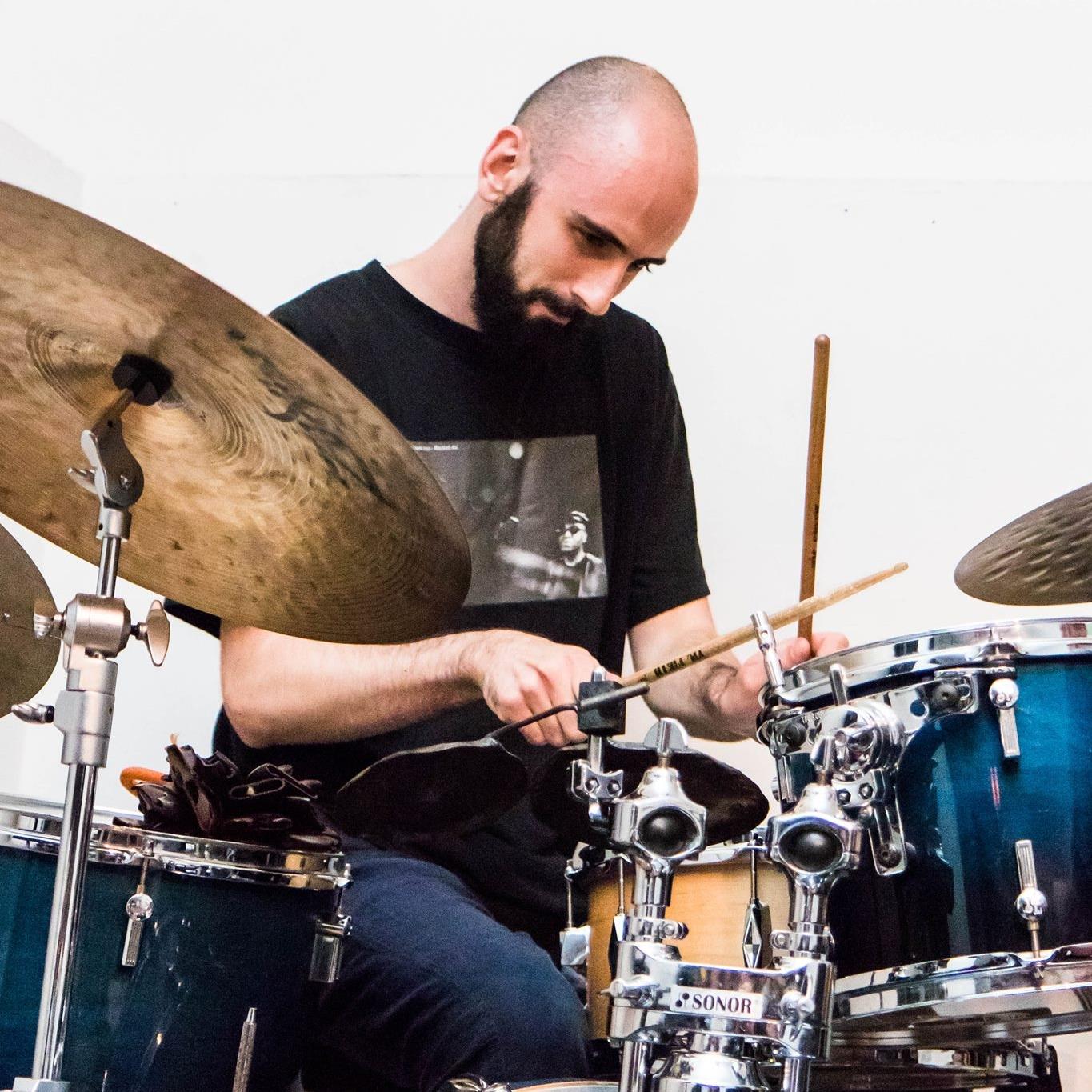
Typical Sisters’ Spotify BioA thoughtfully expansive instrumental trio, Chicago's Typical Sisters make atmospheric, genre-bending music that draws upon jazz, '90s post-rock, Krautrock, and the classic ECM albums of the '70s. Centered on longtime friends Gregory Uhlmann (guitar), Clark Sommers (bass), and Matt Carroll (drums), the band emerged in 2016 with the eponymous Typical Sisters. They have continued to expand their sound with albums such as 2018's Hungry Ghost and 2021's Love Beam.
Initially, the genesis for Typical Sisters began in the mid-2000s when Chicago natives Uhlmann, Carroll, and Sommers got together to jam. During this period, Uhlmann was finishing high school while Carroll had returned home from his studies at the University of Miami. Similarly, Sommers, a graduate of the California Institute of the Arts who would go on to play with Kurt Elling, had also returned home for a holiday visit from his base in New York City. Discovering their shared chemistry, they stayed in touch, and over the next… decade continued to find time to play together. Uhlmann eventually graduated from CalArts, while Sommers and Carroll returned to Chicago full-time. In 2016, they issued their debut full-length, Typical Sisters. The equally expansive Hungry Ghost followed two years later. In 2021, the group returned with the glitchy, experimental Love Beam. ~ Matt Collar, Rovi
Viberate is a music analytics platform built for A&Rs, artist managers, labels, booking agents, marketers, and artists.
It helps music professionals track artist growth, analyze audience data, monitor playlist activity, compare artists, follow song performance, and identify opportunities across the music market.
Public artist pages provide a free preview of selected artist data. Paid plans provide access to deeper analytics, historical data, charts, comparisons, playlist tools, exports, alerts, reports, and additional professional features.
Yes. Public Viberate artist pages provide selected artist analytics and music data for free.
Viberate also offers a 7-day free trial of the full platform. A credit card is required to start the trial. The trial includes access to the complete product so users can test deeper artist analytics, historical views, playlist insights, comparisons, charts, exports, alerts, and reporting features before choosing a paid plan.
Viberate provides artist analytics across streaming, playlists, social media, video, radio airplay, songs, and audience markets.
Users can analyze Spotify performance, Spotify and Apple Music playlists, YouTube activity, TikTok and Instagram growth, radio spins, song performance, audience locations, demographics, rankings, and overall artist momentum.
Artist profiles also connect to music charts, similar artists, and comparison tools, helping users benchmark performance and evaluate artists in context.
Viberate updates key artist and track data daily.
For followed artists and tracks, selected data is refreshed multiple times per day. This helps teams monitor playlist changes, streaming movement, audience growth, releases, and campaign performance with more current data.
Update frequency can vary depending on the metric and data source.
Yes. Viberate lets users compare up to five artists side by side across streaming, social media, audience, and engagement metrics.
Users can compare fanbase growth, audience demographics, locations, Spotify performance, social metrics, and other artist data over selected time periods.
Artist comparison can be used for A&R scouting, benchmarking, booking decisions, campaign planning, and evaluating artists with similar audiences or market positions.