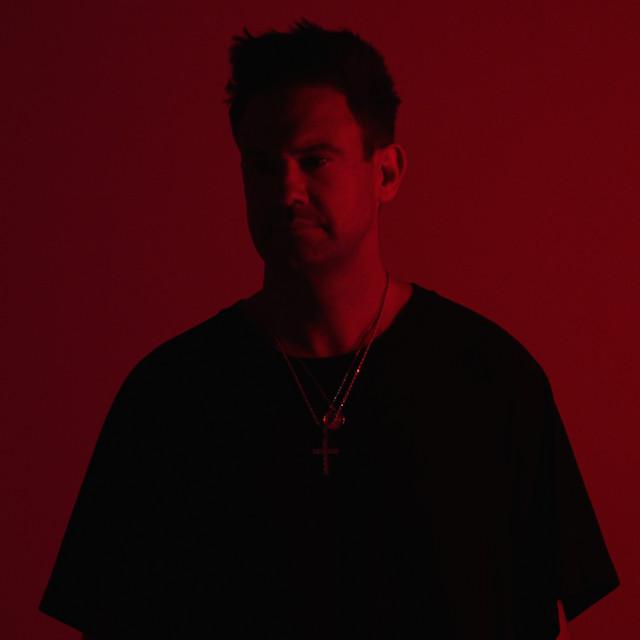
Tymen

Electronic
Dance
 Viberate Rank: 280008
 Viberate Rank: 280008
 Monthly ListenersFollowers
 Subscribers
 Followers
 Followers
 FansTop Spotify Songs
| Track | 7-Day Streams | |
|---|---|---|
1 | 5.09K | |
2 | 538 | |
3 | 388 | |
4 | 355 | |
5 | 131 |
Top YouTube VideosMonthly ListenersFeatured in Playlists| Playlist | Followers | |
|---|---|---|
1 |  drive to nowhere deb | 11.10K |
2 |  Future Pop ☯ Best of Seeb, Alan Walker, R3HAB & many more Tropical House Records | 9.68K |
3 |  EDM 2024 | Electronic Dance Music | Emilia Gärskog | 5.17K |
4 |  Female Vocal EDM Michael Terine | 4.95K |
5 |  Hot House Music / Brand New EDM Liao | 4.49K |
Audience| City | Monthly Listeners | |
|---|---|---|
1 |  | 207 |
2 |  | 180 |
3 |  | 138 |
4 |  | 134 |
5 |  | 112 |
See full performance history, audience data, playlist activity, rankings, comparisons, and more in Viberate music analytics. Start with a free trial, then continue with a paid plan.
Tymen’s Spotify BioAt the age of 12 Tymen developed his first interest in makings music. Eager and dedicated as he was he gently asked his parents for piano lessons on his 13th Birthday. At that point it was hip-hop music that influenced him. Beats produced by Dr. Dre and Eminem with clear piano arrangements were there to take him even further towards producing and composing. In 2014, at the age of 15, Tymen got more interest in house music and started working on his own records.
Not knowing what to do with his productions, Tymen decided to start his own label ‘Silverbeat Records’. After releasing his first records, Tymen got a lot of request for releases. After a few releases he realized that he didn’t’t want to run a label but to create music and perform. Tymen bought his first DJ set and started playing at clubs and parties. He found his way to the major studio’s in Amsterdam. It was there he got on the radar of DJ, producers, labels and publishers.
After graduating the senior General Secondary… Education Tymen decided to take a year off to really focus on his music productions. He developed his own sound that can best best described as Pop-House Productions with future bass and trap influences. His distinctive sound got him bookings at major festivals in Holland (ADE), China, Jakarta and South Korea
Viberate is a music analytics platform built for A&Rs, artist managers, labels, booking agents, marketers, and artists.
It helps music professionals track artist growth, analyze audience data, monitor playlist activity, compare artists, follow song performance, and identify opportunities across the music market.
Public artist pages provide a free preview of selected artist data. Paid plans provide access to deeper analytics, historical data, charts, comparisons, playlist tools, exports, alerts, reports, and additional professional features.
Yes. Public Viberate artist pages provide selected artist analytics and music data for free.
Viberate also offers a 7-day free trial of the full platform. A credit card is required to start the trial. The trial includes access to the complete product so users can test deeper artist analytics, historical views, playlist insights, comparisons, charts, exports, alerts, and reporting features before choosing a paid plan.
Viberate provides artist analytics across streaming, playlists, social media, video, radio airplay, songs, and audience markets.
Users can analyze Spotify performance, Spotify and Apple Music playlists, YouTube activity, TikTok and Instagram growth, radio spins, song performance, audience locations, demographics, rankings, and overall artist momentum.
Artist profiles also connect to music charts, similar artists, and comparison tools, helping users benchmark performance and evaluate artists in context.
Viberate updates key artist and track data daily.
For followed artists and tracks, selected data is refreshed multiple times per day. This helps teams monitor playlist changes, streaming movement, audience growth, releases, and campaign performance with more current data.
Update frequency can vary depending on the metric and data source.
Yes. Viberate lets users compare up to five artists side by side across streaming, social media, audience, and engagement metrics.
Users can compare fanbase growth, audience demographics, locations, Spotify performance, social metrics, and other artist data over selected time periods.
Artist comparison can be used for A&R scouting, benchmarking, booking decisions, campaign planning, and evaluating artists with similar audiences or market positions.