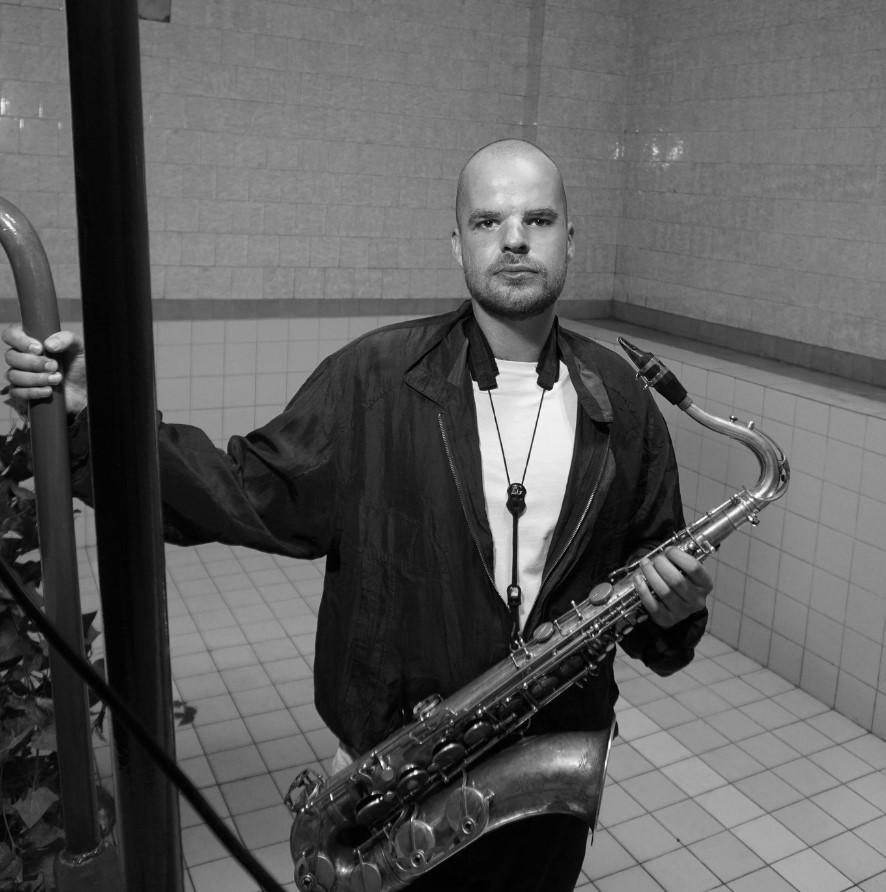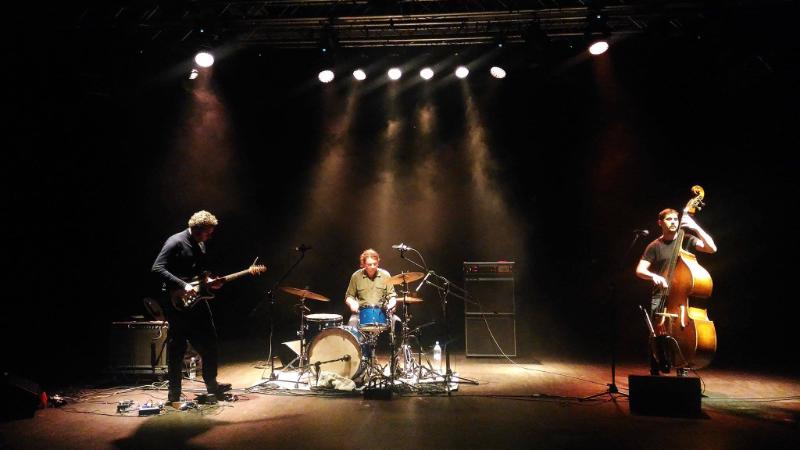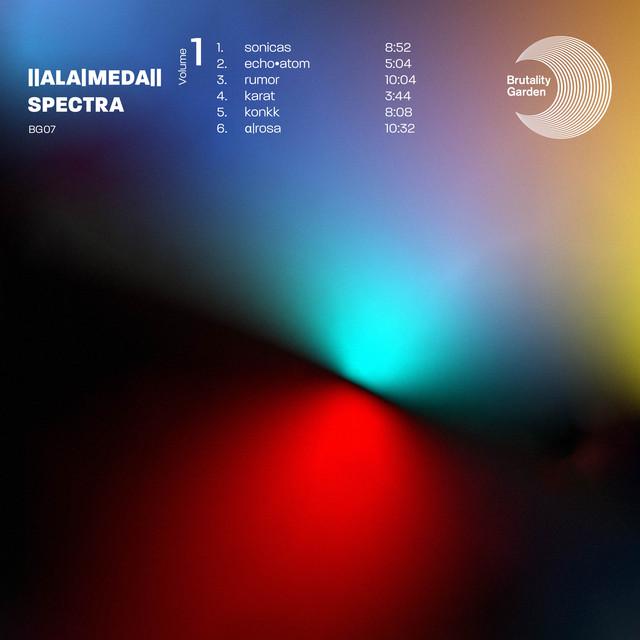
Tymek Papior

Electronic
Other Electronic Music
 Viberate Rank: 155508
 Viberate Rank: 155508
 Monthly ListenersFollowers
 Subscribers
 Followers
 Followers
 FansTop Spotify Songs
| Track | 7-Day Streams | |
|---|---|---|
1 | 57.83K | |
2 | 19.34K | |
3 | 15.24K | |
4 | 13.07K | |
5 | 80 |
Top YouTube VideosMonthly ListenersFeatured in Playlists| Playlist | Followers | |
|---|---|---|
1 |  Radio Kampus - Same sztosy! Radio Kampus | 6.42K |
2 |  IDM / Braindance / Darkjazz / Trip-Hop / Vapor Wave / Wonky / Ambient / Glitch(hop) / Acid Jazz/Juke handsomemonkeyking | 4.90K |
3 |  5²++ vhx:// | 3.76K |
Audience| City | Monthly Listeners | |
|---|---|---|
1 | | 28.18K |
2 | | 10.14K |
3 | | 9.11K |
4 | | 8.56K |
5 | | 8.22K |
See full performance history, audience data, playlist activity, rankings, comparisons, and more in Viberate music analytics. Start with a free trial, then continue with a paid plan.
Tymek Papior’s Spotify BioThe context in which our work is placed focuses on consuming as much diverse content as quickly as possible, rather than extracting as much content as possible from a single work.
The works of visual artists are scrolled through, and never revisited, while musical works are taken out of context and mixed into playlists with AI slop.
As an underground artist, it's hard to reach a wider audience without uploading your music to streaming services. On the other hand, streaming services dehumanize all the work and take individual parts out of context for easier consumption.
This model is totally unethical because, in this case, artists lose out, while large corporations (like spotify) benefit, investing their profits in military startups involved in genocide in Gaza and other propaganda tools. That’s why I am giving up on releasing the entire albums on streaming services, hoping that one day it will be possible to create a conscious community of artists and listeners, not only in the… underground scene.
SUPPORT THE ARTISTS DIRECTLY
For all of my music go to:
www.tymekpapior.bandcamp.com
Viberate is a music analytics platform built for A&Rs, artist managers, labels, booking agents, marketers, and artists.
It helps music professionals track artist growth, analyze audience data, monitor playlist activity, compare artists, follow song performance, and identify opportunities across the music market.
Public artist pages provide a free preview of selected artist data. Paid plans provide access to deeper analytics, historical data, charts, comparisons, playlist tools, exports, alerts, reports, and additional professional features.
Yes. Public Viberate artist pages provide selected artist analytics and music data for free.
Viberate also offers a 7-day free trial of the full platform. A credit card is required to start the trial. The trial includes access to the complete product so users can test deeper artist analytics, historical views, playlist insights, comparisons, charts, exports, alerts, and reporting features before choosing a paid plan.
Viberate provides artist analytics across streaming, playlists, social media, video, radio airplay, songs, and audience markets.
Users can analyze Spotify performance, Spotify and Apple Music playlists, YouTube activity, TikTok and Instagram growth, radio spins, song performance, audience locations, demographics, rankings, and overall artist momentum.
Artist profiles also connect to music charts, similar artists, and comparison tools, helping users benchmark performance and evaluate artists in context.
Viberate updates key artist and track data daily.
For followed artists and tracks, selected data is refreshed multiple times per day. This helps teams monitor playlist changes, streaming movement, audience growth, releases, and campaign performance with more current data.
Update frequency can vary depending on the metric and data source.
Yes. Viberate lets users compare up to five artists side by side across streaming, social media, audience, and engagement metrics.
Users can compare fanbase growth, audience demographics, locations, Spotify performance, social metrics, and other artist data over selected time periods.
Artist comparison can be used for A&R scouting, benchmarking, booking decisions, campaign planning, and evaluating artists with similar audiences or market positions.