Tyler Blinn

Rock
Pop Rock
 Viberate Rank: 265016
 Viberate Rank: 265016
 Monthly ListenersFollowers
 Subscribers
 Followers
 Followers
 FansTop Spotify Songs
| Track | 7-Day Streams | |
|---|---|---|
1 | 41 | |
2 | 37 | |
3 | 29 | |
4 | 12 | |
5 | 6 |
Top YouTube VideosMonthly ListenersFeatured in Playlists| Playlist | Followers | |
|---|---|---|
1 |  70s 80s 90s Smash Hits Natalia | 148.27K |
2 | Danza Contemporánea Camila Aguilera | 1.64K |
3 |  New Wave Pop-Punk Emo & Alternative Rex Arcum | 1.40K |
Audience| City | Monthly Listeners | |
|---|---|---|
1 | | 6 |
2 |  | 5 |
3 |  | 4 |
4 |  | 4 |
5 | | 4 |
See full performance history, audience data, playlist activity, rankings, comparisons, and more in Viberate music analytics. Start with a free trial, then continue with a paid plan.
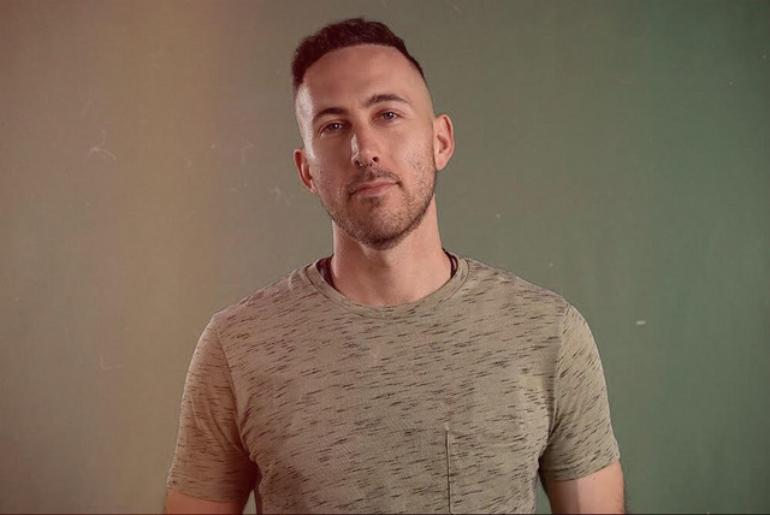
Tyler Blinn’s Spotify BioTyler Michael Blinn, a Phoenix original born in ’92, dons the hats of a pop rock country artist, producer, drummer, and writer—now based in the high desert of Snowflake, Arizona. Brimming with creativity, Tyler’s musical journey is a testament to his storyteller-esque songwriting, emotionally rich vocals, and dynamic live performances.
Influence by The Band CAMINO, Mitchell Tenpenny, Jon Bellion, Bilmuri, Knox, Morgan Wallen, Post Malone, Blinn carves out a lane that’s less about genre and more about gut. His sound fuses popular rock and country textures with pop sensibilities—written from a raw, story-driven core that doesn’t shy away from the messy parts.
After going viral with his “Rap God” drum cover, forming American Wolves and touring with Escape the Fate, and then collaborating with heavyweights like Aaron Gillespie (Underoath, Paramore, The Almost) and Kevin “Thrasher” Gruft (blink-182, mgk, Jelly Roll), Tyler went on to sell out his debut live show, and play a string of… follow-ups, sharing the stage with Martin Johnson ( BOYS LIKE GIRLS, The Night Game).
Now in the summer of 2025, Tyler’s locked in with close to 100 demos recorded—putting the finishing touches on a foundation that will launch a full-blown world of music, visuals, and stories. You can get free backstage access—no pass required—by checking out https://fvr.fan/tylerblinn
Viberate is a music analytics platform built for A&Rs, artist managers, labels, booking agents, marketers, and artists.
It helps music professionals track artist growth, analyze audience data, monitor playlist activity, compare artists, follow song performance, and identify opportunities across the music market.
Public artist pages provide a free preview of selected artist data. Paid plans provide access to deeper analytics, historical data, charts, comparisons, playlist tools, exports, alerts, reports, and additional professional features.
Yes. Public Viberate artist pages provide selected artist analytics and music data for free.
Viberate also offers a 7-day free trial of the full platform. A credit card is required to start the trial. The trial includes access to the complete product so users can test deeper artist analytics, historical views, playlist insights, comparisons, charts, exports, alerts, and reporting features before choosing a paid plan.
Viberate provides artist analytics across streaming, playlists, social media, video, radio airplay, songs, and audience markets.
Users can analyze Spotify performance, Spotify and Apple Music playlists, YouTube activity, TikTok and Instagram growth, radio spins, song performance, audience locations, demographics, rankings, and overall artist momentum.
Artist profiles also connect to music charts, similar artists, and comparison tools, helping users benchmark performance and evaluate artists in context.
Viberate updates key artist and track data daily.
For followed artists and tracks, selected data is refreshed multiple times per day. This helps teams monitor playlist changes, streaming movement, audience growth, releases, and campaign performance with more current data.
Update frequency can vary depending on the metric and data source.
Yes. Viberate lets users compare up to five artists side by side across streaming, social media, audience, and engagement metrics.
Users can compare fanbase growth, audience demographics, locations, Spotify performance, social metrics, and other artist data over selected time periods.
Artist comparison can be used for A&R scouting, benchmarking, booking decisions, campaign planning, and evaluating artists with similar audiences or market positions.