Ty England

Country
Contemporary Country
 Viberate Rank: 326943
 Viberate Rank: 326943
 Monthly ListenersFollowers
 Subscribers
 Followers
 Followers
 FansTop Spotify Songs
| Track | 7-Day Streams | |
|---|---|---|
1 | 264 | |
2 | 176 | |
3 | 88 | |
4 | 82 | |
5 | 63 |
Top YouTube VideosMonthly ListenersFeatured in Playlists| Playlist | Followers | |
|---|---|---|
1 | Country Line Dance Junior Bonner | 21.05K |
2 |  American Country Countdown 1990s Giovanni Tomaro | 1.77K |
3 | Brent Mason Riffs, Intros & Solos! David Maho | 1.30K |
Audience| City | Monthly Listeners | |
|---|---|---|
1 | | 25 |
2 |  | 22 |
3 | | 20 |
4 | | 19 |
5 | | 19 |
See full performance history, audience data, playlist activity, rankings, comparisons, and more in Viberate music analytics. Start with a free trial, then continue with a paid plan.
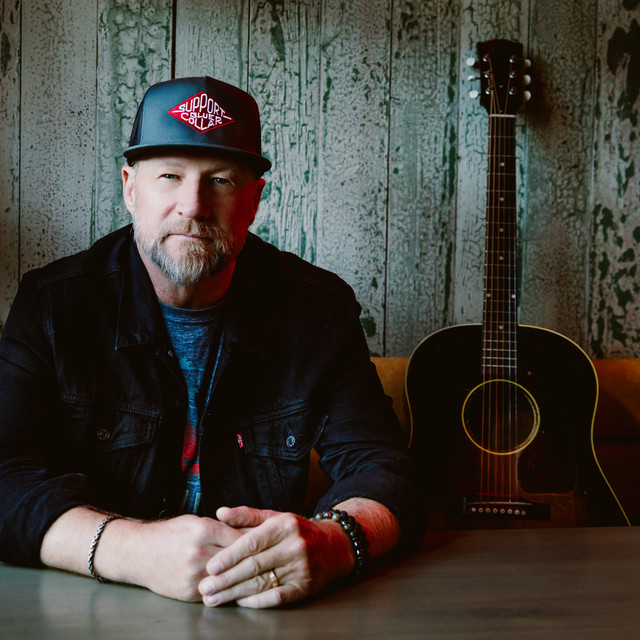
Ty England’s Spotify BioTy England may have struck out on a solo career in 1995 to some success, but to most new country fans he was most recognizable as Garth Brooks' touring guitarist during the height of Brooks' stardom. Raised in Oklahoma, England began playing guitar as a child, teaching himself the instrument on his grandfather's guitar. Over the course of his childhood and adolescence, he delved deeply into country, learning the work of classic singers like Roy Acuff and Hank Williams, as well as contemporary stylists like Don Williams and Keith Whitley. While he was in high school, England sang with a number of bands in addition to the school choir. Following graduation, he attended college at Oklahoma State. During the night, he sang at a campus coffeeshop. One night, he met a fellow student by the name of Garth Brooks. The two became roommates and began playing music together. Eventually, England's grades began to slip, so his parents took him out of school and got him a job back at home. Working at… night, he finished his marketing degree, but instead of pursuing that degree, he had a job as an auto plant representative.
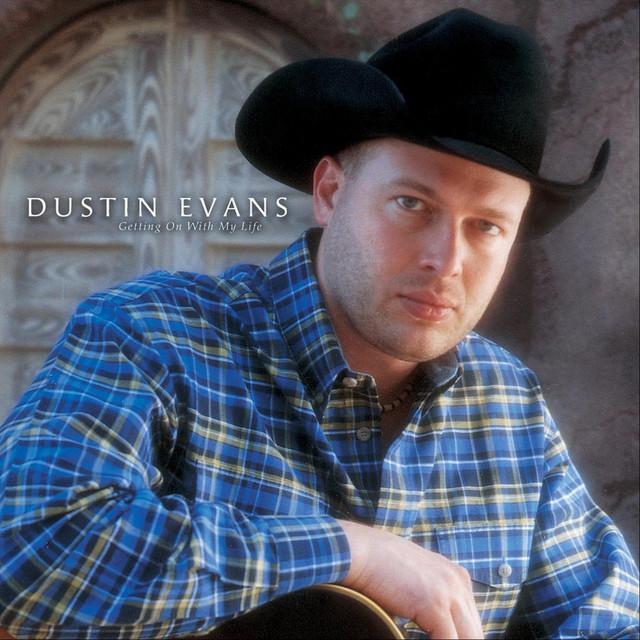
As he was working at the auto plant, he received a call from Brooks, who had just signed a record contract in Nashville. England immediately moved to Nashville and became Brooks' guitarist, backup vocalist, and on-stage comedic foil. After six years, he sought out his own record contract with the assistance of Garth Fundis, a record producer for RCA. Fundis helped England sign a solo deal with RCA and the guitarist released his eponymous debut album in the summer of 1995. The first single from the record, "Should've Asked Her Faster," peaked at number three, while the second single, "Smoke in Her Eyes," became a lesser hit. He followed with Two Ways to Fall in 1996, resurfacing four years later with Highways & Dance Halls. Alive and Well appeared in 2007. ~ Stephen Thomas Erlewine, Rovi
Viberate is a music analytics platform built for A&Rs, artist managers, labels, booking agents, marketers, and artists.
It helps music professionals track artist growth, analyze audience data, monitor playlist activity, compare artists, follow song performance, and identify opportunities across the music market.
Public artist pages provide a free preview of selected artist data. Paid plans provide access to deeper analytics, historical data, charts, comparisons, playlist tools, exports, alerts, reports, and additional professional features.
Yes. Public Viberate artist pages provide selected artist analytics and music data for free.
Viberate also offers a 7-day free trial of the full platform. A credit card is required to start the trial. The trial includes access to the complete product so users can test deeper artist analytics, historical views, playlist insights, comparisons, charts, exports, alerts, and reporting features before choosing a paid plan.
Viberate provides artist analytics across streaming, playlists, social media, video, radio airplay, songs, and audience markets.
Users can analyze Spotify performance, Spotify and Apple Music playlists, YouTube activity, TikTok and Instagram growth, radio spins, song performance, audience locations, demographics, rankings, and overall artist momentum.
Artist profiles also connect to music charts, similar artists, and comparison tools, helping users benchmark performance and evaluate artists in context.
Viberate updates key artist and track data daily.
For followed artists and tracks, selected data is refreshed multiple times per day. This helps teams monitor playlist changes, streaming movement, audience growth, releases, and campaign performance with more current data.
Update frequency can vary depending on the metric and data source.
Yes. Viberate lets users compare up to five artists side by side across streaming, social media, audience, and engagement metrics.
Users can compare fanbase growth, audience demographics, locations, Spotify performance, social metrics, and other artist data over selected time periods.
Artist comparison can be used for A&R scouting, benchmarking, booking decisions, campaign planning, and evaluating artists with similar audiences or market positions.