Twin Wave

Rock
Alternative Rock
 Viberate Rank: 594890
 Viberate Rank: 594890
 Monthly ListenersFollowers
 Subscribers
 Followers
 Followers
 FansTop Spotify Songs
| Track | 7-Day Streams | |
|---|---|---|
1 | 43 | |
2 | 29 | |
3 | 3 | |
4 | 2 | |
5 | 1 |
Top YouTube VideosMonthly ListenersFeatured in Playlists| Playlist | Followers | |
|---|---|---|
1 | Gimme Indie boardwalk | 1.98K |
2 | Q-13 Lounge Zach Carr | 1.80K |
3 | Nike Running Tempo Mix Nina Greenebaum | 1.11K |
4 |  Oh Wonder Atle Hausken Magnussen | 1.09K |
Audience| City | Monthly Listeners | |
|---|---|---|
1 | | 5 |
2 | | 4 |
3 | | 4 |
4 |  | 4 |
5 | | 3 |
See full performance history, audience data, playlist activity, rankings, comparisons, and more in Viberate music analytics. Start with a free trial, then continue with a paid plan.
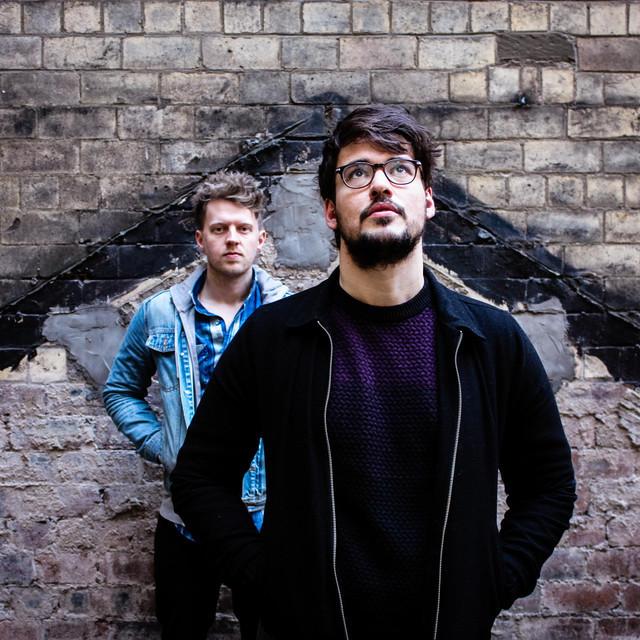
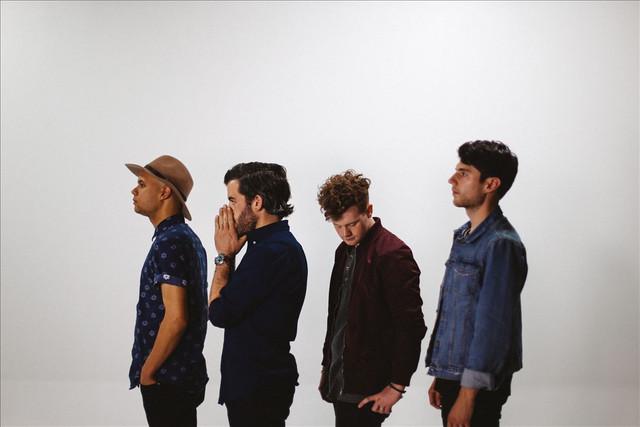
Twin Wave’s Spotify BioAfter forming in 2013, Brooklyn outfit Twin Wave first unleashed their unique blend of dream pop via debut single “Relapse” and a subsequent self-titled EP, which Earmilk described as, “intoxicatingly meditative,” and the Wild Honey Pie cited as “multi-faceted and engrossing...” After its release, the group played throughout the city, with highlights from the New Music Seminar, MTV’s O Music Awards, and NYC’s CMJ Festival and a month long residency at Arlene's Grocery. They've supported acts including JD Samson & MEN, Spirit Animal, Great Caesar, Fort Lean, and Børns.
Since their debut, Twin Wave extensively worked on new music, they dropped a pair of striking singles -- “Into The Night,” and “Feel You,” which Entertainment Weekly described as “a rare smart song that doesn’t go out of its way to show off how smart it is.”
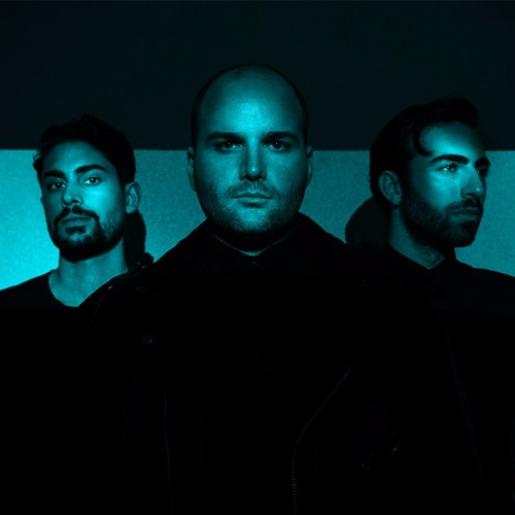
But it wasn’t until Twin Wave underwent a major sea change in 2015 that the group really found its footing. After parting ways with their rhythm section, they became a… trio, featuring founding members Nick Williams (vocals), Sarik Kumar (guitar) and Maxx Berkowitz (guitar). After linking up with producer Tommy Eichmann (Alex Winston), they crafted their mature, breakthrough follow-up Pour Out The Dark, a five-song EP recorded at Brooklyn’s renowned Mission Sound Recording. A sweeping, lush set of tracks, creating a blend of dream pop-rock all their own, fitting somewhere between alternative act Future Islands and the retro rocker howl of the Police.
Viberate is a music analytics platform built for A&Rs, artist managers, labels, booking agents, marketers, and artists.
It helps music professionals track artist growth, analyze audience data, monitor playlist activity, compare artists, follow song performance, and identify opportunities across the music market.
Public artist pages provide a free preview of selected artist data. Paid plans provide access to deeper analytics, historical data, charts, comparisons, playlist tools, exports, alerts, reports, and additional professional features.
Yes. Public Viberate artist pages provide selected artist analytics and music data for free.
Viberate also offers a 7-day free trial of the full platform. A credit card is required to start the trial. The trial includes access to the complete product so users can test deeper artist analytics, historical views, playlist insights, comparisons, charts, exports, alerts, and reporting features before choosing a paid plan.
Viberate provides artist analytics across streaming, playlists, social media, video, radio airplay, songs, and audience markets.
Users can analyze Spotify performance, Spotify and Apple Music playlists, YouTube activity, TikTok and Instagram growth, radio spins, song performance, audience locations, demographics, rankings, and overall artist momentum.
Artist profiles also connect to music charts, similar artists, and comparison tools, helping users benchmark performance and evaluate artists in context.
Viberate updates key artist and track data daily.
For followed artists and tracks, selected data is refreshed multiple times per day. This helps teams monitor playlist changes, streaming movement, audience growth, releases, and campaign performance with more current data.
Update frequency can vary depending on the metric and data source.
Yes. Viberate lets users compare up to five artists side by side across streaming, social media, audience, and engagement metrics.
Users can compare fanbase growth, audience demographics, locations, Spotify performance, social metrics, and other artist data over selected time periods.
Artist comparison can be used for A&R scouting, benchmarking, booking decisions, campaign planning, and evaluating artists with similar audiences or market positions.