Twin Mill

Rock
Alternative Rock
Shoegaze
 Viberate Rank: 350762
 Viberate Rank: 350762
 Monthly ListenersFollowers
 Subscribers
 Followers
 Followers
 FansTop Spotify Songs
| Track | 7-Day Streams | |
|---|---|---|
1 | 1.61K | |
2 | 458 | |
3 | 188 | |
4 | 182 | |
5 | 149 |
Top YouTube VideosMonthly ListenersFeatured in Playlists| Playlist | Followers | |
|---|---|---|
1 |  HEAVY SHOEGAZE. josh.loaf | 73.90K |
2 |  All New Pop Punk 2026 (PUNKERS HUB) PUNKLOID | 4.74K |
3 |  Grungegaze Wave AltRockNow | 2.33K |
4 | Modern Grunge Troy Higgins | 1.75K |
5 |  Raise Your Horns - Rock at its BEST! 20 Year Short Break | 1.07K |
Audience| City | Monthly Listeners | |
|---|---|---|
1 |  | 90 |
2 |  | 85 |
3 | | 82 |
4 | | 80 |
5 |  | 79 |
See full performance history, audience data, playlist activity, rankings, comparisons, and more in Viberate music analytics. Start with a free trial, then continue with a paid plan.
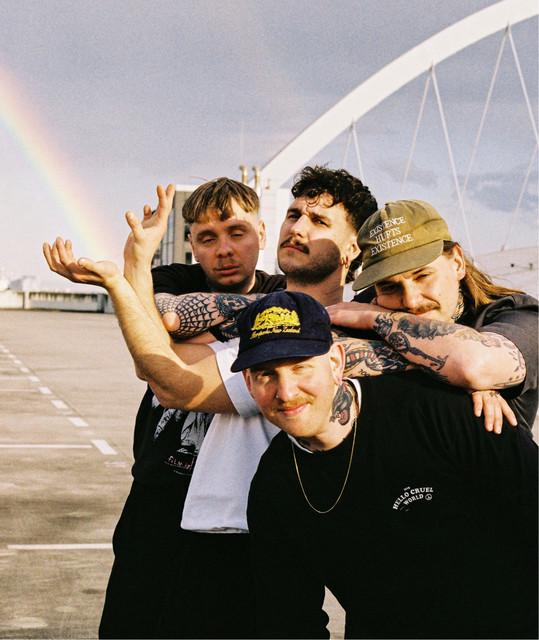
Twin Mill’s Spotify BioAre the nineties back? Anyone who listens to Twin Mill would have to answer that question with a resounding “yes.” Formed in 2022, the quartet from Heilbronn lives and breathes the spirit of the '90s – musically and aesthetically – without ever sounding too nostalgic. With their debut single “Drown” (2023), Twin Mill made an immediate impact on the German rock scene and proved that raw, honest guitar music is more vital than ever.
Twin Mill are Cédric Roser (guitar/vocals), Tobias Schebesch (guitar/vocals), Daniel Bauer (bass), and Fabian Ragg (drums). Together, they fuse grunge, punk, emo, and hardcore into a powerful, energetic, and emotionally resonant sound. Their debut EP Different Skies (2024) earned them praise from scene insiders and landed them support slots for acts like Trophy Eyes, Hot Water Music, and Split Chain.
In 2025, Twin Mill returned with the singles “Rain Head” and “What a Waste” – as uncompromising and emotionally charged as ever. Their sound has grown rawer,… darker, and more mature, echoing influences somewhere between Nirvana, Superheaven, and Deftones – striking a nerve with a generation that longs for authenticity.
Twin Mill have firmly established themselves as one of the most exciting new voices in the German alternative scene: loud, honest, emotional – and with a sharp sense of what modern grunge is supposed to sound like.
Viberate is a music analytics platform built for A&Rs, artist managers, labels, booking agents, marketers, and artists.
It helps music professionals track artist growth, analyze audience data, monitor playlist activity, compare artists, follow song performance, and identify opportunities across the music market.
Public artist pages provide a free preview of selected artist data. Paid plans provide access to deeper analytics, historical data, charts, comparisons, playlist tools, exports, alerts, reports, and additional professional features.
Yes. Public Viberate artist pages provide selected artist analytics and music data for free.
Viberate also offers a 7-day free trial of the full platform. A credit card is required to start the trial. The trial includes access to the complete product so users can test deeper artist analytics, historical views, playlist insights, comparisons, charts, exports, alerts, and reporting features before choosing a paid plan.
Viberate provides artist analytics across streaming, playlists, social media, video, radio airplay, songs, and audience markets.
Users can analyze Spotify performance, Spotify and Apple Music playlists, YouTube activity, TikTok and Instagram growth, radio spins, song performance, audience locations, demographics, rankings, and overall artist momentum.
Artist profiles also connect to music charts, similar artists, and comparison tools, helping users benchmark performance and evaluate artists in context.
Viberate updates key artist and track data daily.
For followed artists and tracks, selected data is refreshed multiple times per day. This helps teams monitor playlist changes, streaming movement, audience growth, releases, and campaign performance with more current data.
Update frequency can vary depending on the metric and data source.
Yes. Viberate lets users compare up to five artists side by side across streaming, social media, audience, and engagement metrics.
Users can compare fanbase growth, audience demographics, locations, Spotify performance, social metrics, and other artist data over selected time periods.
Artist comparison can be used for A&R scouting, benchmarking, booking decisions, campaign planning, and evaluating artists with similar audiences or market positions.