Twice Dark


Metal
Gothic Metal
Cold wave
 Viberate Rank: 446424
 Viberate Rank: 446424
 Monthly ListenersFollowers
 Subscribers
 Followers
 Followers
 FansTop Spotify SongsTop YouTube VideosMonthly ListenersFeatured in Playlists
| Playlist | Followers | |
|---|---|---|
1 |  Goth Dance Party vertical_illusion | 16.87K |
2 | Dark Postpunk | Coldwave | Darkwave by Darklark darklark | 15.01K |
3 | Gothic rock | Deathrock | Postpunk | Darkwave by DARKLARK darklark | 8.42K |
4 |  Indie discoveries by Jai Agnish Jai Agnish | 5.91K |
5 |  Fresh Retrowave Kingo | 5.71K |
Audience| City | Monthly Listeners | |
|---|---|---|
1 | | 9 |
2 |  | 6 |
3 |  | 5 |
4 | | 4 |
5 | | 4 |
See full performance history, audience data, playlist activity, rankings, comparisons, and more in Viberate music analytics. Start with a free trial, then continue with a paid plan.
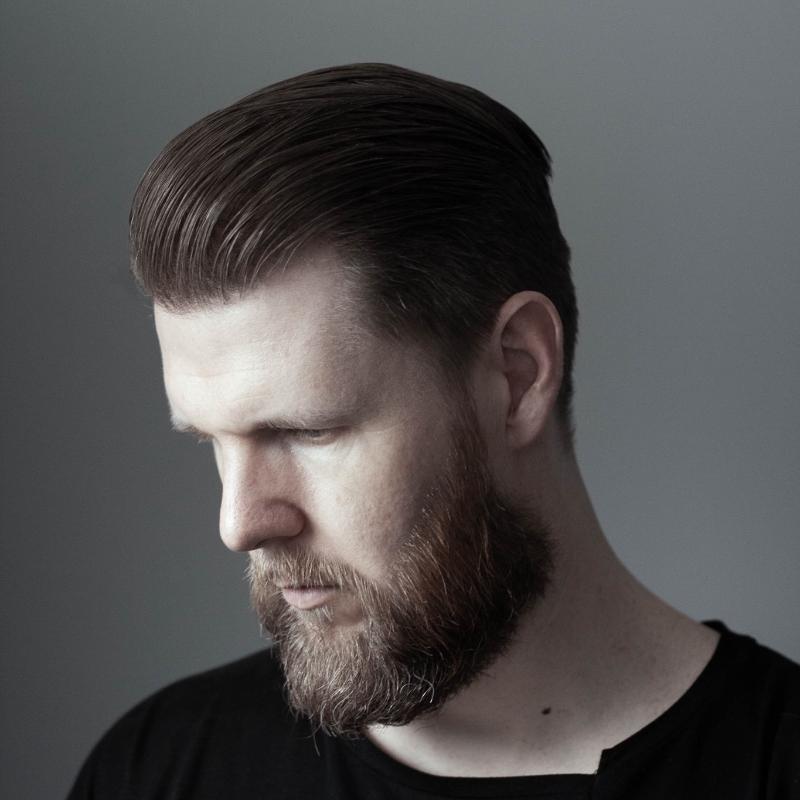
Twice Dark’s Spotify BioIn the neo-gothic realms of Bloomington, Indiana, Josh Kreuzman birthed the spectral music project Twice Dark in 2020. Inspired by the melancholic grandeur of decaying industrial spaces, Twice Dark weaves together goth, industrial, EBM, italodisco, deathrock, coldwave, and darkwave, capturing a haunting elegance reminiscent of a forgotten era.
Post-punk.com describes Twice Dark as being, “dipped in auditory shadows and echoing with the retro resonance of the 1980s music scene...like a phantom reaching out through a fog of time.”
Kreuzman’s artistic roots run deep, having earned a BFA in Sculpture and a Minor in Art History from Indiana University Bloomington in 2005. His band experience dates back to 1992, when he first dabbled in punk bands during high school. In college, he continued experimenting with alternative and punk sounds before transitioning into the indie rock scene, which eventually evolved into the dark, eclectic sound that defines Twice Dark.
In 2022, Kreuzman curated and… released the "Midwest Gothic" compilation, a collection featuring bands from across the Midwest. The project was praised as "awesome" and "stacked with talent" by soundandshadows.com. Kreuzman celebrated the project with a live show in Indianapolis in early 2023.
His upcoming 2025 album, 'Telekinetic', promises to take listeners even deeper into his haunting, sonic landscapes, solidifying Twice Dark as a rising force in the world of darkwave and electronic music.
Viberate is a music analytics platform built for A&Rs, artist managers, labels, booking agents, marketers, and artists.
It helps music professionals track artist growth, analyze audience data, monitor playlist activity, compare artists, follow song performance, and identify opportunities across the music market.
Public artist pages provide a free preview of selected artist data. Paid plans provide access to deeper analytics, historical data, charts, comparisons, playlist tools, exports, alerts, reports, and additional professional features.
Yes. Public Viberate artist pages provide selected artist analytics and music data for free.
Viberate also offers a 7-day free trial of the full platform. A credit card is required to start the trial. The trial includes access to the complete product so users can test deeper artist analytics, historical views, playlist insights, comparisons, charts, exports, alerts, and reporting features before choosing a paid plan.
Viberate provides artist analytics across streaming, playlists, social media, video, radio airplay, songs, and audience markets.
Users can analyze Spotify performance, Spotify and Apple Music playlists, YouTube activity, TikTok and Instagram growth, radio spins, song performance, audience locations, demographics, rankings, and overall artist momentum.
Artist profiles also connect to music charts, similar artists, and comparison tools, helping users benchmark performance and evaluate artists in context.
Viberate updates key artist and track data daily.
For followed artists and tracks, selected data is refreshed multiple times per day. This helps teams monitor playlist changes, streaming movement, audience growth, releases, and campaign performance with more current data.
Update frequency can vary depending on the metric and data source.
Yes. Viberate lets users compare up to five artists side by side across streaming, social media, audience, and engagement metrics.
Users can compare fanbase growth, audience demographics, locations, Spotify performance, social metrics, and other artist data over selected time periods.
Artist comparison can be used for A&R scouting, benchmarking, booking decisions, campaign planning, and evaluating artists with similar audiences or market positions.