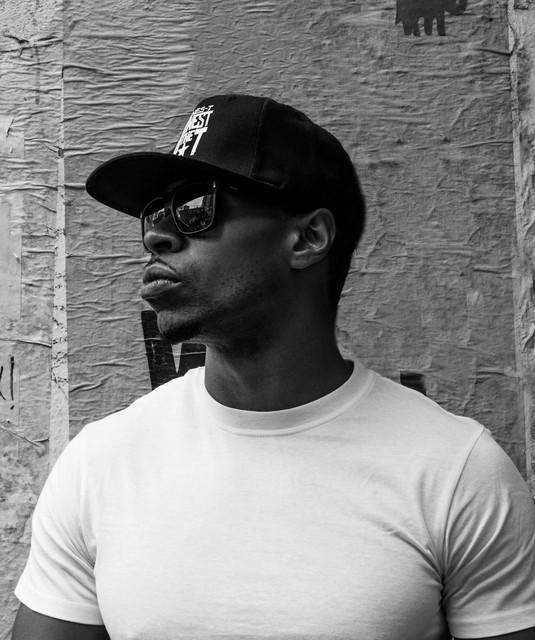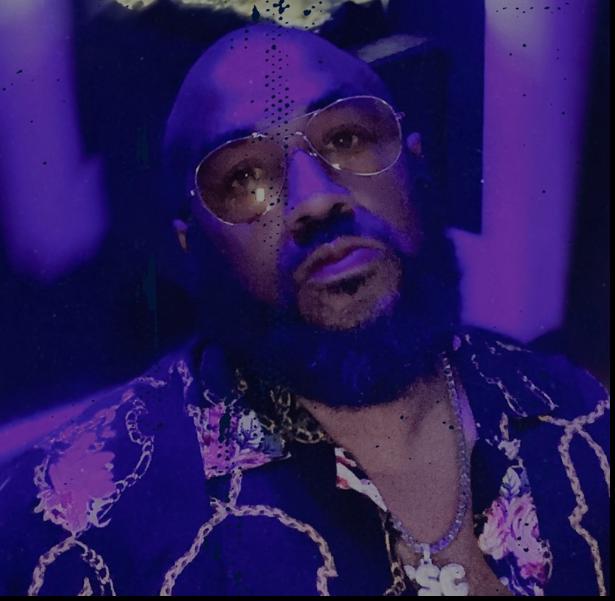
TSC

Hip Hop
Contemporary Hip Hop
 Viberate Rank: 270869
 Viberate Rank: 270869
 Monthly ListenersFollowers
 Subscribers
 Followers
 Followers
 FansTop Spotify Songs
| Track | 7-Day Streams | |
|---|---|---|
1 | 2.75K | |
2 | 2.75K | |
3 | 6 | |
4 | 5 | |
5 | 3 |
Top YouTube VideosMonthly ListenersFeatured in Playlists| Playlist | Followers | |
|---|---|---|
1 | Strip Club: Anthems Pino Ball | 5.72K |
2 |  Best R&B Songs HomePod | 4.31K |
3 |  Remixes 2026 Seal Network | 3.18K |
4 |  𝔯𝔞𝔭 𝔱𝔯𝔞𝔫𝔮𝔲𝔦𝔩𝔬 RIGHT NOW! | 2.36K |
5 |  Fitness EDM | GYM Dance Music ⚫ Wolfpack, Bassjackers, Baba Yega - Halloween SATID by Music Moods | 1.40K |
Audience| City | Monthly Listeners | |
|---|---|---|
1 |  | 249 |
2 |  | 176 |
3 | | 132 |
4 |  | 109 |
5 | | 93 |
See full performance history, audience data, playlist activity, rankings, comparisons, and more in Viberate music analytics. Start with a free trial, then continue with a paid plan.
TSC’s Spotify BioTSC was born in West Marion, North Carolina and grew up on Grayson Street. As young kid he was a major Micheal Jackson fan he use to know all his dance moves all his songs as he got older he grew to be a big fan of Tupac Shakur. As time went on he started putting together music in his room later on went and got a karaoke machine, although he didn't use it as a typical karaoke machine it was used it to record his demo's, then later moved on to track machines. After joining the Army in 2000 a fellow soldier gave him insight that there was a better way of recording through the computer, he gave him much needed software to practice with so he vigously spent hours on end sharping his talent through the software learned the software and I mean EVERYTHING about the software. When he started want to learn how to produce beats people were funny acting because beats were not readily available as they are now, the internet was not as used as it is now, producers .They were only a handful of them… and not everyone knew a producer, as he would go to a studio to record songs he would watch them produce a beat and he would watch and learn and go home and try to mimic what they had did earlier but it would never come out the same for him so in turn he perfected his own style. After leaving the military he set out on his own trying to build his own label after being approached by Diddy he choose to do it own his own but without the experience and the know how and resources
Viberate is a music analytics platform built for A&Rs, artist managers, labels, booking agents, marketers, and artists.
It helps music professionals track artist growth, analyze audience data, monitor playlist activity, compare artists, follow song performance, and identify opportunities across the music market.
Public artist pages provide a free preview of selected artist data. Paid plans provide access to deeper analytics, historical data, charts, comparisons, playlist tools, exports, alerts, reports, and additional professional features.
Yes. Public Viberate artist pages provide selected artist analytics and music data for free.
Viberate also offers a 7-day free trial of the full platform. A credit card is required to start the trial. The trial includes access to the complete product so users can test deeper artist analytics, historical views, playlist insights, comparisons, charts, exports, alerts, and reporting features before choosing a paid plan.
Viberate provides artist analytics across streaming, playlists, social media, video, radio airplay, songs, and audience markets.
Users can analyze Spotify performance, Spotify and Apple Music playlists, YouTube activity, TikTok and Instagram growth, radio spins, song performance, audience locations, demographics, rankings, and overall artist momentum.
Artist profiles also connect to music charts, similar artists, and comparison tools, helping users benchmark performance and evaluate artists in context.
Viberate updates key artist and track data daily.
For followed artists and tracks, selected data is refreshed multiple times per day. This helps teams monitor playlist changes, streaming movement, audience growth, releases, and campaign performance with more current data.
Update frequency can vary depending on the metric and data source.
Yes. Viberate lets users compare up to five artists side by side across streaming, social media, audience, and engagement metrics.
Users can compare fanbase growth, audience demographics, locations, Spotify performance, social metrics, and other artist data over selected time periods.
Artist comparison can be used for A&R scouting, benchmarking, booking decisions, campaign planning, and evaluating artists with similar audiences or market positions.