True Steppers

Electronic
House
Dubstep
 Viberate Rank: 294822
 Viberate Rank: 294822
 Monthly ListenersFollowers
 Subscribers
 Followers
 Followers
 FansTop Spotify SongsTop YouTube VideosMonthly ListenersFeatured in Playlists
| Playlist | Followers | |
|---|---|---|
1 |  🇬🇧 UK GARAGE BANGERS 🇬🇧 Jamie Cairney | 69.55K |
2 |  Now 1 - 114 (1983 - 2023) Now That's What I Call Music 1 - 114 abundantmusic | 56.69K |
3 |  Back to the Old Skool Antony Horwood | 42.82K |
4 |  2000sPopHits 2000sPopHits | 38.20K |
5 |  Pure Garage Classics Mark Jason | 27.84K |
Audience| City | Monthly Listeners | |
|---|---|---|
1 | | 2.76K |
2 | | 905 |
3 | | 674 |
4 |  | 269 |
5 | | 247 |
See full performance history, audience data, playlist activity, rankings, comparisons, and more in Viberate music analytics. Start with a free trial, then continue with a paid plan.
True Steppers’ Spotify BioThis duo from the UK, comprising Jonny Lisners and Andy Lysandrou, go back a long way in dance music. Lysandrou was a budding young DJ, into hip-hop, acid house and hardcore, sharing rosters with Pete Tong and Tim Westwood among others. New broadcasting laws enforced in 1989 led to him being banned from the airwaves for five years, but he used this period to set up Boogie Beat Records, servicing dance floors with jungle and hardcore. From here he set up Ice Cream, an independent UK garage label, and was responsible for Double 99’s searing cut ‘R.I.P. Groove’, recognised by many as a great example of early UK garage. Lisners is the man behind Jonny L. , and wrote ‘Hurt You So’, a rave classic of 1992. A disastrous car crash left him without any sensation in his left hand, but he put this to good use as he financed a studio with the compensation. Signing to XL Records, he concentrated on producing quality drum ‘n’ bass, most notably the club favourite ‘Piper’. The two Jonny L. albums,… Sawtooth (1997) and Magnetic (1998), established him as one of the genre’s main players with their brooding, minimal textures.
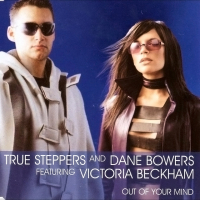
The two began True Steppers in 1998 with a re-release of ‘Hurt You So’, before joining forces with ‘R.I.P. Groove’ star Top Cat for ‘Beng Beng’. What really catapulted the duo to pop star status was ‘Buggin’’, a collaboration with Dane Bowers (ex-Another Level) that proved a popular tune with the UK garage crowd. The following ‘Out Of Your Mind’ blew up a storm of publicity for the duo, Bowers and guest vocalist Spice Girls’ Victoria Beckham as they ran a fierce head to head chart battle in 2000 with Spiller’s ‘Groovejet (If This Ain’t Love)’. True Steppers lost the fight, the result a UK number 2 single, but they ultimately won the war with their assured debut True Stepping. Packed with guest vocalists, including Brian Harvey, Donell Jones, Kele Le Roc and Neutrino, the record struck that rare combination of polished pop and underground sensibility.
Viberate is a music analytics platform built for A&Rs, artist managers, labels, booking agents, marketers, and artists.
It helps music professionals track artist growth, analyze audience data, monitor playlist activity, compare artists, follow song performance, and identify opportunities across the music market.
Public artist pages provide a free preview of selected artist data. Paid plans provide access to deeper analytics, historical data, charts, comparisons, playlist tools, exports, alerts, reports, and additional professional features.
Yes. Public Viberate artist pages provide selected artist analytics and music data for free.
Viberate also offers a 7-day free trial of the full platform. A credit card is required to start the trial. The trial includes access to the complete product so users can test deeper artist analytics, historical views, playlist insights, comparisons, charts, exports, alerts, and reporting features before choosing a paid plan.
Viberate provides artist analytics across streaming, playlists, social media, video, radio airplay, songs, and audience markets.
Users can analyze Spotify performance, Spotify and Apple Music playlists, YouTube activity, TikTok and Instagram growth, radio spins, song performance, audience locations, demographics, rankings, and overall artist momentum.
Artist profiles also connect to music charts, similar artists, and comparison tools, helping users benchmark performance and evaluate artists in context.
Viberate updates key artist and track data daily.
For followed artists and tracks, selected data is refreshed multiple times per day. This helps teams monitor playlist changes, streaming movement, audience growth, releases, and campaign performance with more current data.
Update frequency can vary depending on the metric and data source.
Yes. Viberate lets users compare up to five artists side by side across streaming, social media, audience, and engagement metrics.
Users can compare fanbase growth, audience demographics, locations, Spotify performance, social metrics, and other artist data over selected time periods.
Artist comparison can be used for A&R scouting, benchmarking, booking decisions, campaign planning, and evaluating artists with similar audiences or market positions.