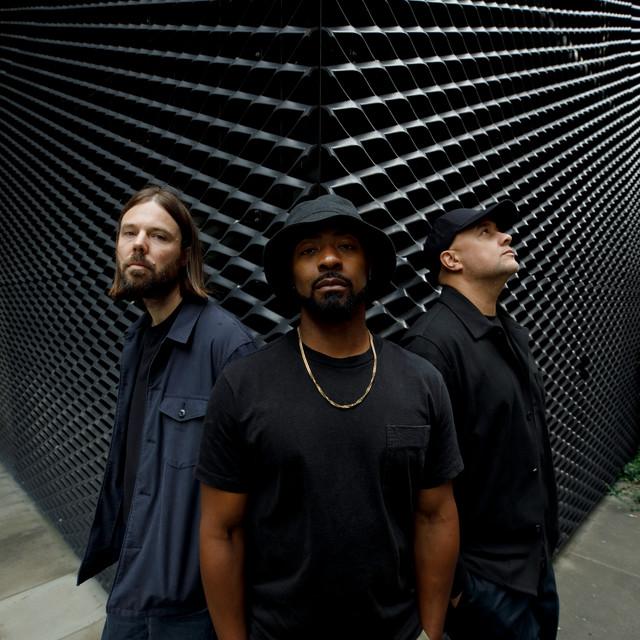
TroyBoi

Electronic
Trap/Future Bass
 Viberate Rank: 11246
 Viberate Rank: 11246
 Monthly ListenersFollowers
 Subscribers
 Followers
 Followers
 FansTop Spotify Songs
| Track | 7-Day Streams | |
|---|---|---|
1 | 251.11K | |
2 | 99.37K | |
3 | 74.57K | |
4 | 36.34K | |
5 | 33.69K |
Top YouTube Videos| Video | 7-Day Views | |
|---|---|---|
1 | 60.94K | |
2 | 44.82K | |
3 | 23.56K | |
4 | 22.21K | |
5 | 13.91K |
Monthly ListenersFeatured in Playlists| Playlist | Followers | |
|---|---|---|
1 |  This Is Justin Bieber Spotify | 3.54M |
2 |  Hype Spotify | 2.56M |
3 |  Billie Eilish: Complete Collection Billie Eilish | 1.59M |
4 |  Bass Arcade Spotify | 995.87K |
5 |  Trap Mojito Spotify | 869.73K |
Audience| City | Monthly Listeners | |
|---|---|---|
1 |  | 19.48K |
2 |  | 19.30K |
3 |  | 16.92K |
4 | | 15.60K |
5 | | 15.11K |
See full performance history, audience data, playlist activity, rankings, comparisons, and more in Viberate music analytics. Start with a free trial, then continue with a paid plan.
TroyBoi’s Spotify BioT-R-O-Y-B-O-I. These letters are chanted by the masses at his shows, but the question is who is the artist incorporating stunning visuals, live instruments and talented dancers.
Troy Henry, the elusive producer got his start making beats standing up in his London apartment kitchen with his MacBook and a MIDI keyboard. Today, the TroyBoi Experience is a musical journey of hard-hitting beats, lights, visuals, and the unexpected. While his musical style can be classified as trap, it's extraordinarily unique, versatile, and fuses various textures from multiple genres.
Beyond his career releases which include his debut album Left Is Right (2017) and series of V!BEZ EPs in 2018 and 2019, his productions have caught the ear of major music stars. His 2018 remix of Billie Eilish's “MyBoi-TroyBoi Remix” has over 107 million Spotify streams and in 2019, Rihanna featured two of his songs "Do You?" and "Malokara" at her Savage x Fenty show, seen globally via Amazon Prime. In 2020 released, his highly… anticipated VIBEZ Vol.4 featuring hits like, “Do You” and “Bellz.”
In early 2021, he released, "Mad Ting,” “Buss It,” and “RedEye” with Justin Bieber which currently has over 93 million streams on Spotify. In 2022, Troy showed his true love and inspiration for Latin Music with an EP titled "INFLUENDO". In April 2023, the EP "SAY LESS" was released assembling some of trap music's OGs. TroyBoi revealed his “4 ON DA FLOOR” EP in June 2024 further establishing his mark in the music industry.
Viberate is a music analytics platform built for A&Rs, artist managers, labels, booking agents, marketers, and artists.
It helps music professionals track artist growth, analyze audience data, monitor playlist activity, compare artists, follow song performance, and identify opportunities across the music market.
Public artist pages provide a free preview of selected artist data. Paid plans provide access to deeper analytics, historical data, charts, comparisons, playlist tools, exports, alerts, reports, and additional professional features.
Yes. Public Viberate artist pages provide selected artist analytics and music data for free.
Viberate also offers a 7-day free trial of the full platform. A credit card is required to start the trial. The trial includes access to the complete product so users can test deeper artist analytics, historical views, playlist insights, comparisons, charts, exports, alerts, and reporting features before choosing a paid plan.
Viberate provides artist analytics across streaming, playlists, social media, video, radio airplay, songs, and audience markets.
Users can analyze Spotify performance, Spotify and Apple Music playlists, YouTube activity, TikTok and Instagram growth, radio spins, song performance, audience locations, demographics, rankings, and overall artist momentum.
Artist profiles also connect to music charts, similar artists, and comparison tools, helping users benchmark performance and evaluate artists in context.
Viberate updates key artist and track data daily.
For followed artists and tracks, selected data is refreshed multiple times per day. This helps teams monitor playlist changes, streaming movement, audience growth, releases, and campaign performance with more current data.
Update frequency can vary depending on the metric and data source.
Yes. Viberate lets users compare up to five artists side by side across streaming, social media, audience, and engagement metrics.
Users can compare fanbase growth, audience demographics, locations, Spotify performance, social metrics, and other artist data over selected time periods.
Artist comparison can be used for A&R scouting, benchmarking, booking decisions, campaign planning, and evaluating artists with similar audiences or market positions.