Trio Potiguá

Latin
Forró
 Viberate Rank: 233707
 Viberate Rank: 233707
 Monthly ListenersFollowers
 Subscribers
 Followers
 Followers
 FansTop Spotify Songs
| Track | 7-Day Streams | |
|---|---|---|
1 | 3.53K | |
2 | 3.43K | |
3 | 2.46K | |
4 | 2.12K | |
5 | 532 |
Top YouTube VideosMonthly ListenersFeatured in Playlists| Playlist | Followers | |
|---|---|---|
1 |  Forró Pé de Serra Single Music | 103.98K |
2 | Forró Universitário Alcides Melo | 19.01K |
3 | xotezinho Lucas Ribeiro | 8.25K |
4 |  PÉ DE SERRA | SÓ SUCESSOS - As Mais Tocadas de Todos Os Tempos -❤️🪗🎵 Discodeviniltop | 7.93K |
5 | Forró Stream thalesbiolck | 7.49K |
Audience| City | Monthly Listeners | |
|---|---|---|
1 | | 4.01K |
2 | | 1.83K |
3 | | 1.40K |
4 | | 917 |
5 | | 726 |
See full performance history, audience data, playlist activity, rankings, comparisons, and more in Viberate music analytics. Start with a free trial, then continue with a paid plan.
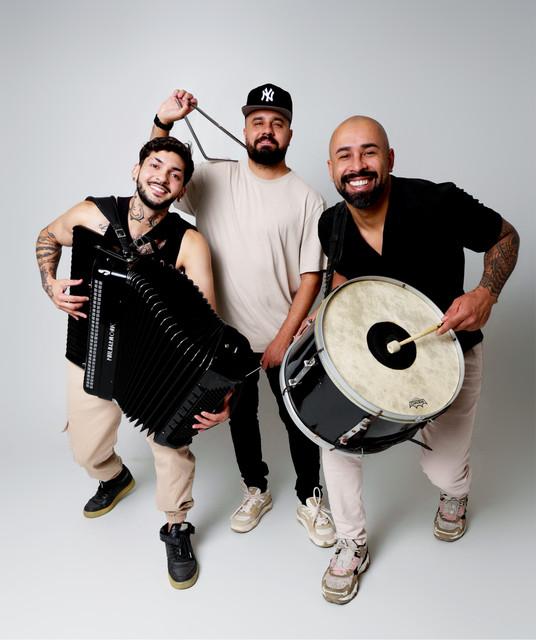
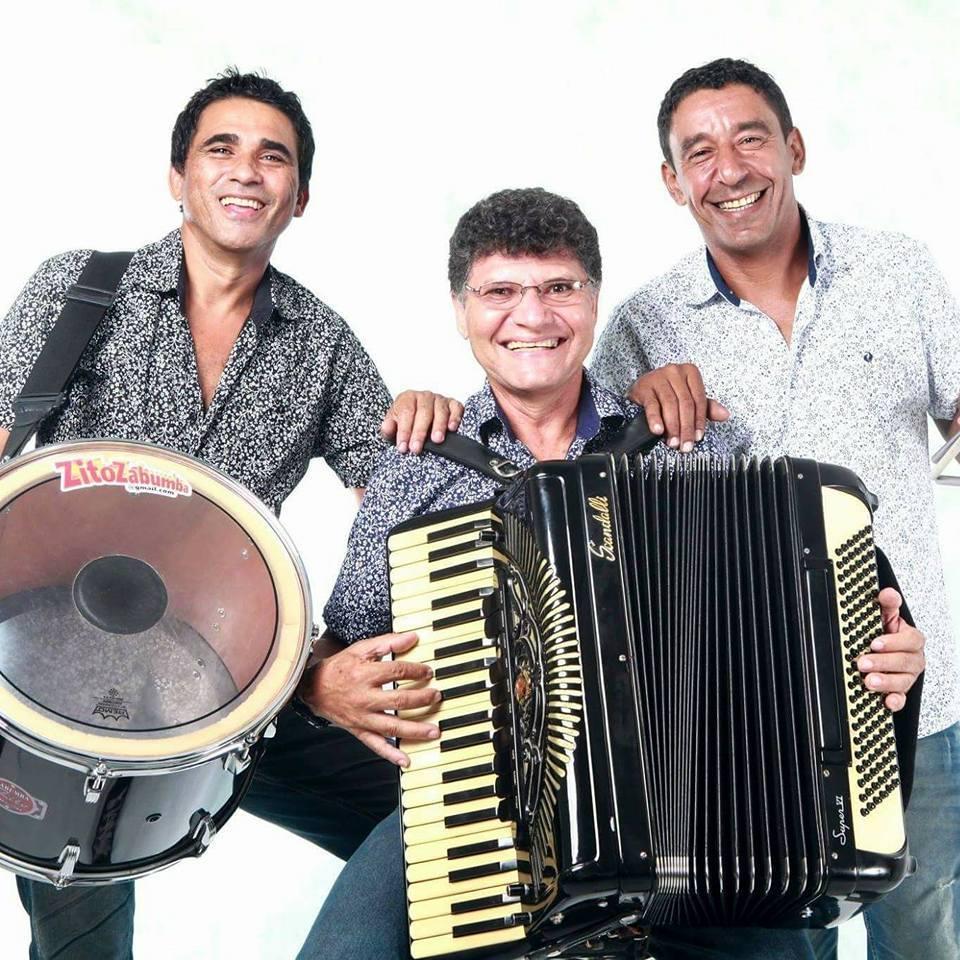
Trio Potiguá’s Spotify BioFundada em 2001,pelos irmãos João Preá e Zezinho Preá, a banda “Potiguá” é composta por quatro integrantes que desde cedo tiveram suas raízes fincadas no forró. O primeiro álbum, intitulado “Pé na Estrada”, foi lançado em 2002 e, na sequência, vieram outros cinco CDs, e a gravação do primeiro DVD. A banda é composta Zezinho Preá, no acordeom, João Preá, na zabumba, Diego Freitas no vocal e no triângulo, e Johnny Man, no baixo.
A banda tem composições próprias com mais de 200 músicas assinadas por Zezinho Preá e alguns parceiros. Entre as principais canções, destacam-se“Aguardar Você”, “Nossa História”, “Trem Bom”, “Lua Clara” e “Tudo de Bom”.
Há 17 anos na estrada, o grupo de forró “Potiguá” já se apresentou em Itaúnas, no Espírito Santo, na festa no Parque do Povo, em Campina Grande, na Paraíba, no encontro das tribos, em São Bernardo do Campo, na Grande São Paulo, e no Circo Voador, no Rio de Janeiro.
Viberate is a music analytics platform built for A&Rs, artist managers, labels, booking agents, marketers, and artists.
It helps music professionals track artist growth, analyze audience data, monitor playlist activity, compare artists, follow song performance, and identify opportunities across the music market.
Public artist pages provide a free preview of selected artist data. Paid plans provide access to deeper analytics, historical data, charts, comparisons, playlist tools, exports, alerts, reports, and additional professional features.
Yes. Public Viberate artist pages provide selected artist analytics and music data for free.
Viberate also offers a 7-day free trial of the full platform. A credit card is required to start the trial. The trial includes access to the complete product so users can test deeper artist analytics, historical views, playlist insights, comparisons, charts, exports, alerts, and reporting features before choosing a paid plan.
Viberate provides artist analytics across streaming, playlists, social media, video, radio airplay, songs, and audience markets.
Users can analyze Spotify performance, Spotify and Apple Music playlists, YouTube activity, TikTok and Instagram growth, radio spins, song performance, audience locations, demographics, rankings, and overall artist momentum.
Artist profiles also connect to music charts, similar artists, and comparison tools, helping users benchmark performance and evaluate artists in context.
Viberate updates key artist and track data daily.
For followed artists and tracks, selected data is refreshed multiple times per day. This helps teams monitor playlist changes, streaming movement, audience growth, releases, and campaign performance with more current data.
Update frequency can vary depending on the metric and data source.
Yes. Viberate lets users compare up to five artists side by side across streaming, social media, audience, and engagement metrics.
Users can compare fanbase growth, audience demographics, locations, Spotify performance, social metrics, and other artist data over selected time periods.
Artist comparison can be used for A&R scouting, benchmarking, booking decisions, campaign planning, and evaluating artists with similar audiences or market positions.