Trio Mocotó

Latin
Samba
Folk Rock
 Viberate Rank: 35660
 Viberate Rank: 35660
 Monthly ListenersFollowers
 Subscribers
 Followers
 Followers
 FansTop Spotify Songs
| Track | 7-Day Streams | |
|---|---|---|
1 | 295.86K | |
2 | 240.64K | |
3 | 234.00K | |
4 | 90.49K | |
5 | 90.15K |
Top YouTube Videos| Video | 7-Day Views | |
|---|---|---|
1 | 2.36K | |
2 | 1.52K | |
3 | 387 | |
4 | 269 | |
5 | 132 |
Monthly ListenersFeatured in Playlists| Playlist | Followers | |
|---|---|---|
1 |  O Melhor da MPB Spotify | 1.47M |
2 |  Coleção MPB Spotify | 613.32K |
3 |  MPB Clássicas - As Melhores Leo Rocha | 324.71K |
4 |  Cafe del Mar Ibiza Chillout 2026 Café del Mar | 312.90K |
5 |  Bossa Nova Dinner 2026 🍷 bossanova music & covers Filtr Legacy Sweden | 190.04K |
Audience| City | Monthly Listeners | |
|---|---|---|
1 | | 45.79K |
2 | | 12.40K |
3 | | 6.94K |
4 | | 5.28K |
5 | | 5.16K |
See full performance history, audience data, playlist activity, rankings, comparisons, and more in Viberate music analytics. Start with a free trial, then continue with a paid plan.
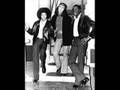
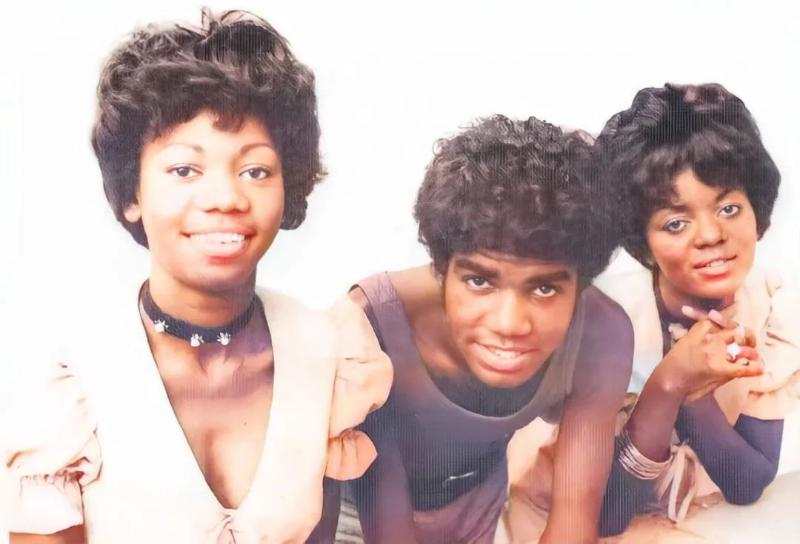
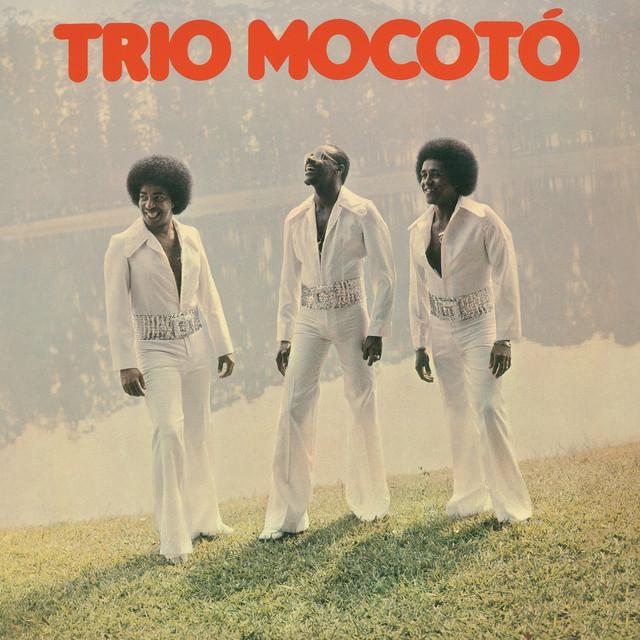
Trio Mocotó’s Spotify BioThe Trio Mocotó is a group that shaped a style that would be known as samba-rock, resulting in the fusion of the two genres. The trio influenced many artists who were searching for some kind of fusion between Brazilian and American pop music, like Tim Maia and Jorge Ben, whom they backed in recordings and performances both in Brazil and internationally.
The trio was formed in 1968 in the Jogral nightclub (São Paulo) by Fritz Escovão, Joãozinho Parahyba, and Nereu Gargalo, who were the regular backing musicians for the featured artists, such as Clementina de Jesus, Nelson Cavaquinho, Cartola, and other performers. The Jogral was one of the most important nightclubs of Brazil in that time, and international artists like Duke Ellington, Oscar Peterson, and Earl Hines also performed there, accompanied by the Trio Mocotó. As Jorge Ben (later Jorge Ben Jor) used to sit in often, the trio became Ben's backup band. The result was the sound that Ben was searching for, a kind of fusion between… samba and rock. The trio accompanied Ben in virtually all the tracks on Ben's album Jorge Ben (Philips, 1969). As Ben's supporting band for the performance of "Charles Anjo 45" at the IV Festival Internacional da Canção, the trio had to choose a name, so Mocotó was adopted as a reference to a slang word for ladies' legs. (The polemical and somewhat aggressive song was met with massive booing in the packed Maracanãzinho). "Eu Quero Mocotó," another composition by Ben (dedicated to ladies' legs, not to the trio), was also performed in the same festival by Erlon Chaves and Banda Veneno, with Ben and the trio as guests.
During the early '70s, the trio was very busy. They hit the charts with the single "Coqueiro Verde" (Roberto Carlos/Erasmo Carlos) and soon departed to Cannes, France, where they accompanied Ben in his performance at MIDEM (which launched a European tour with the composer/musician). In Japan they all recorded a live album (unreleased at the time in Brazil). Upon their return, they accompanied Ben and Toquinho for the recording of "Que Maravilha" and departed once more for an international tour with Ben. Returning to Brazil, they were invited by Toquinho and Vinícius de Moraes to back them in some recordings as well as accompanying them (together with Marília Medalha) in the Encontro show, touring the country in the college circuit, and then through Mexico.
Their first LP came in 1971, Muita Zorra (Philips), followed by two others in 1973 (RGE) and 1975. With advent of the disco craze and the subsequent waning of interest in live music, the group ran out of work and dissolved. In 2000, after 24 years without performing together, they teamed up again to play on the Jô Soares TV show commemorate the group's 30th anniversary. Fritz Escovão died on October 1, 2024, at the age of 81. ~ Alvaro Neder, Rovi
Viberate is a music analytics platform built for A&Rs, artist managers, labels, booking agents, marketers, and artists.
It helps music professionals track artist growth, analyze audience data, monitor playlist activity, compare artists, follow song performance, and identify opportunities across the music market.
Public artist pages provide a free preview of selected artist data. Paid plans provide access to deeper analytics, historical data, charts, comparisons, playlist tools, exports, alerts, reports, and additional professional features.
Yes. Public Viberate artist pages provide selected artist analytics and music data for free.
Viberate also offers a 7-day free trial of the full platform. A credit card is required to start the trial. The trial includes access to the complete product so users can test deeper artist analytics, historical views, playlist insights, comparisons, charts, exports, alerts, and reporting features before choosing a paid plan.
Viberate provides artist analytics across streaming, playlists, social media, video, radio airplay, songs, and audience markets.
Users can analyze Spotify performance, Spotify and Apple Music playlists, YouTube activity, TikTok and Instagram growth, radio spins, song performance, audience locations, demographics, rankings, and overall artist momentum.
Artist profiles also connect to music charts, similar artists, and comparison tools, helping users benchmark performance and evaluate artists in context.
Viberate updates key artist and track data daily.
For followed artists and tracks, selected data is refreshed multiple times per day. This helps teams monitor playlist changes, streaming movement, audience growth, releases, and campaign performance with more current data.
Update frequency can vary depending on the metric and data source.
Yes. Viberate lets users compare up to five artists side by side across streaming, social media, audience, and engagement metrics.
Users can compare fanbase growth, audience demographics, locations, Spotify performance, social metrics, and other artist data over selected time periods.
Artist comparison can be used for A&R scouting, benchmarking, booking decisions, campaign planning, and evaluating artists with similar audiences or market positions.