Trinodia

Electronic
Trance
Psy Trance
 Viberate Rank: 450210
 Viberate Rank: 450210
 Monthly ListenersFollowers
 Subscribers
 Followers
 Followers
 FansTop Spotify SongsTop YouTube VideosMonthly ListenersFeatured in Playlists
| Playlist | Followers | |
|---|---|---|
1 |  Goa Trance/Psy Trance Zazie Productions | 31.29K |
2 | GOA, Psytrance, Progressiv neddox | 5.61K |
3 |  Goa Psychedelic Trance Psytrance VossiArt | 3.85K |
4 | Psychedelic Trance: Classic (Goa), Dark, Full-on & Progressive Daphne Di Bartolo | 3.59K |
5 |  Goa Trance & Techno Tribal '22 Nik H | 3.10K |
Audience| City | Monthly Listeners | |
|---|---|---|
1 | | 13 |
2 |  | 13 |
3 |  | 11 |
4 |  | 8 |
5 |  | 6 |
See full performance history, audience data, playlist activity, rankings, comparisons, and more in Viberate music analytics. Start with a free trial, then continue with a paid plan.
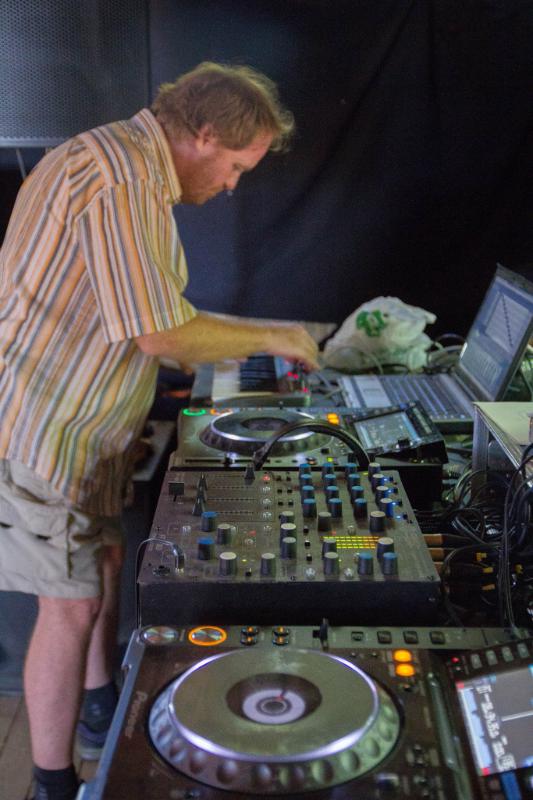
Trinodia’s Spotify Bio-Trinodia consists of one member: Daniel Axelsson
-The project was started in early May 2002
-Based in Sweden
-Trinodias music-style is Goa trance with Ambient influences and plenty of melodies
In 1992 Daniel joined the collaboration-studio SinCity in Karlskoga and began to make Trance in their more sophisticated midi-studio. Later on in 1995 he finally got his first opportunity to perform live at a local rave-party arranged by friends of Daniel.
During the years 1993-2001 Daniel was a part of the Amiga DemoScene and released many trance modules/xms. At the same time as he was making Amiga mods and xms Daniel continued his work in the SinCity studio and performed yet a few other shows. One at a Danish Demo-party called 'The Party'.
In 2000 Daniel began a new project called Voxel9 and put the trance-producing on the shelf for a while. Voxel9 is a ambient/electronic music and learned Daniel how to more make music as landscapes of sounds and not only melodies and weird sounds.
In early 2002… Daniel began experimenting with his equipment and found that it was very well possible to make Psychedelic Trance.
These days he manages his own label, Dreams Come True where he releases music under different genres with artist names as Beat Up, AstroTales, Trinodia and Voxel9
Viberate is a music analytics platform built for A&Rs, artist managers, labels, booking agents, marketers, and artists.
It helps music professionals track artist growth, analyze audience data, monitor playlist activity, compare artists, follow song performance, and identify opportunities across the music market.
Public artist pages provide a free preview of selected artist data. Paid plans provide access to deeper analytics, historical data, charts, comparisons, playlist tools, exports, alerts, reports, and additional professional features.
Yes. Public Viberate artist pages provide selected artist analytics and music data for free.
Viberate also offers a 7-day free trial of the full platform. A credit card is required to start the trial. The trial includes access to the complete product so users can test deeper artist analytics, historical views, playlist insights, comparisons, charts, exports, alerts, and reporting features before choosing a paid plan.
Viberate provides artist analytics across streaming, playlists, social media, video, radio airplay, songs, and audience markets.
Users can analyze Spotify performance, Spotify and Apple Music playlists, YouTube activity, TikTok and Instagram growth, radio spins, song performance, audience locations, demographics, rankings, and overall artist momentum.
Artist profiles also connect to music charts, similar artists, and comparison tools, helping users benchmark performance and evaluate artists in context.
Viberate updates key artist and track data daily.
For followed artists and tracks, selected data is refreshed multiple times per day. This helps teams monitor playlist changes, streaming movement, audience growth, releases, and campaign performance with more current data.
Update frequency can vary depending on the metric and data source.
Yes. Viberate lets users compare up to five artists side by side across streaming, social media, audience, and engagement metrics.
Users can compare fanbase growth, audience demographics, locations, Spotify performance, social metrics, and other artist data over selected time periods.
Artist comparison can be used for A&R scouting, benchmarking, booking decisions, campaign planning, and evaluating artists with similar audiences or market positions.