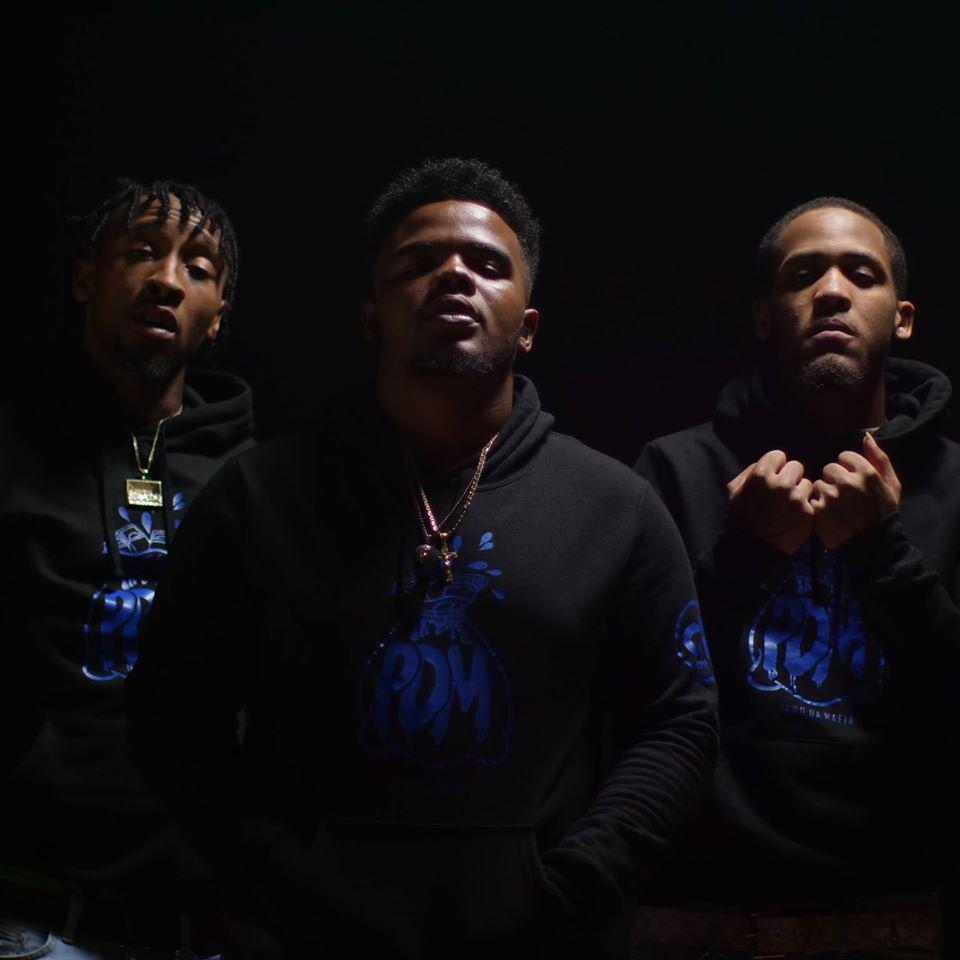
Trill Sammy

Hip Hop
Trap
 Viberate Rank: 38942
 Viberate Rank: 38942
 Monthly ListenersFollowers
 Subscribers
 Followers
 Followers
 FansTop Spotify Songs
| Track | 7-Day Streams | |
|---|---|---|
1 | 7.59K | |
2 | 2.13K | |
3 | 2.03K | |
4 | 1.35K | |
5 | 1.00K |
Top YouTube Videos| Video | 7-Day Views | |
|---|---|---|
1 | 3.87K | |
2 | 1.78K | |
3 | 1.07K | |
4 | 898 | |
5 | 782 |
Monthly ListenersFeatured in Playlists| Playlist | Followers | |
|---|---|---|
1 |  Best Playlist To Ever Exist cody | 55.10K |
2 |  TOP RAP SONGS 2019 II Essential Hip Hop Hits nuwaveselects | 45.96K |
3 |  Yassuo Yassuo | 35.16K |
4 | randomplaylister | 32.64K |
5 |  Written By benny blanco Spotify | 28.68K |
Audience| City | Monthly Listeners | |
|---|---|---|
1 | | 921 |
2 | | 812 |
3 | | 643 |
4 | | 588 |
5 | | 509 |
See full performance history, audience data, playlist activity, rankings, comparisons, and more in Viberate music analytics. Start with a free trial, then continue with a paid plan.
Trill Sammy’s Spotify BioHouston rapper Trill Sammy started out when he was just in high school, part of the generation of millennial rappers who utilized social media to spread their music. After posting his short freestyle with Born Stunna, "Netflix and Chill," in 2015, he went viral with local fans and continued to build a following online. With a sound similar to Lil Uzi Vert and Migos, the young Texan adopted an Atlanta trap sound aimed at putting the spotlight on his hometown. Sammy's first big break came in 2015 on the joint track "Just Watch" with fellow Houston rapper Dice Soho, head of the local Icey Gang crew. Sammy released "Check Out" in 2016, a video game-sampling dose of laid-back trap with Auto-Tune and a Desiigner-esque beat. His debut EP, Red Album, also arrived that year, featuring Soulja Boy on the track "Trappin'," as well as appearances by Slim Thug and Kirko Bangz. He quickly followed with the Trappin' EP that summer, which included the tracks "Uber Everywhere" and "Martin." In 2018, he… issued singles "Do Not Disturb" and "Feel Better" with Rae Sremmurd's Slim Jxmmi. ~ Neil Z. Yeung, Rovi
Viberate is a music analytics platform built for A&Rs, artist managers, labels, booking agents, marketers, and artists.
It helps music professionals track artist growth, analyze audience data, monitor playlist activity, compare artists, follow song performance, and identify opportunities across the music market.
Public artist pages provide a free preview of selected artist data. Paid plans provide access to deeper analytics, historical data, charts, comparisons, playlist tools, exports, alerts, reports, and additional professional features.
Yes. Public Viberate artist pages provide selected artist analytics and music data for free.
Viberate also offers a 7-day free trial of the full platform. A credit card is required to start the trial. The trial includes access to the complete product so users can test deeper artist analytics, historical views, playlist insights, comparisons, charts, exports, alerts, and reporting features before choosing a paid plan.
Viberate provides artist analytics across streaming, playlists, social media, video, radio airplay, songs, and audience markets.
Users can analyze Spotify performance, Spotify and Apple Music playlists, YouTube activity, TikTok and Instagram growth, radio spins, song performance, audience locations, demographics, rankings, and overall artist momentum.
Artist profiles also connect to music charts, similar artists, and comparison tools, helping users benchmark performance and evaluate artists in context.
Viberate updates key artist and track data daily.
For followed artists and tracks, selected data is refreshed multiple times per day. This helps teams monitor playlist changes, streaming movement, audience growth, releases, and campaign performance with more current data.
Update frequency can vary depending on the metric and data source.
Yes. Viberate lets users compare up to five artists side by side across streaming, social media, audience, and engagement metrics.
Users can compare fanbase growth, audience demographics, locations, Spotify performance, social metrics, and other artist data over selected time periods.
Artist comparison can be used for A&R scouting, benchmarking, booking decisions, campaign planning, and evaluating artists with similar audiences or market positions.