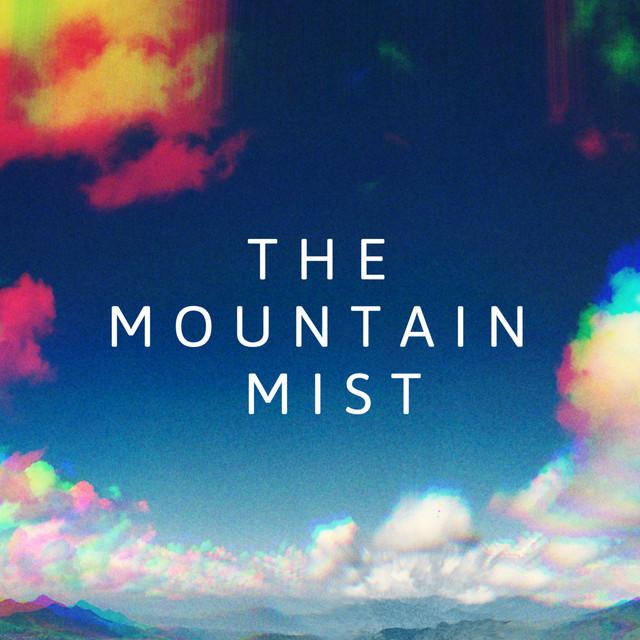
Tri Minh

Electronic
Other Electronic Music
v-pop
 Viberate Rank: 435998
 Viberate Rank: 435998
 Monthly ListenersFollowers
 Subscribers
 Followers
 Followers
 FansTop Spotify Songs
| Track | 7-Day Streams | |
|---|---|---|
1 | 1.02K | |
2 | 432 | |
3 | 356 | |
4 | 88 | |
5 | 76 |
Top YouTube VideosMonthly ListenersFeatured in Playlists| Playlist | Followers | |
|---|---|---|
1 |  Êm Đềm Spotify | 56.04K |
2 |  Mãi Mãi Trịnh Công Sơn Spotify | 18.05K |
3 |  This Is Da LAB Spotify | 9.05K |
4 |  Ambient Encounters - Relax / Study / Focus / Meditate / Sleep The Crow's Lab | 1.16K |
5 |  This Is Thanh Lam Spotify | 290 |
Audience| City | Monthly Listeners | |
|---|---|---|
1 |  | 1.22K |
2 | | 1.21K |
3 | | 195 |
4 | | 52 |
5 | | 46 |
See full performance history, audience data, playlist activity, rankings, comparisons, and more in Viberate music analytics. Start with a free trial, then continue with a paid plan.
Tri Minh’s Spotify BioTri Minh started his career as a performing artist in the early 1990s, when he co-initiated Hanoi’s first jazz band, which performed for years in various venues across Vietnam’s capital. In the late 1990s,
Tri Minh started experimenting with electronic music through collaborations with international artists performing as a solo artist and in various forms of collaborations in Vietnam and Europe. The international artists and groups include: Mouse on Mars (de), Robert Henke (de), The Core (de), D’fuse (uk), Robin Scanner(uk), Time Exile (uk), Dickson Dee (cn) and others
In the mid and late 2000s, Tri Minh started sampling his own recordings and sounds and started mixing in and performing with various constellations of traditional and later also classical Vietnamese artists.
Through his varied and extensive performances, collaborations, and compositions Tri Minh has become an experienced electronic music performer and an expert in studio works and in collaborations between artists from… different countries and cultures and musical fields.
Tri Minh has released 04 solo albums on online platform and others at bandcamp
And feature in various international compilation.
For further information please send requirement email to:
triminh.music@gmail.com or mobile phone contact: +84 904082664 or +45 257405709
Please follow my projects at https://www.instagram.com/triminh05/
Viberate is a music analytics platform built for A&Rs, artist managers, labels, booking agents, marketers, and artists.
It helps music professionals track artist growth, analyze audience data, monitor playlist activity, compare artists, follow song performance, and identify opportunities across the music market.
Public artist pages provide a free preview of selected artist data. Paid plans provide access to deeper analytics, historical data, charts, comparisons, playlist tools, exports, alerts, reports, and additional professional features.
Yes. Public Viberate artist pages provide selected artist analytics and music data for free.
Viberate also offers a 7-day free trial of the full platform. A credit card is required to start the trial. The trial includes access to the complete product so users can test deeper artist analytics, historical views, playlist insights, comparisons, charts, exports, alerts, and reporting features before choosing a paid plan.
Viberate provides artist analytics across streaming, playlists, social media, video, radio airplay, songs, and audience markets.
Users can analyze Spotify performance, Spotify and Apple Music playlists, YouTube activity, TikTok and Instagram growth, radio spins, song performance, audience locations, demographics, rankings, and overall artist momentum.
Artist profiles also connect to music charts, similar artists, and comparison tools, helping users benchmark performance and evaluate artists in context.
Viberate updates key artist and track data daily.
For followed artists and tracks, selected data is refreshed multiple times per day. This helps teams monitor playlist changes, streaming movement, audience growth, releases, and campaign performance with more current data.
Update frequency can vary depending on the metric and data source.
Yes. Viberate lets users compare up to five artists side by side across streaming, social media, audience, and engagement metrics.
Users can compare fanbase growth, audience demographics, locations, Spotify performance, social metrics, and other artist data over selected time periods.
Artist comparison can be used for A&R scouting, benchmarking, booking decisions, campaign planning, and evaluating artists with similar audiences or market positions.