Trembling Bells

European
Other European Music
Folk Rock
 Viberate Rank: 370411
 Viberate Rank: 370411
 Monthly ListenersFollowers
 Subscribers
 Followers
 Followers
 FansTop Spotify Songs
| Track | 7-Day Streams | |
|---|---|---|
1 | 106 | |
2 | 77 | |
3 | 70 | |
4 | 67 | |
5 | 55 |
Top YouTube VideosMonthly ListenersFeatured in Playlists| Playlist | Followers | |
|---|---|---|
1 | Unofficial Reverb Radio Jeff Ferruzzo | 21.82K |
2 |  Duyster (all tracks ever played) Wike | 8.15K |
3 |  REVERBERATION RADIO Giel van der Leest | 6.62K |
4 |  IGGY POP 🟢 The Confidential Show. 🟢@ bbc6music Roadrunner Music | 5.21K |
5 |  Jarvis Cocker's Sunday Service Anders Björk | 5.09K |
Audience| City | Monthly Listeners | |
|---|---|---|
1 | | 77 |
2 | | 37 |
3 | | 35 |
4 |  | 22 |
5 |  | 19 |
See full performance history, audience data, playlist activity, rankings, comparisons, and more in Viberate music analytics. Start with a free trial, then continue with a paid plan.
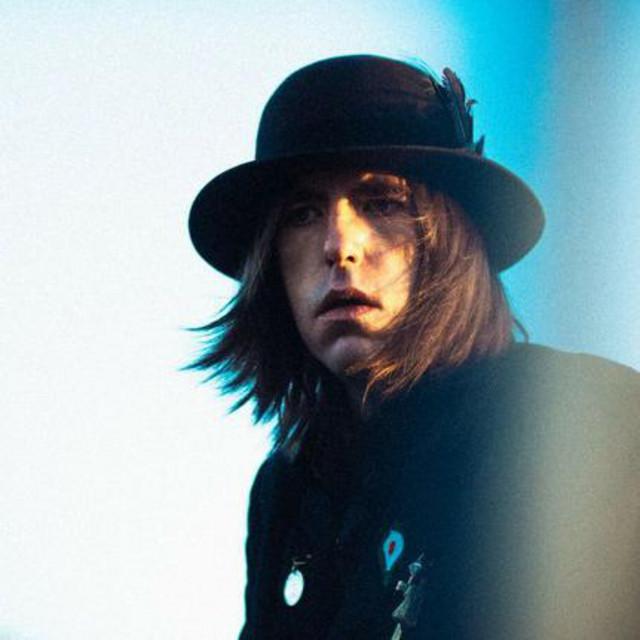
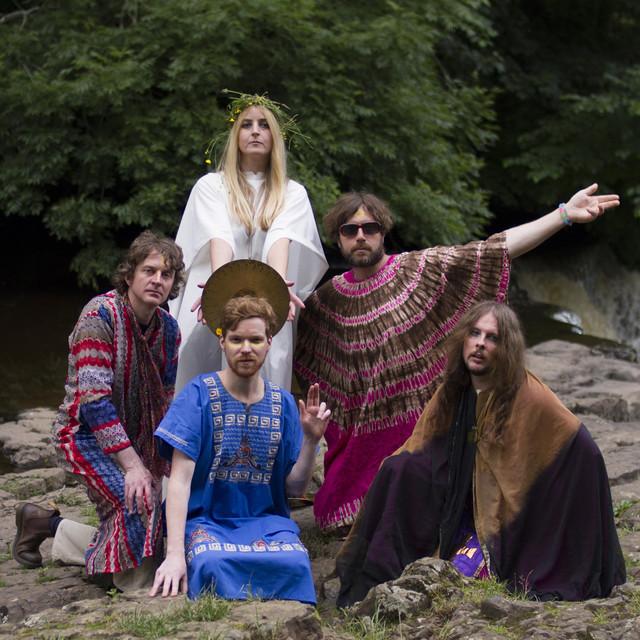
Trembling Bells’ Spotify BioGlasgow's Trembling Bells mix eclectic influences like country, classic rock, metal and Latin music into their British folk foundations just as skillfully as they collaborate with artists including Kaleidoscope, the Incredible String Band and Bonnie "Prince" Billy. Drummer Alex Neilson, an improviser who has played with Jandek and Current 93 among others, formed the band in 2008 to explore more structured, song-based music. To fill out the lineup, recruited vocalist/guitarist/keyboardist Lavinia Blackwall (who worked with Neilson in the group Directing Hand), bassist/vocalist Simon Shaw (also of Lucky Luke), and guitarist/harmonica player Ben Reynolds (who played with Neilson in Motor Ghost and is also a solo artist).This version of the group released its debut album, Carbeth, in April 2009 on Honest Jon's Records. Blackwall's clear soprano and the group’s acoustic leanings drew acclaim and comparisons to Pentangle, Fairport Convention, the Incredible String Band, and other British… folk luminaries of the '60s and '70s -- so much so that the band participated in an Incredible String Band tribute concert at London’s Barbican a couple of months after Carbeth's release. For 2010's Abandoned Love, they co-produced the album with Belle & Sebastian's Stevie Jackson, added guitarist/vocalist Mike Hastings to the fold and incorporated medieval, country, and classic rock influences into their sound. They remained prolific and stylistically restless in 2011, releasing the more psychedelic The Constant Pageant and Marble Downs, a set of duets between Blackwall and Will Oldham that arrived in April 2012. Following a 2013 side project called the Crying Lion that saw both Neilson and Blackwall collaborating with the a cappella group Muldoon's Picnic on a set of choral tunes, Trembling Bells returned with their fifth album, 2015's The Sovereign Self. Their colorful explorations of British folk and psych styles continued a year later with Wide Majestic Aire, an eight-song mini-album intended as a sort of companion piece to The Sovereign Self. October 2016 saw the release of The Bonnie Bells of Oxford, a live EP recorded on tour with Bonnie "Prince" Billy. On 2018's full-length Dungeness, Trembling Bells continued to expand their horizons by incorporating elements of stoner rock, Latin and Middle Eastern music into the proceedings. ~ Heather Phares, Rovi
Viberate is a music analytics platform built for A&Rs, artist managers, labels, booking agents, marketers, and artists.
It helps music professionals track artist growth, analyze audience data, monitor playlist activity, compare artists, follow song performance, and identify opportunities across the music market.
Public artist pages provide a free preview of selected artist data. Paid plans provide access to deeper analytics, historical data, charts, comparisons, playlist tools, exports, alerts, reports, and additional professional features.
Yes. Public Viberate artist pages provide selected artist analytics and music data for free.
Viberate also offers a 7-day free trial of the full platform. A credit card is required to start the trial. The trial includes access to the complete product so users can test deeper artist analytics, historical views, playlist insights, comparisons, charts, exports, alerts, and reporting features before choosing a paid plan.
Viberate provides artist analytics across streaming, playlists, social media, video, radio airplay, songs, and audience markets.
Users can analyze Spotify performance, Spotify and Apple Music playlists, YouTube activity, TikTok and Instagram growth, radio spins, song performance, audience locations, demographics, rankings, and overall artist momentum.
Artist profiles also connect to music charts, similar artists, and comparison tools, helping users benchmark performance and evaluate artists in context.
Viberate updates key artist and track data daily.
For followed artists and tracks, selected data is refreshed multiple times per day. This helps teams monitor playlist changes, streaming movement, audience growth, releases, and campaign performance with more current data.
Update frequency can vary depending on the metric and data source.
Yes. Viberate lets users compare up to five artists side by side across streaming, social media, audience, and engagement metrics.
Users can compare fanbase growth, audience demographics, locations, Spotify performance, social metrics, and other artist data over selected time periods.
Artist comparison can be used for A&R scouting, benchmarking, booking decisions, campaign planning, and evaluating artists with similar audiences or market positions.