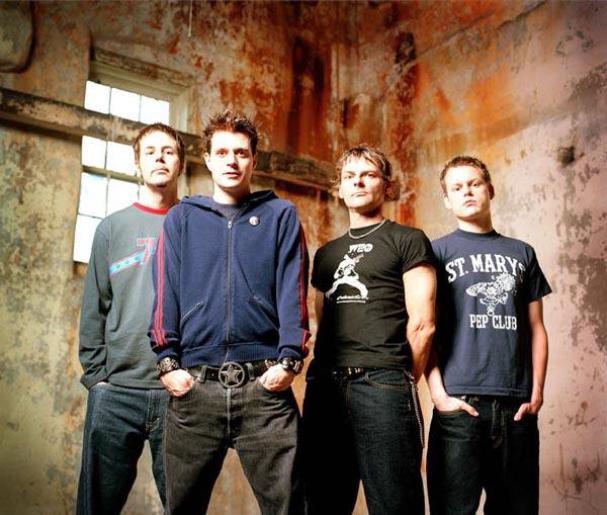
Treble Charger

Rock
Pop Rock
Pop Punk
Indie Rock
 Viberate Rank: 125797
 Viberate Rank: 125797
 Monthly ListenersFollowers
 Subscribers
 Followers
 Followers
 FansTop Spotify Songs
| Track | 7-Day Streams | |
|---|---|---|
1 | 26.35K | |
2 | 9.03K | |
3 | 5.78K | |
4 | 3.86K | |
5 | 1.73K |
Top YouTube VideosMonthly ListenersFeatured in Playlists| Playlist | Followers | |
|---|---|---|
1 |  Canadian Gold: 1990s Spotify | 84.21K |
2 |  Canadian Gold: 2000s Spotify | 56.71K |
3 | STREAMING MOTHERFUCKERS asmongold | 41.48K |
4 | This one time at band camp Matt Vanbesien | 32.32K |
5 |  90s/00s divorced dad rock Elise! | 23.95K |
Audience| City | Monthly Listeners | |
|---|---|---|
1 | | 7.87K |
2 | | 4.40K |
3 | | 3.41K |
4 | | 3.25K |
5 | | 2.89K |
See full performance history, audience data, playlist activity, rankings, comparisons, and more in Viberate music analytics. Start with a free trial, then continue with a paid plan.
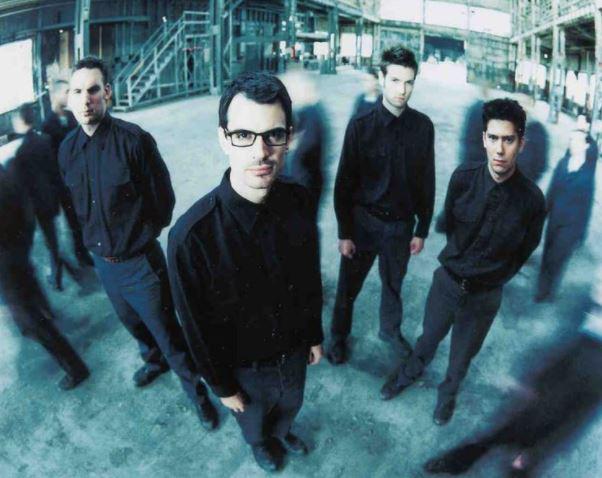
Treble Charger’s Spotify BioBegun as nc-17, this Canadian alternative pop/rock group changed its name after an American band with the same moniker threatened to sue. Greig Nori (vocals, guitar, keyboards), Bill Priddle (guitar, vocals), and Rosie Martin (bass, keyboards) met in high school in Sault St. Marie, Ontario, and paid the 5,000-dollar cost of releasing nc-17 on its own Smokin' Worm label as the band's full-length debut in 1994. After partnering with indie label Sonic Unyon and re-releasing nc-17, the album became Canada's best-selling indie record and the ballad "Red" received heavy play on college radio and Much Music (Canada's music television network). The following year, the band released the self-titled EP, which doubled as a CD-ROM zine dedicated to 30 of its favorite Canadian indie bands. The album was later released as Treble Charger in the U.S. and featured American indie bands. Treble Charger made its major-label debut with Maybe It's Me on BMG's Canadian imprint, Vik Records, in 1996. The… album experimented with a full sound that included horns, keyboards, organs, Spanish guitar, and Mellotron. Drummer Trevor MacGregor of Calgary, joined shortly after, replacing Morris Palter. RCA later released the record in the U.S., but, after sluggish sales, passed on the band's next album, Wide Awake Bored. After complications with BMG pushed the album's Canadian release to 2000, the song "American Psycho" became a hit north of the border but not, ironically, in the U.S. The song helped push Wide Awake Bored to gold in Canada. Treble Charger spent the summer of 2000 touring on Canada's Summersault with Foo Fighters, Smashing Pumpkins, and Our Lady Peace. Nori produces and manages Canadian punks Sum 41. In 2003, the band resurfaced with Detox, their most consistent material yet. ~ Ron DePasquale
Viberate is a music analytics platform built for A&Rs, artist managers, labels, booking agents, marketers, and artists.
It helps music professionals track artist growth, analyze audience data, monitor playlist activity, compare artists, follow song performance, and identify opportunities across the music market.
Public artist pages provide a free preview of selected artist data. Paid plans provide access to deeper analytics, historical data, charts, comparisons, playlist tools, exports, alerts, reports, and additional professional features.
Yes. Public Viberate artist pages provide selected artist analytics and music data for free.
Viberate also offers a 7-day free trial of the full platform. A credit card is required to start the trial. The trial includes access to the complete product so users can test deeper artist analytics, historical views, playlist insights, comparisons, charts, exports, alerts, and reporting features before choosing a paid plan.
Viberate provides artist analytics across streaming, playlists, social media, video, radio airplay, songs, and audience markets.
Users can analyze Spotify performance, Spotify and Apple Music playlists, YouTube activity, TikTok and Instagram growth, radio spins, song performance, audience locations, demographics, rankings, and overall artist momentum.
Artist profiles also connect to music charts, similar artists, and comparison tools, helping users benchmark performance and evaluate artists in context.
Viberate updates key artist and track data daily.
For followed artists and tracks, selected data is refreshed multiple times per day. This helps teams monitor playlist changes, streaming movement, audience growth, releases, and campaign performance with more current data.
Update frequency can vary depending on the metric and data source.
Yes. Viberate lets users compare up to five artists side by side across streaming, social media, audience, and engagement metrics.
Users can compare fanbase growth, audience demographics, locations, Spotify performance, social metrics, and other artist data over selected time periods.
Artist comparison can be used for A&R scouting, benchmarking, booking decisions, campaign planning, and evaluating artists with similar audiences or market positions.