Transwave

Electronic
Trance
Psy Trance
 Viberate Rank: 219164
 Viberate Rank: 219164
 Monthly ListenersFollowers
 Subscribers
 Followers
 Followers
 FansTop Spotify Songs
| Track | 7-Day Streams | |
|---|---|---|
1 | 2.25K | |
2 | 1.51K | |
3 | 501 | |
4 | 435 | |
5 | 420 |
Top YouTube VideosMonthly ListenersFeatured in Playlists| Playlist | Followers | |
|---|---|---|
1 | Trance: Psychedelic DJ COOKED | 46.48K |
2 |  trance vibes 🌊 Pulkit tomorrowland🧑🎤 | 43.55K |
3 |  Goa Trance/Psy Trance Zazie Productions | 31.29K |
4 |  Beat 100.9 exitos Lu Luna | 19.55K |
5 | BARRY’S BANGERZ Maisy Horness | 17.68K |
Audience| City | Monthly Listeners | |
|---|---|---|
1 |  | 1.09K |
2 |  | 286 |
3 |  | 269 |
4 |  | 194 |
5 |  | 165 |
See full performance history, audience data, playlist activity, rankings, comparisons, and more in Viberate music analytics. Start with a free trial, then continue with a paid plan.
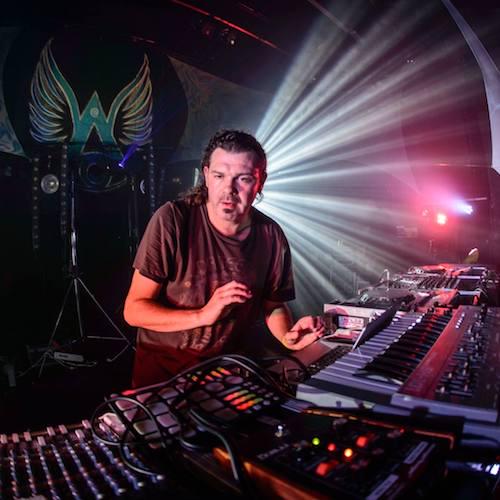
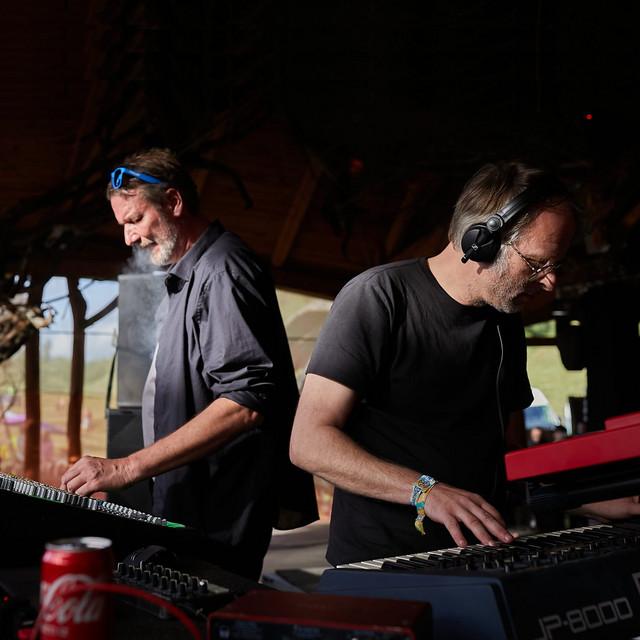
Transwave’s Spotify BioTranswave was a goa trance and psychedelic trance project formed by two renowned French producers, Christof Drouillet, also known as Absolum, and Frédéric Holyszewski, also known as Deedrah and Synthetic (FR).
Christof and Frederic met at a French rave party in Paris in June 1994. Three months later, Transwave's first release, " Datura EP", was released on Transpact, a French record label run by Loren X. In the following years, Transwave released five studio albums: "Hypnorythm" in 1995, "Helium" in 1996, "Phototropic" in 1997, "Backfire" in 2005, and "Frontfire" in 2007.
Transwave is known for its heavy use of analog studio gear, such as the Roland SH-101 and TB-303. Their distinctive sound made them a yardstick of the '90s GOA era, alongside artists like Man With No Name, Astral Projection, X-Dream, and Hallucinogen.
The duo toured extensively around the world, achieving great success in the underground trance scene and scoring an international hit with the anthem "Land of Freedom",… which was later remixed by Liquid Soul and released on Paul Oakenfold's Perfecto Fluoro imprint, gaining the support of global trance giant Armin van Buuren.
Viberate is a music analytics platform built for A&Rs, artist managers, labels, booking agents, marketers, and artists.
It helps music professionals track artist growth, analyze audience data, monitor playlist activity, compare artists, follow song performance, and identify opportunities across the music market.
Public artist pages provide a free preview of selected artist data. Paid plans provide access to deeper analytics, historical data, charts, comparisons, playlist tools, exports, alerts, reports, and additional professional features.
Yes. Public Viberate artist pages provide selected artist analytics and music data for free.
Viberate also offers a 7-day free trial of the full platform. A credit card is required to start the trial. The trial includes access to the complete product so users can test deeper artist analytics, historical views, playlist insights, comparisons, charts, exports, alerts, and reporting features before choosing a paid plan.
Viberate provides artist analytics across streaming, playlists, social media, video, radio airplay, songs, and audience markets.
Users can analyze Spotify performance, Spotify and Apple Music playlists, YouTube activity, TikTok and Instagram growth, radio spins, song performance, audience locations, demographics, rankings, and overall artist momentum.
Artist profiles also connect to music charts, similar artists, and comparison tools, helping users benchmark performance and evaluate artists in context.
Viberate updates key artist and track data daily.
For followed artists and tracks, selected data is refreshed multiple times per day. This helps teams monitor playlist changes, streaming movement, audience growth, releases, and campaign performance with more current data.
Update frequency can vary depending on the metric and data source.
Yes. Viberate lets users compare up to five artists side by side across streaming, social media, audience, and engagement metrics.
Users can compare fanbase growth, audience demographics, locations, Spotify performance, social metrics, and other artist data over selected time periods.
Artist comparison can be used for A&R scouting, benchmarking, booking decisions, campaign planning, and evaluating artists with similar audiences or market positions.