Transparent Sound

Electronic
Other Electronic Music
Breakbeat
 Viberate Rank: 307423
 Viberate Rank: 307423
 Monthly ListenersFollowers
 Subscribers
 Followers
 Followers
 FansTop Spotify Songs
| Track | 7-Day Streams | |
|---|---|---|
1 | 190 | |
2 | 171 | |
3 | 108 | |
4 | 86 | |
5 | 43 |
Top YouTube VideosMonthly ListenersFeatured in Playlists| Playlist | Followers | |
|---|---|---|
1 |  Acid House & Techno Jaime Sanford | 8.08K |
2 |  Acid Breakbeat Techno D. Blazkowicz | 8.07K |
3 | New music 2026 OOR | 7.51K |
4 |  Electro & IDM Science Cult | 6.19K |
5 |  Tresor Records Marcin Kusch | 5.42K |
Audience| City | Monthly Listeners | |
|---|---|---|
1 | | 83 |
2 |  | 76 |
3 | | 36 |
4 |  | 31 |
5 | | 30 |
See full performance history, audience data, playlist activity, rankings, comparisons, and more in Viberate music analytics. Start with a free trial, then continue with a paid plan.
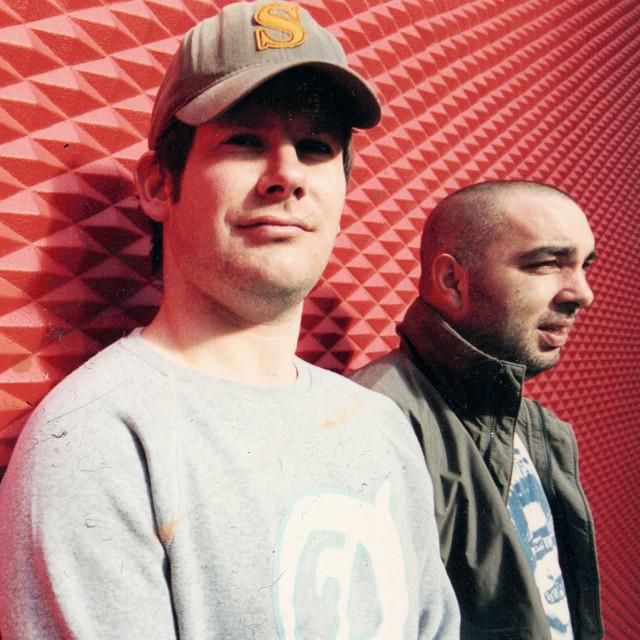
Transparent Sound’s Spotify BioTransparent Sound was originally formed in 1994 by Orson Bramley and Martin Brown, making it one of the UK's longest running electro acts. After Martin left the duo to pursue other avenues some years ago, Transparent Sound has continued with Orson at the helm. Orson grew up during the heady days of acid house’s first wave in 1987/88. Originally a fan of early electro acts and the breakin’ scene that accompanied it, he was turned on by the illicit electronic thunk and hypnotic grooves of house and techno. Not that he completely lost touch with his roots: in the early ‘90s Orson was a member of legendary UK hip hop act/breakdance crew, Severe Carnage. These days Orson’s style takes in various flavours of electronic funk.
Alongside the project he also runs Orson Records (launched in 2004) and in 2019 he introduced the world to his Empty Orchestra side project, and the re-launch of the new Transparent Sound label. “After seeing the rise of vinyl sales again over the last few years and… some of the classic early Transparent Sound releases soar in value, I felt people were ready for Electro properly now and may even be getting tired with the usual 4/4” says Orson, promising “high quality forward thinking Electro that isn’t scared to take a few risks.”
Viberate is a music analytics platform built for A&Rs, artist managers, labels, booking agents, marketers, and artists.
It helps music professionals track artist growth, analyze audience data, monitor playlist activity, compare artists, follow song performance, and identify opportunities across the music market.
Public artist pages provide a free preview of selected artist data. Paid plans provide access to deeper analytics, historical data, charts, comparisons, playlist tools, exports, alerts, reports, and additional professional features.
Yes. Public Viberate artist pages provide selected artist analytics and music data for free.
Viberate also offers a 7-day free trial of the full platform. A credit card is required to start the trial. The trial includes access to the complete product so users can test deeper artist analytics, historical views, playlist insights, comparisons, charts, exports, alerts, and reporting features before choosing a paid plan.
Viberate provides artist analytics across streaming, playlists, social media, video, radio airplay, songs, and audience markets.
Users can analyze Spotify performance, Spotify and Apple Music playlists, YouTube activity, TikTok and Instagram growth, radio spins, song performance, audience locations, demographics, rankings, and overall artist momentum.
Artist profiles also connect to music charts, similar artists, and comparison tools, helping users benchmark performance and evaluate artists in context.
Viberate updates key artist and track data daily.
For followed artists and tracks, selected data is refreshed multiple times per day. This helps teams monitor playlist changes, streaming movement, audience growth, releases, and campaign performance with more current data.
Update frequency can vary depending on the metric and data source.
Yes. Viberate lets users compare up to five artists side by side across streaming, social media, audience, and engagement metrics.
Users can compare fanbase growth, audience demographics, locations, Spotify performance, social metrics, and other artist data over selected time periods.
Artist comparison can be used for A&R scouting, benchmarking, booking decisions, campaign planning, and evaluating artists with similar audiences or market positions.