Tranki Punki

Punk
Punk Rock
Indie Rock
 Viberate Rank: 257541
 Viberate Rank: 257541
 Monthly ListenersFollowers
 Subscribers
 Followers
 Followers
 FansTop Spotify Songs
| Track | 7-Day Streams | |
|---|---|---|
1 | 86 | |
2 | 69 | |
3 | 29 | |
4 | 23 | |
5 | 22 |
Top YouTube VideosMonthly ListenersFeatured in Playlists| Playlist | Followers | |
|---|---|---|
1 |  Rockeras Spotify | 44.33K |
2 |  GOZA RECORDS Goza | 2.63K |
3 | Las Pibas Al Frente BAILAN Barbi Recanati | 2.31K |
4 | Queer Punk Folk/Rock ErisOrPerish | 2.00K |
5 |  Las Pibas al Frente Eléctricas Barbi Recanati | 1.84K |
Audience| City | Monthly Listeners | |
|---|---|---|
1 | | 60 |
2 | | 41 |
3 |  | 25 |
4 |  | 14 |
5 |  | 12 |
See full performance history, audience data, playlist activity, rankings, comparisons, and more in Viberate music analytics. Start with a free trial, then continue with a paid plan.
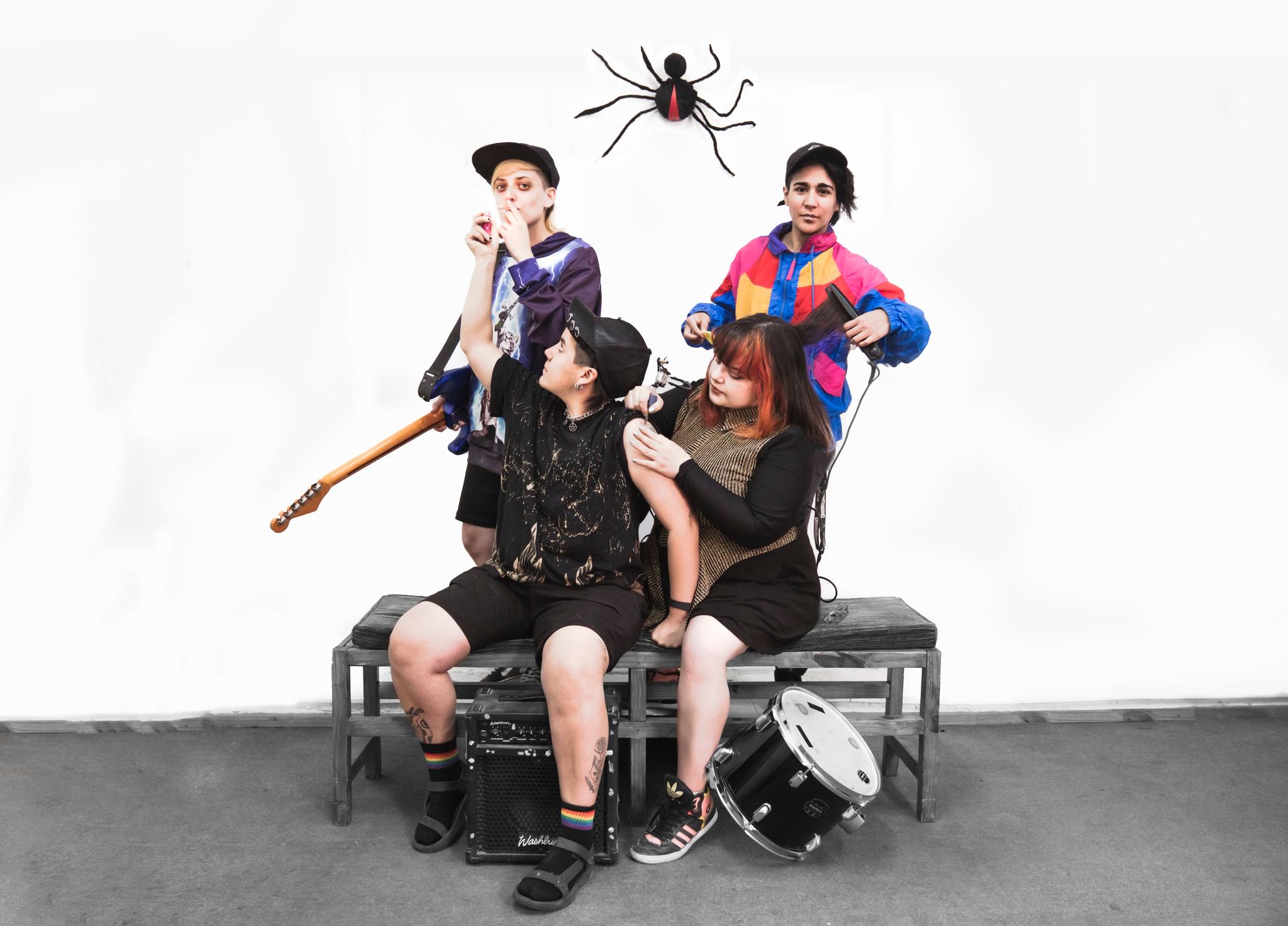
Tranki Punki’s Spotify BioTranki Punki es una banda de gypsy punk nacida en 2013 en Córdoba, Argentina. Conformada por seis pibas y una vibrante combinación de distorsión y fiesta, se ha convertido en una de las propuestas más originales y convocantes de los escenarios locales y los festivales vinculados a las problemáticas sociales actuales y la agenda feminista.
En sus seis años de trayectoria, su ecléctica impronta musical le ha permitido compartir escenario con bandas tan disímiles como Pussy Riot (Rusia), Las Manos de Filippi, Kumbia Queers, Gustavo Santaolalla, Árbol, Todos Tus Muertos, Anarkia Tropical (Chile), Barbi Recanati, Lxs Rusxs Hijxs de Puta, Sara Hebe, Las Ex, Miss Bolivia, Basofias y Sudor Marika, entre muchas otras.
Su música fusiona el gypsy punk con otros géneros como reggae, dub, ska y hardcore, por lo que sus presentaciones en vivo son poderosas y efectivas para el pogo y el baile descontracturado.
Después de editar en 2015 su primer material “No me digas que no pasa nada”, con… presentaciones en Chile, Brasil y Uruguay, Tranki Punki se prepara para el lanzamiento de su segundo disco titulado “Marea Negra” de la mano de Goza Records. Este disco representa una nueva etapa de la banda, definida por la madurez de su identidad musical y la creación de nuevos escenarios sonoros, más amplios con relación a su antecesor.
Viberate is a music analytics platform built for A&Rs, artist managers, labels, booking agents, marketers, and artists.
It helps music professionals track artist growth, analyze audience data, monitor playlist activity, compare artists, follow song performance, and identify opportunities across the music market.
Public artist pages provide a free preview of selected artist data. Paid plans provide access to deeper analytics, historical data, charts, comparisons, playlist tools, exports, alerts, reports, and additional professional features.
Yes. Public Viberate artist pages provide selected artist analytics and music data for free.
Viberate also offers a 7-day free trial of the full platform. A credit card is required to start the trial. The trial includes access to the complete product so users can test deeper artist analytics, historical views, playlist insights, comparisons, charts, exports, alerts, and reporting features before choosing a paid plan.
Viberate provides artist analytics across streaming, playlists, social media, video, radio airplay, songs, and audience markets.
Users can analyze Spotify performance, Spotify and Apple Music playlists, YouTube activity, TikTok and Instagram growth, radio spins, song performance, audience locations, demographics, rankings, and overall artist momentum.
Artist profiles also connect to music charts, similar artists, and comparison tools, helping users benchmark performance and evaluate artists in context.
Viberate updates key artist and track data daily.
For followed artists and tracks, selected data is refreshed multiple times per day. This helps teams monitor playlist changes, streaming movement, audience growth, releases, and campaign performance with more current data.
Update frequency can vary depending on the metric and data source.
Yes. Viberate lets users compare up to five artists side by side across streaming, social media, audience, and engagement metrics.
Users can compare fanbase growth, audience demographics, locations, Spotify performance, social metrics, and other artist data over selected time periods.
Artist comparison can be used for A&R scouting, benchmarking, booking decisions, campaign planning, and evaluating artists with similar audiences or market positions.