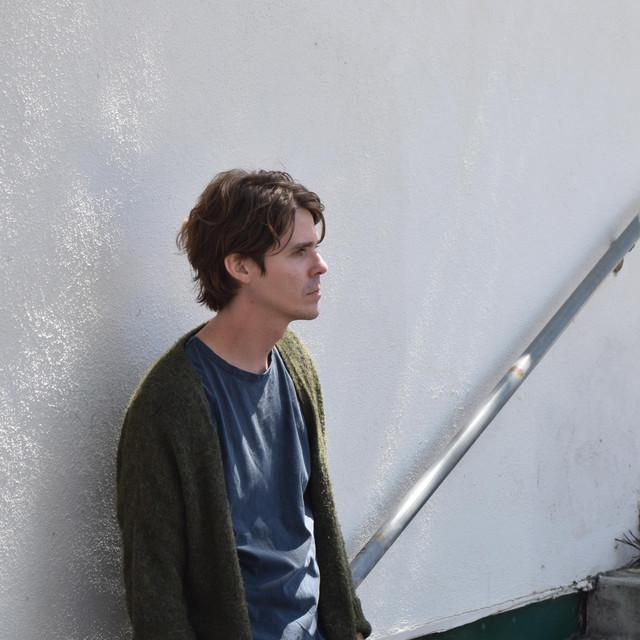
Tracy Bryant

Rock
Indie Rock
Garage Rock
 Viberate Rank: 159604
 Viberate Rank: 159604
 Monthly ListenersFollowers
 Subscribers
 Followers
 Followers
 FansTop Spotify Songs
| Track | 7-Day Streams | |
|---|---|---|
1 | 39.53K | |
2 | 14.54K | |
3 | 10.57K | |
4 | 10.25K | |
5 | 6.06K |
Top YouTube VideosMonthly ListenersFeatured in Playlists| Playlist | Followers | |
|---|---|---|
1 | space rock & psychedelia Edson Alejandro Adame | 8.05K |
2 | Beach Goth kylehauk | 7.46K |
3 | Garage Rock Joe | 7.09K |
4 |  REVERBERATION RADIO Giel van der Leest | 6.62K |
5 |  obscure gems sheyla saric | 6.40K |
Audience| City | Monthly Listeners | |
|---|---|---|
1 |  | 2.04K |
2 |  | 2.03K |
3 | | 1.92K |
4 | | 1.48K |
5 | | 1.38K |
See full performance history, audience data, playlist activity, rankings, comparisons, and more in Viberate music analytics. Start with a free trial, then continue with a paid plan.
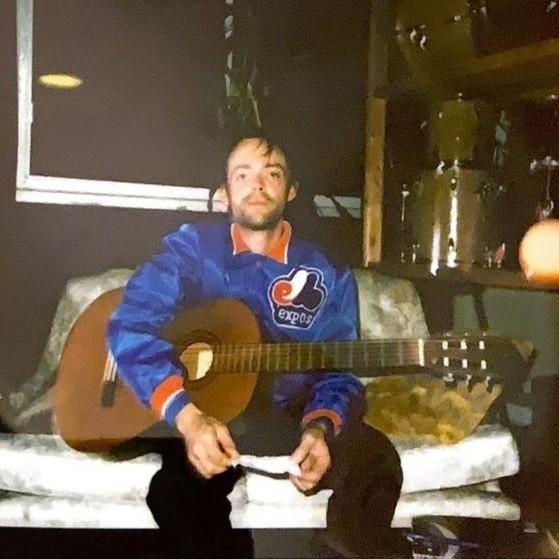
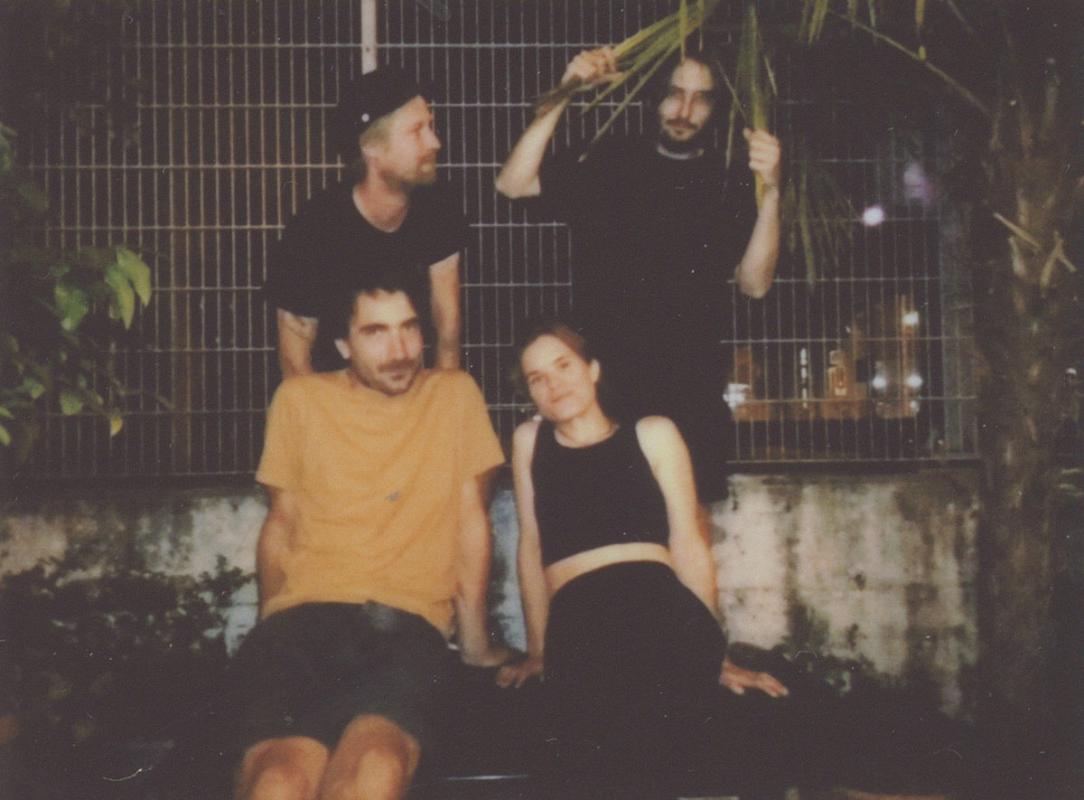
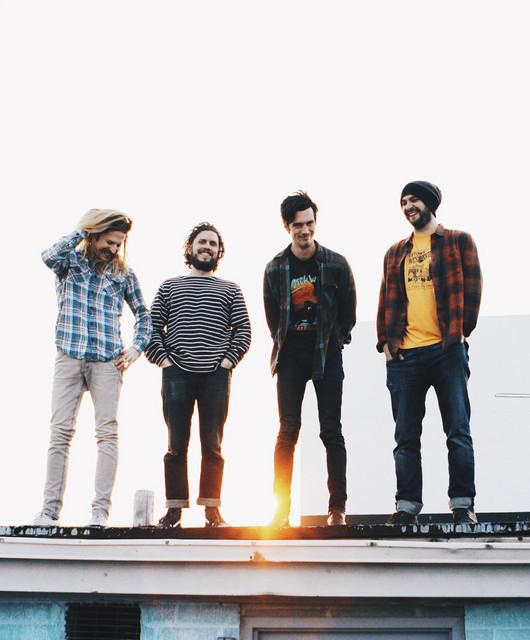
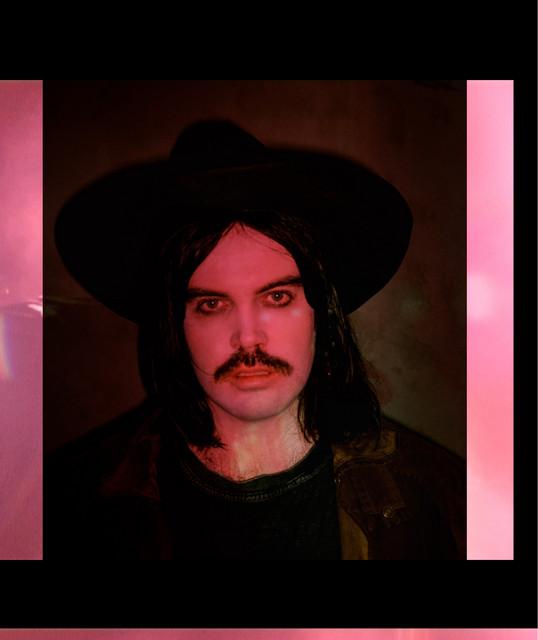
Tracy Bryant’s Spotify BioLos Angeles-based post-punk musician and tunesmith Tracy Bryant has made a name for himself with a style that's at once adventurous and melodic, writing songs that boast pop hooks but explore musical nooks and crannies that give his work a contemporary psychedelic subtext. Bryant's great aunt and uncle once sang backup for Buddy Holly, and young Tracy was raised on a diet of '50s and '60s rock; his first rock concert, which he attended at the age of ten, was headlined by Chuck Berry, and ? & the Mysterians, the Kinks, and the Rolling Stones were a frequent presence on the family's stereo. Bryant started writing and recording his own tunes on a makeshift recording rig when he was 16, and first gained an audience as leader of the group Corners, which began as a solo bedroom recording project in 2011, but eventually grew into a full band with the addition of Rick Mabery, Robert Cifuentes, and Jeffertitti. Corners regularly played out and toured, as well as releasing two full-length albums… (2012's Beyond Way and 2014's Maxed Out on Distractions) along with a handful of singles and EPs. Bryant made his solo debut in 2014 with the release of 2 in 1, a split-cassette release featuring one side by Bryant, and the other by Billy Changer (aka Robert Cifuentes). In 2015, Bryant began blocking out plans for a new solo project, and assembled a band featuring guitarist JooJoo Ashworth and bassist Jeremy Katz (both members of the Froth), as well as drummer Cameron Gartung of Mystic Braves. Bryant and his collaborators headed out to Tucson, Arizona, where they spent a week recording new material with Matt Rendon of the Resonars serving as producer. The finished album, Subterranean, was released by Burger Records in February 2016. Shortly after the album dropped, Bryant traveled to Germany to record his second solo album with producer Leonard Kaage. Originally intended to be a low-key acoustic effort, the project became more ambitious as Bryant and Kaage went along, and A Place for Nothing and Everything in Its Place evolved into an electric rock album released by Burger Records in October 2017. ~ Mark Deming, Rovi
Viberate is a music analytics platform built for A&Rs, artist managers, labels, booking agents, marketers, and artists.
It helps music professionals track artist growth, analyze audience data, monitor playlist activity, compare artists, follow song performance, and identify opportunities across the music market.
Public artist pages provide a free preview of selected artist data. Paid plans provide access to deeper analytics, historical data, charts, comparisons, playlist tools, exports, alerts, reports, and additional professional features.
Yes. Public Viberate artist pages provide selected artist analytics and music data for free.
Viberate also offers a 7-day free trial of the full platform. A credit card is required to start the trial. The trial includes access to the complete product so users can test deeper artist analytics, historical views, playlist insights, comparisons, charts, exports, alerts, and reporting features before choosing a paid plan.
Viberate provides artist analytics across streaming, playlists, social media, video, radio airplay, songs, and audience markets.
Users can analyze Spotify performance, Spotify and Apple Music playlists, YouTube activity, TikTok and Instagram growth, radio spins, song performance, audience locations, demographics, rankings, and overall artist momentum.
Artist profiles also connect to music charts, similar artists, and comparison tools, helping users benchmark performance and evaluate artists in context.
Viberate updates key artist and track data daily.
For followed artists and tracks, selected data is refreshed multiple times per day. This helps teams monitor playlist changes, streaming movement, audience growth, releases, and campaign performance with more current data.
Update frequency can vary depending on the metric and data source.
Yes. Viberate lets users compare up to five artists side by side across streaming, social media, audience, and engagement metrics.
Users can compare fanbase growth, audience demographics, locations, Spotify performance, social metrics, and other artist data over selected time periods.
Artist comparison can be used for A&R scouting, benchmarking, booking decisions, campaign planning, and evaluating artists with similar audiences or market positions.