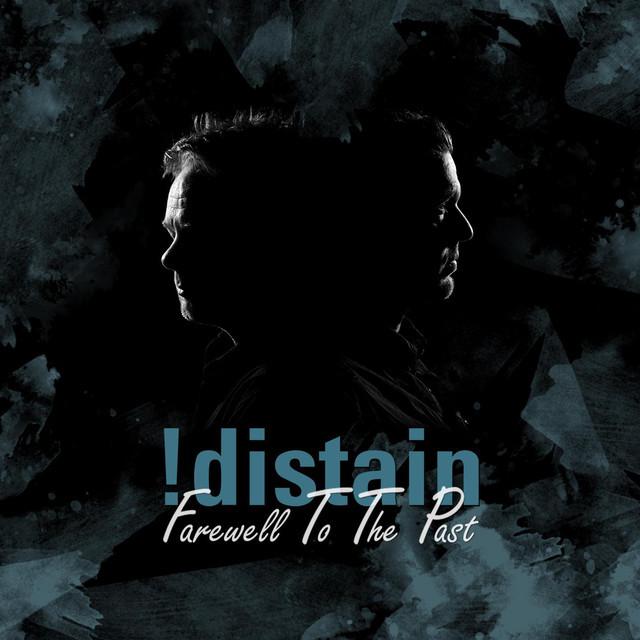
T.O.Y.

Electronic
Dance
Other Electronic Music
 Viberate Rank: 183999
 Viberate Rank: 183999
 Monthly ListenersFollowers
 Subscribers
 Followers
 Followers
 FansTop Spotify Songs
| Track | 7-Day Streams | |
|---|---|---|
1 | 1.60K | |
2 | 767 | |
3 | 574 | |
4 | 440 | |
5 | 347 |
Top YouTube VideosMonthly ListenersFeatured in Playlists| Playlist | Followers | |
|---|---|---|
1 |  Modern Synthpop Color Theory | 32.55K |
2 |  Darkwave NOW! artoffact | 18.41K |
3 | EBM, Dark-Electro & Futurepop kruugz | 8.03K |
4 |  Gothy Dark Electro Dance Club Sin Fox | 6.20K |
5 | EBM | Industrial | Future Pop | Electro | Dark Electro | Synthie and more Anja Gerber | 5.55K |
Audience| City | Monthly Listeners | |
|---|---|---|
1 | | 417 |
2 |  | 358 |
3 | | 276 |
4 | | 208 |
5 | | 205 |
See full performance history, audience data, playlist activity, rankings, comparisons, and more in Viberate music analytics. Start with a free trial, then continue with a paid plan.
T.O.Y.’s Spotify BioT.O.Y. is a German synthpop and futurepop band founded in 2001 by Volker Lutz.
Since its foundation, the band has been characterised by a unique combination of catchy melodies, melancholic lyrics
and modern electronic arrangements.
A particular highlight in the band's history is the collaboration with Marian Gold, the singer of the legendary synthpop
band Alphaville. Together they've written the song ‘Turn On!’, which combines Marian Gold's characteristic voice with T.O.Y.'s atmospheric sound.
Another inspiring collaboration was created with FAITHLESS drummer Andy Treacey on the joint track ‘Silent Soldiers’.
These collaborations are an outstanding example of T.O.Y.'s ability to work with iconic artists from the electronic music scene and open up new sonic dimensions.
With releases such as ‘Space Radio’ (2001), ‘White Lights’ (2003) and the comeback album ‘Pain is Love’ (2019), T.O.Y. has established itself as a permanent fixture in the alternative electronic music scene. The best-known songs… include ‘For Gold’ and ‘The Darkness & The Light’, which impress with their emotional content as well as their danceability.
T.O.Y.’s upcoming album ‘The Prophet’, out December 5, 2025, is a heartfelt tribute to the electronic spirit of the 80s.
Built with iconic instruments like the Roland Juno 60, LinnDrum, and Prophet 5 synthesiser, it delivers an authentic retro synthpop sound that transports listeners back in time.
Viberate is a music analytics platform built for A&Rs, artist managers, labels, booking agents, marketers, and artists.
It helps music professionals track artist growth, analyze audience data, monitor playlist activity, compare artists, follow song performance, and identify opportunities across the music market.
Public artist pages provide a free preview of selected artist data. Paid plans provide access to deeper analytics, historical data, charts, comparisons, playlist tools, exports, alerts, reports, and additional professional features.
Yes. Public Viberate artist pages provide selected artist analytics and music data for free.
Viberate also offers a 7-day free trial of the full platform. A credit card is required to start the trial. The trial includes access to the complete product so users can test deeper artist analytics, historical views, playlist insights, comparisons, charts, exports, alerts, and reporting features before choosing a paid plan.
Viberate provides artist analytics across streaming, playlists, social media, video, radio airplay, songs, and audience markets.
Users can analyze Spotify performance, Spotify and Apple Music playlists, YouTube activity, TikTok and Instagram growth, radio spins, song performance, audience locations, demographics, rankings, and overall artist momentum.
Artist profiles also connect to music charts, similar artists, and comparison tools, helping users benchmark performance and evaluate artists in context.
Viberate updates key artist and track data daily.
For followed artists and tracks, selected data is refreshed multiple times per day. This helps teams monitor playlist changes, streaming movement, audience growth, releases, and campaign performance with more current data.
Update frequency can vary depending on the metric and data source.
Yes. Viberate lets users compare up to five artists side by side across streaming, social media, audience, and engagement metrics.
Users can compare fanbase growth, audience demographics, locations, Spotify performance, social metrics, and other artist data over selected time periods.
Artist comparison can be used for A&R scouting, benchmarking, booking decisions, campaign planning, and evaluating artists with similar audiences or market positions.