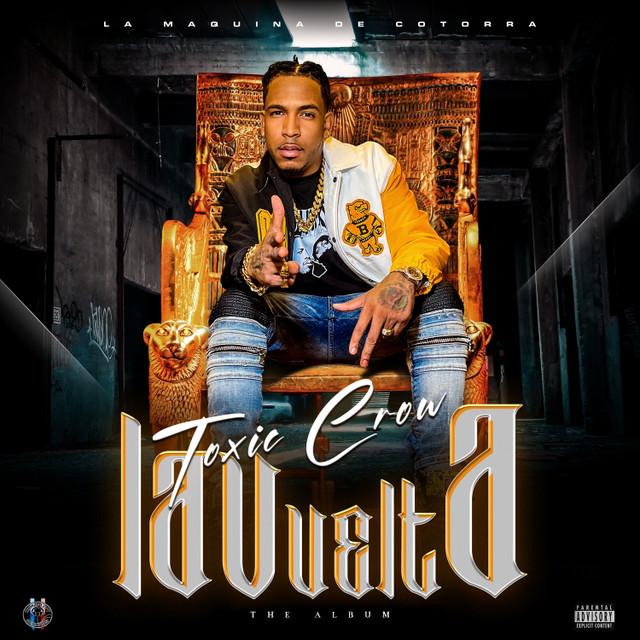
Toxic Crow

Hip Hop
Contemporary Hip Hop
Reggaeton
 Viberate Rank: 10478
 Viberate Rank: 10478
 Monthly ListenersFollowers
 Subscribers
 Followers
 Followers
 FansTop Spotify Songs
| Track | 7-Day Streams | |
|---|---|---|
1 | 15.43K | |
2 | 8.38K | |
3 | 4.95K | |
4 | 4.95K | |
5 | 4.71K |
Top YouTube Videos| Video | 7-Day Views | |
|---|---|---|
1 | 21.87K | |
2 | 14.18K | |
3 | 8.24K | |
4 | 5.59K | |
5 | 3.16K |
Monthly ListenersFeatured in Playlists| Playlist | Followers | |
|---|---|---|
1 | Electro latino 2008-2015 Sergio | 39.05K |
2 |  dancehall & afro beats 2025 🍑 aliyahv-de | 25.10K |
3 |  Perreoterapia! Ivan Diaz Oficial | 18.77K |
4 |  Playero & Reguetón Clásico Jeremy Acosta | 12.77K |
5 | Reggaeton Latina 😍 Ana G | 11.97K |
Audience| City | Monthly Listeners | |
|---|---|---|
1 | | 7.92K |
2 |  | 6.11K |
3 | | 3.34K |
4 | | 2.37K |
5 | | 2.10K |
See full performance history, audience data, playlist activity, rankings, comparisons, and more in Viberate music analytics. Start with a free trial, then continue with a paid plan.
Toxic Crow’s Spotify BioBIOGRAFÍA DE TOXIC CROW
Formación de Peso Completo
En el año 2000, después de disolver el grupo anterior, Toxic Crow y otros MCs forman otro grupo llamado Peso Completo, integrado por tres MCs del anterior grupo y uno nuevo conocido como Danny Punto Rojo. Buscan crear números con contenido social y Underground dando a conocer la cruda realidad de los barrios dominicanos.
Publican su primer mixtape llamado "En mi barrio" en el recién creado sello el sello Complot Records, producido por Toxic Crow, Punto Rojo y Juan Francisco Terrero, con invitados como el grupo Charles Family y Lápiz Conciente. Con el álbum Sin Rivales se dan a conocer en su país, con canciones como Capea el Dough y Atento a mí entre otras.
Rivalidad con Lápiz Conciente
En año 2006 se forma la compañía Estilo Kallejero integrada por Toxic Crow, Hain López Peña, Punto Rojo y Cromo-X, productor oficial de Toxic Crow. Más tarde surge una división entre Toxic Crow y Lápiz Conciente, dando comienzo a una intensa guerra entre… ambos MCs, produciéndose una larga lista de temas dedicados de uno para el otro. Por un breve tiempo hicieron las paces, pero se volvieron a dividir por un problema con el video Atento a mi All Stars, por esto Lápiz Conciente tomo la iniciativa con el tema La llamada y inició una nueva guerra. Toxic Crow le respondió con La matanza, Lápiz le respondió con Tóxico retirate y varios meses después Toxic Crow le contestó con La bomba atómica, tema que también está dedicado a otros intérpretes.
Viberate is a music analytics platform built for A&Rs, artist managers, labels, booking agents, marketers, and artists.
It helps music professionals track artist growth, analyze audience data, monitor playlist activity, compare artists, follow song performance, and identify opportunities across the music market.
Public artist pages provide a free preview of selected artist data. Paid plans provide access to deeper analytics, historical data, charts, comparisons, playlist tools, exports, alerts, reports, and additional professional features.
Yes. Public Viberate artist pages provide selected artist analytics and music data for free.
Viberate also offers a 7-day free trial of the full platform. A credit card is required to start the trial. The trial includes access to the complete product so users can test deeper artist analytics, historical views, playlist insights, comparisons, charts, exports, alerts, and reporting features before choosing a paid plan.
Viberate provides artist analytics across streaming, playlists, social media, video, radio airplay, songs, and audience markets.
Users can analyze Spotify performance, Spotify and Apple Music playlists, YouTube activity, TikTok and Instagram growth, radio spins, song performance, audience locations, demographics, rankings, and overall artist momentum.
Artist profiles also connect to music charts, similar artists, and comparison tools, helping users benchmark performance and evaluate artists in context.
Viberate updates key artist and track data daily.
For followed artists and tracks, selected data is refreshed multiple times per day. This helps teams monitor playlist changes, streaming movement, audience growth, releases, and campaign performance with more current data.
Update frequency can vary depending on the metric and data source.
Yes. Viberate lets users compare up to five artists side by side across streaming, social media, audience, and engagement metrics.
Users can compare fanbase growth, audience demographics, locations, Spotify performance, social metrics, and other artist data over selected time periods.
Artist comparison can be used for A&R scouting, benchmarking, booking decisions, campaign planning, and evaluating artists with similar audiences or market positions.