Totenwald

Punk
Punk Rock
Death Rock
Alternative Rock
 Viberate Rank: 340038
 Viberate Rank: 340038
 Monthly ListenersFollowers
 Subscribers
 Followers
 Followers
 FansTop Spotify Songs
| Track | 7-Day Streams | |
|---|---|---|
1 | 86 | |
2 | 76 | |
3 | 58 | |
4 | 38 | |
5 | 33 |
Top YouTube VideosMonthly ListenersFeatured in Playlists| Playlist | Followers | |
|---|---|---|
1 |  deathrock 🧟♀️ majajajowka | 11.18K |
2 |  underrated goth+ obscure goth floweredcorpse | 8.10K |
3 | Tom Raven | 2.46K |
4 |  Black Friday's Party Playlist Frøyja MacLeod | 1.29K |
5 |  Modern goth and darkwave Faeryn_morningstar | 1.24K |
Audience| City | Monthly Listeners | |
|---|---|---|
1 | | 36 |
2 |  | 24 |
3 | | 15 |
4 |  | 13 |
5 | | 13 |
See full performance history, audience data, playlist activity, rankings, comparisons, and more in Viberate music analytics. Start with a free trial, then continue with a paid plan.
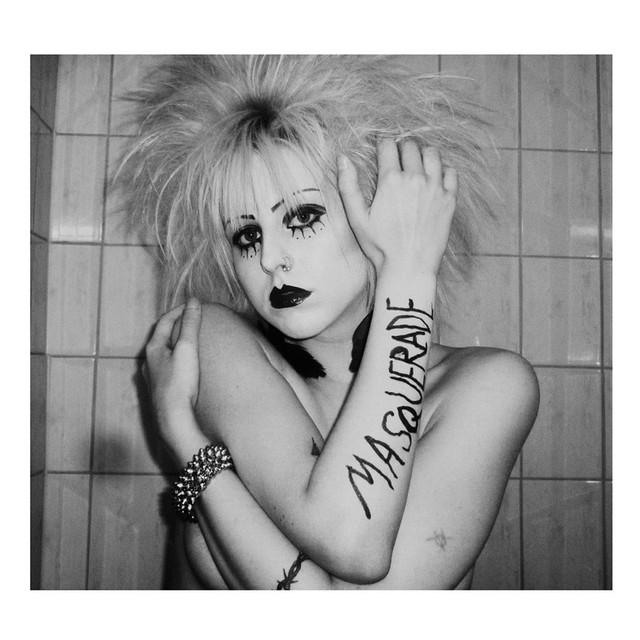
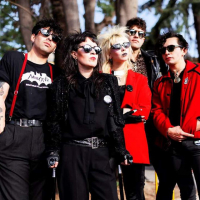
Totenwald’s Spotify BioAmongst the smoke-filled basements of the Berlin underground lurks the dark punk quartet Totenwald. Created in 2014, Totenwald exists as an anomaly in their scene; more inspired by the early 80s roots of Berlin’s anarchist punk and Neue Deutsche Welle scene rather than more typical punk and hardcore tropes, the band incorporates sax and the cold dynamics of a drum computer as the backbeat for their guitar-driven sound.
Initially the group comprised of Trish Tank, Sergej Pride, and Janis K. would coin the phrase “Immigrant Punk,” as each member hailed from various countries. In 2016 they released the Wrong Place, Wrong Time 12” EP, and began to make waves with their energetic live shows. After bringing in saxophonist Ruby Mai in 2016, they solidified their signature style as eclectic as the band members themselves: a hurricane of new wave glitz, chorus-drenched melodies, and piercing saxophone solos, all under the sway and allure of Trish’s frenetic, echoing tales of resistance to an… impending dystopian future.
February '18 saw the release of their debut full-length album Dirty Squats & Disco Lights, the first recording featuring their full lineup. This preceded the departure of guitarist Janis K., and subsequent addition of Fixed Lens guitarist Robert Hanna, indicating a shift to a darker, rawer sound and direction. In 2019 they recorded and self-released the 4-song Forward to the Past EP on cassette in support of their U.S. West Coast tour.
Viberate is a music analytics platform built for A&Rs, artist managers, labels, booking agents, marketers, and artists.
It helps music professionals track artist growth, analyze audience data, monitor playlist activity, compare artists, follow song performance, and identify opportunities across the music market.
Public artist pages provide a free preview of selected artist data. Paid plans provide access to deeper analytics, historical data, charts, comparisons, playlist tools, exports, alerts, reports, and additional professional features.
Yes. Public Viberate artist pages provide selected artist analytics and music data for free.
Viberate also offers a 7-day free trial of the full platform. A credit card is required to start the trial. The trial includes access to the complete product so users can test deeper artist analytics, historical views, playlist insights, comparisons, charts, exports, alerts, and reporting features before choosing a paid plan.
Viberate provides artist analytics across streaming, playlists, social media, video, radio airplay, songs, and audience markets.
Users can analyze Spotify performance, Spotify and Apple Music playlists, YouTube activity, TikTok and Instagram growth, radio spins, song performance, audience locations, demographics, rankings, and overall artist momentum.
Artist profiles also connect to music charts, similar artists, and comparison tools, helping users benchmark performance and evaluate artists in context.
Viberate updates key artist and track data daily.
For followed artists and tracks, selected data is refreshed multiple times per day. This helps teams monitor playlist changes, streaming movement, audience growth, releases, and campaign performance with more current data.
Update frequency can vary depending on the metric and data source.
Yes. Viberate lets users compare up to five artists side by side across streaming, social media, audience, and engagement metrics.
Users can compare fanbase growth, audience demographics, locations, Spotify performance, social metrics, and other artist data over selected time periods.
Artist comparison can be used for A&R scouting, benchmarking, booking decisions, campaign planning, and evaluating artists with similar audiences or market positions.